
Between Two Oceans: A Journey Through Panama City and San Blas
Experience the contrasts of Panama: from the engineering marvel of the Canal and the colonial streets of Casco Viejo to the pristine silence of the Guna Yala islands.
The heat here has weight. It presses down on the pavement of the Cinta Costera, shimmering in the midday sun and wrapping around you like a wet towel. To my left, the Pacific Ocean laps quietly against the sea wall; to my right, a wall of glass and steel scrapes the sky. They call this the "Dubai of the Americas," and standing here, dwarfed by the gleaming towers of the banking district, the nickname makes sense. But the air smells different here—heavy with salt, diesel, and the faint, sweet scent of tropical decay that reminds you the jungle is never far away.
Cyclists weave past me, and families gather near the statue of Vasco Núñez de Balboa. It feels like a city rushing toward the future, yet I am here to find what lies beneath the chrome surface. I pull out my phone to hail an Uber—the yellow taxis are a negotiation sport I’m too tired to play today—and watch the cars blur past. The app works seamlessly, a digital comfort in a chaotic sprawl. I’m staying in Marbella, a central knot in this urban layout, where the comforts of a modern apartment offer a refuge from the humidity. The Wi-Fi is fast, the coffee is strong, and for a moment, the chaos outside feels manageable.
There is a low hum that vibrates through the concrete at the Miraflores Locks, a sound felt more than heard. It is the sound of millions of gallons of water obeying the command of engineering. I stand on the observation deck of the Panama Canal, watching a massive container ship rise inch by inch. It feels impossible, this lifting of a leviathan.
The narrator in the visitor center film mentioned that before this trench was cut, ships courted death around Cape Horn. Now, they glide through the rainforest. The sun beats down on the metal hull of the ship below us, and the electric "mule" locomotives guide it with taut cables. It takes eight to ten hours to cross the continent here. Watching the water churn, I realize this isn't just a channel; it's a wound in the earth that healed into a scar of commerce. I paid the entry fee at the gate—around $17 for non-residents—which felt steep until this exact moment, watching the Atlantic reach out to touch the Pacific.
The atmosphere shifts entirely when I cross into Casco Viejo. The skyscrapers disappear, replaced by colonial facades painted in terra cotta, mustard, and white. Some are immaculately restored, housing boutique hotels and expensive coffee shops; others are shells of their former selves, vines reclaiming the brickwork. It is a neighborhood of ghosts and renewal.
I wander into a small shop where rows of pale, woven hats line the walls. The air inside is cool and smells of dry straw.
"You are looking for a souvenir?" the man behind the counter asks. He is older, his hands adjusting the brim of a fedora with practiced care.
"A Panama hat," I say, reaching for one.
He smiles, a knowing expression that wrinkles the corners of his eyes. "We call them that, yes. But you know they are not from here?"
"Ecuador?" I venture.
"Correct," he nods, pleased. "But the workers on the canal... they wore them to survive the sun. The name stuck." He places a hat on my head, checking the fit. "This one is synthetic. You can tell by the weave. But this one," he points to a finer weave, "this is natural fiber. You can roll it up and put it in your pocket, and it remembers its shape."
I buy the real one. It feels weightless. Outside, the Plaza de Francia pays silent tribute to the thousands who died of yellow fever building the canal. The contrast is jarring—the beauty of the bougainvillea spilling over the seawall against the tragic history of the soil it grows in. I stop for a drink at a rooftop bar as the sun sets, watching the lights of the modern city flicker on across the bay. The contrast between the old stones beneath my feet and the neon skyline ahead is the defining image of this place.
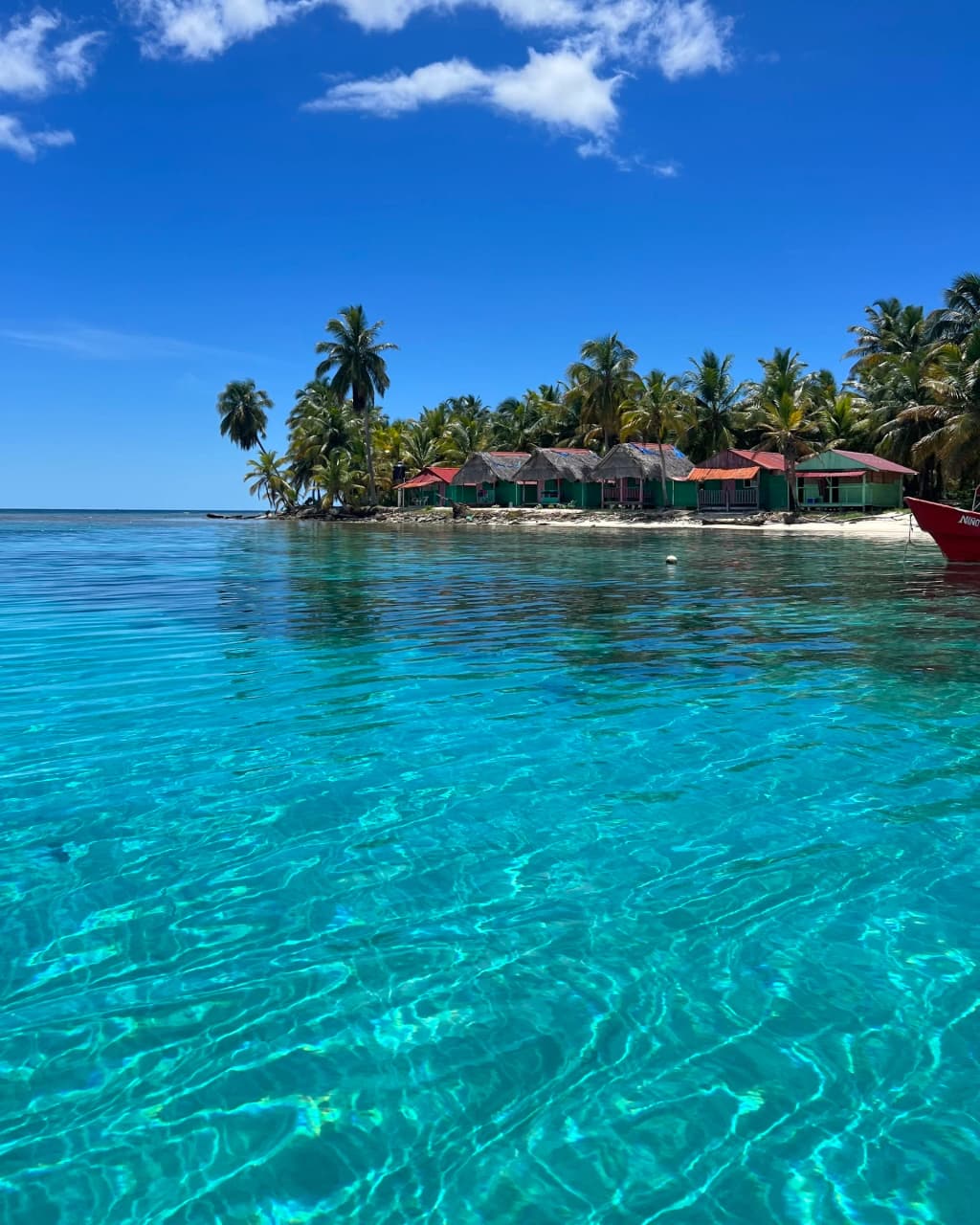
To understand what this land looked like before the concrete poured in, you have to leave the city. The journey to San Blas is an adventure in itself—a lurching 4x4 ride through the jungle hills followed by a boat ride that slaps hard against the waves. But when the engine cuts, the silence is absolute.
We are in Guna Yala territory now. The Guna people have autonomy here, and they have protected these 365 islands from the development that swallowed Panama City. The water is a shade of turquoise that looks photoshopped until you dip your hand in it. I step off the boat onto a sandbar that barely breaks the surface of the ocean. The water is waist-deep and warm as bathwater.
Looking down, I see them: large, orange starfish resting on the white sand. We float there, suspended between the sky and the sea, careful not to disturb them. Lunch is fresh fish caught hours ago, served on an island you can walk across in three minutes. There is no electricity here, just the sun and the wind. It is a reminder that luxury isn't always high-thread-count sheets; sometimes, it's just the absence of noise. If you come here, bring cash and your passport—the Guna Yala borders are real, and the ATMs are non-existent.
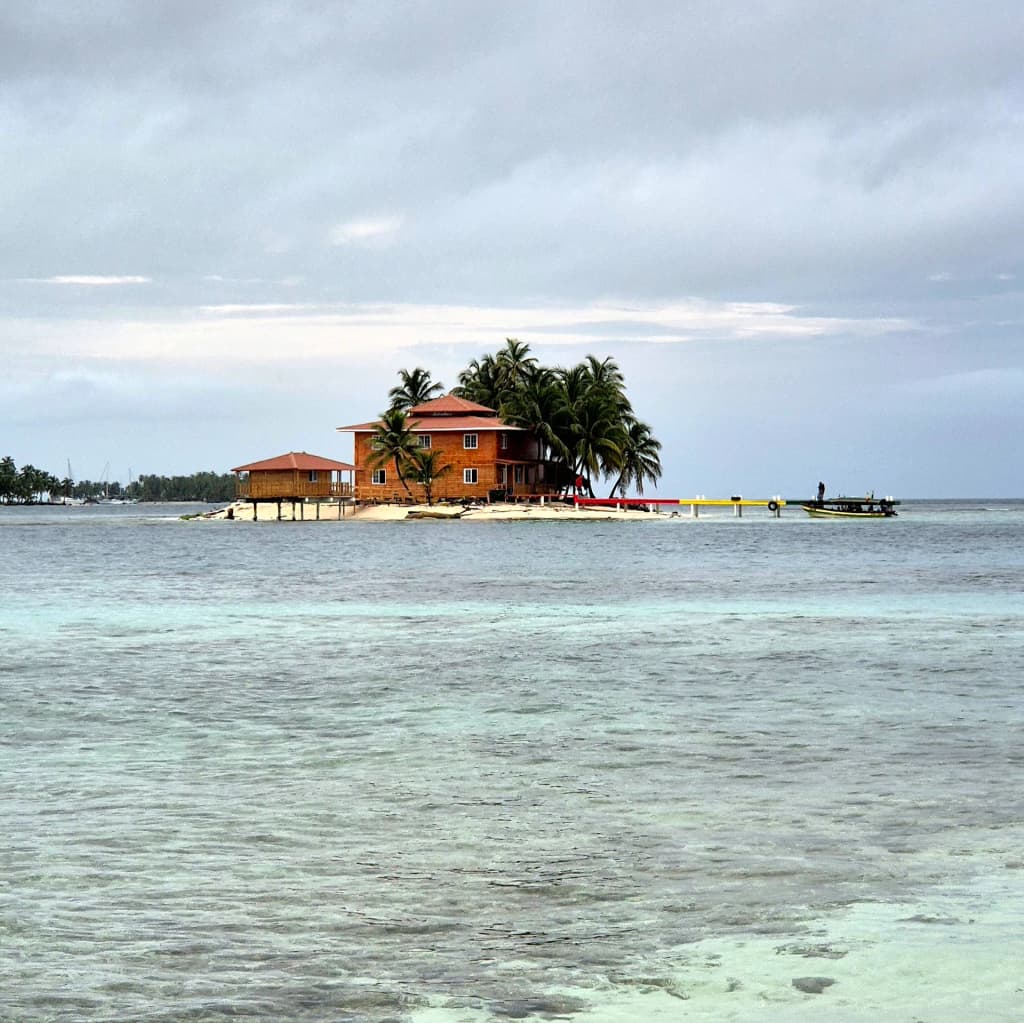
Back near the capital, the pace slows down again on Taboga Island. The ferry ride is short, just thirty minutes from the Amador Causeway, but the "Island of Flowers" feels worlds away. The history here is darker than the bright petals suggest—pirates like Henry Morgan used this bay as a staging ground to sack the mainland. Today, the only invasion is a trickle of tourists seeking the beach.
I sit at a plastic table at a beachside shack, digging into a plate of fried fish and patacones (fried plantains). The beer is ice cold, sweating in the humidity. From the shore, I can see the line of ships waiting to enter the canal, looking like toy boats on the horizon. Later, I walk the Amador Causeway, a long finger of land built from the rock excavated from the canal. It links the mainland to small islands, offering a panoramic view where the modern skyline faces off against the Bridge of the Americas. It’s the perfect vantage point to understand the geography of this place—a slender waist of land holding two oceans apart.
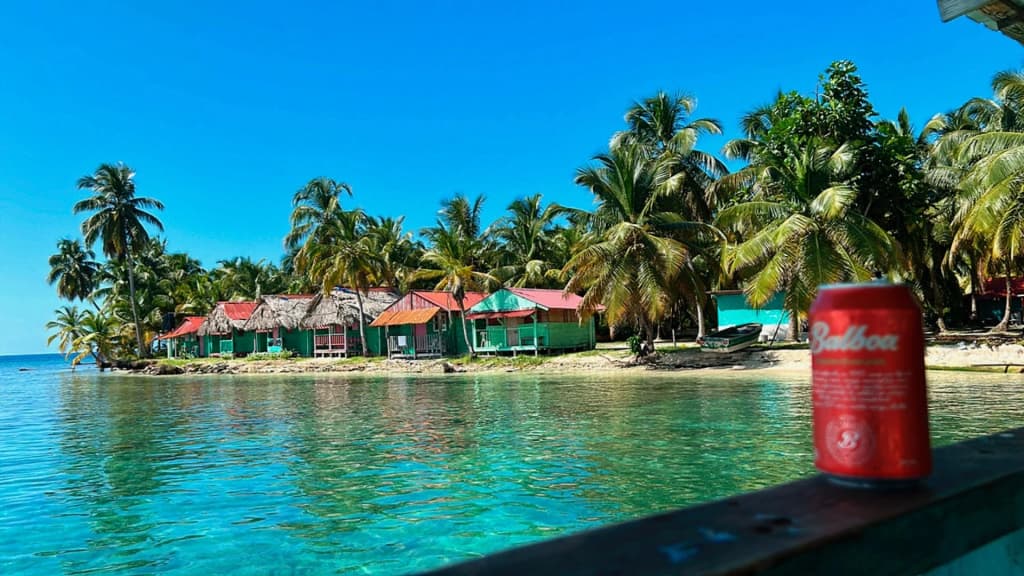
Before I leave, I navigate the consumer chaos of Albrook Mall. It’s the flip side to the quiet of San Blas—a massive, crowded monument to Panama’s status as a trade hub. If you want luxury brands, you go to Multiplaza, but if you want to see how locals live and shop, you come here. It’s loud, overwhelming, and full of life.
Sitting on the plane, looking down at the thin strip of land separating the oceans, I touch the brim of my new hat. Panama is a country of transit, a place people pass through on their way to somewhere else. But if you stop moving long enough, you find that the real destination isn't the canal or the connection it offers. It's the friction between the old and the new, the way the jungle constantly pushes against the glass towers, reminding the city that nature was here first.
More Photos
More Adventures
 $40 - $150/day 20-30 days
 Conquer Thailand: The Ultimate 20-Day Blueprint
Skip the tourist traps. Grab your backpack. This is your high-energy, no-BS guide to dominating Thailand in 20 days. Get ready to sweat.
 $33 - $50/day 14-60 days
 The Raw Truth About Budgeting for Bali
Think Bali is too expensive? Think again. Get the raw, unfiltered truth about backpacking Indonesia on a $33 daily budget. Pack your bags and ride.
 $60 - $200/day 4-7 days
 Between the Andes and the Ocean: Unraveling Santiago
Experience the striking contrasts of Santiago, Chile. Discover historic dive bars, the soaring Andes in Cajón del Maipo, and the colorful hills of Valparaíso.
 $75 - $250/day 7-14 days
 The Ultimate Month-by-Month International Travel Guide
Stop gambling with your PTO. Discover the exact best (and worst) international destinations for every month of the year to optimize budget and weather.