
Penedo: A Slice of Finland in the Brazilian Jungle
Explore Penedo, Rio de Janeiro—a surreal Finnish colony where tropical heat meets Nordic architecture, artisan chocolate, and waterfalls.
The smell hits you first. It isn't the scent of damp earth or tropical rain that you expect from the Brazilian Atlantic Forest. It is the overwhelming, intoxicating aroma of warm cocoa and sugar. I am standing in the center of Penedo, and my brain is having trouble reconciling the visual data with the climate. The sun is blazing, a humid eighty degrees, yet I am surrounded by wooden architecture with steep pitched roofs, bright colors, and white trim that belongs in Northern Europe. It looks like a Christmas village dropped by mistake into the jungle.
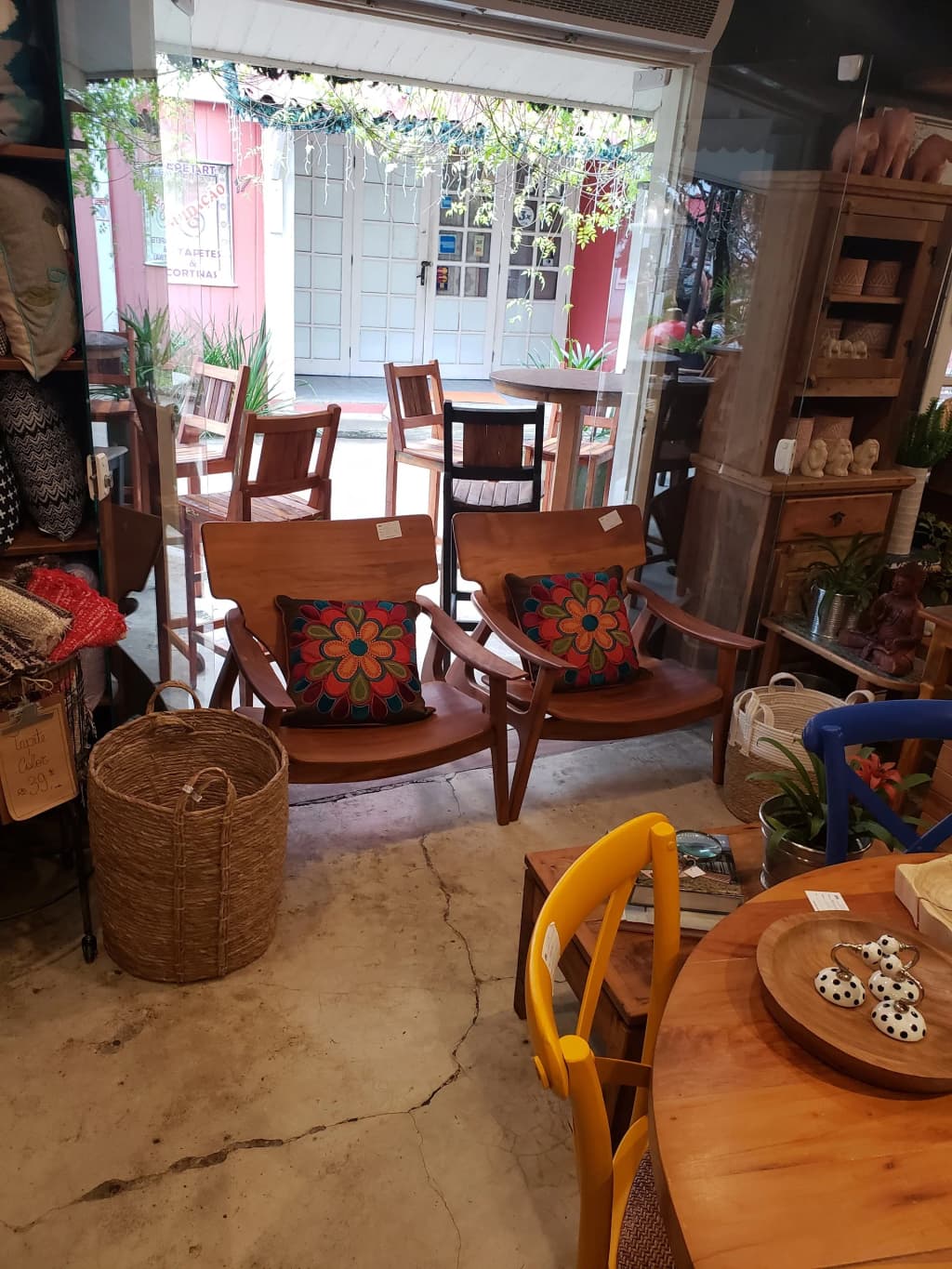
This is Pequena Finlândia—Little Finland. It is not a city, but a district of Itatiaia, and it is the only Finnish colony in Brazil. I wander through the main square, dodging families eating ice cream. The "Santa Claus House" sits prominently here, a replica of the original in Lapland. It feels kitschy at first glance, but as I run my hand along the painted wood, I realize the dedication to the aesthetic is sincere. This isn't a theme park; it's a memory of home for the people who built it.
To understand why this place exists, you have to look past the chocolate shops. I find myself at the Finnish Museum, a modest building that holds the weight of a utopian dream. In 1929, a man named Toivo Uuskallio led a group of Finns here. They weren't looking for gold; they were looking for a place to live a vegetarian, naturalist life in harmony with nature. They bought this land, then wild and isolated, to build a life of simplicity.
I pay the small entry fee—barely the price of a coffee—and walk past the bust of Toivo. The exhibits are quiet: traditional clothing, old farming tools, and photographs of stern-faced immigrants staring down the Brazilian sun. It’s a sobering counterpoint to the festive streets outside. They came for peace, and in a way, they created a legacy of leisure that sustains the town today.
But the heat is real, and the history lesson leaves me thirsty for the outdoors. I hop onto a buggy for a tour of the local waterfalls. The wind whips my hair as we tear away from the pavement and onto dirt roads. The Atlantic Forest closes in, lush and chaotic.
We stop at the Poço da Esmeralda—the Emerald Pool. The guide tells me that between 11 am and noon, the sun hits the water just right. I am lucky. The light pierces the canopy and turns the pool into a glowing jewel of green glass. The water is freezing, a shock to the system that feels essentially Nordic despite the palm trees. I dive in, the cold biting my skin, washing away the humidity of the town.
The next morning, I decide to gain some altitude. The road to Visconde de Mauá winds up the Serra da Mantiqueira, climbing to over 1,300 meters. The air thins and cools. This is a place to slow down. I reach the village of Maringá, a curious geographical quirk. A small river splits the town in two: one side is Rio de Janeiro state, the other is Minas Gerais.
I walk across the pedestrian bridge, hopping between states with a single step. On the Minas side, the pace is even slower. Artisans sell wool sweaters and heavy ceramics. It feels like a hideaway, a place where people come to disappear for a weekend. I stop at a small church, the Igreja de São Sebastião, built in 1912. It’s tiny, humble, and utterly peaceful.
Back in Penedo, hunger drives me to the local staple: trout. The region is famous for it. I sit at a table at Café Finlandês, watching the street life. I order the trout with passion fruit sauce. It’s a strange combination on paper, but on the tongue, it works—the oily richness of the fish cuts through the tart, tropical sweetness of the fruit. It is Penedo on a plate.
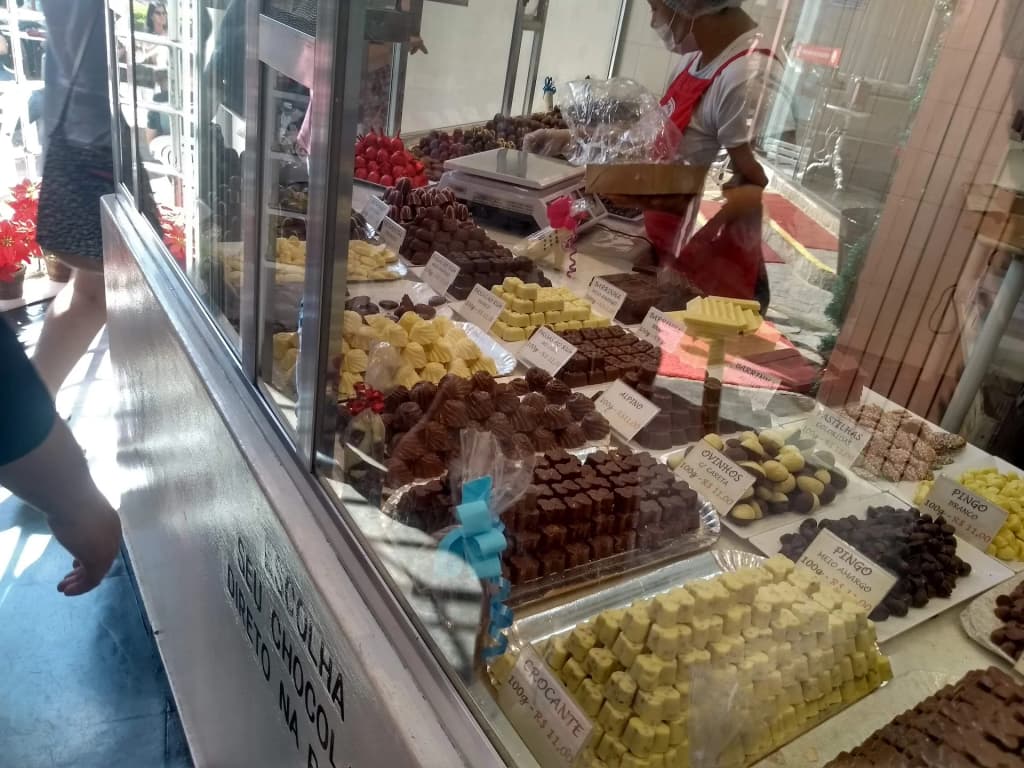
Dessert, of course, is non-negotiable. I embark on a personal quest to find the best chocolate. I try the "Santa Claus" brand for its value, but then I wander into Tonttulakki Suklaa. The Belgian chocolate here is smoother, darker. I buy a bag of piparkakku, the traditional spiced cookies. They taste of ginger, cloves, and cinnamon—the taste of a European winter, melting in the Brazilian heat.
My most memorable moment, however, isn't with a landscape, but with a person. I find a small atelier across from the chocolate factories. Inside, an elderly woman with bright eyes is arranging jars of homemade jam. This is Dona Eva, the oldest Finnish resident still living in the colony.
"You're not from here," she says, smiling as I inspect a jar of blackberry jam.
"No," I admit. "I'm just passing through. How long have you been here?"
She pauses, wiping her hands on her apron. "I arrived when I was three months old. My parents brought me." She tells me about crossing the Atlantic by ship, a journey that took a month. She talks about returning to Finland for the Olympics when she was fifteen, about learning to ski, and then coming back to Brazil. "I make everything myself," she says, gesturing to the breads and jams. "I wake up and think, 'What will I invent today?'"
I buy a loaf of her turmeric bread and a jar of jam. It feels like I'm buying a piece of living history.
I end my trip at Hotel Vert, a modern contrast to the rustic town. I sink into the heated pool, watching the steam rise into the night air. There is a sauna here, of course. I learned today that "sauna" is one of the few words that is the same in almost every language, a gift from the Finnish people to the world.
As I sit in the heat, I think about Toivo and his vegetarians, and Dona Eva with her jams. Penedo is a strange mix, a cultural collage that shouldn't work but somehow does. It is a place where you can sweat in a sauna, eat tropical fish, and buy wool socks, all within a few blocks. It is a place that remembers where it came from, even as the jungle grows around it.
More Photos
More Adventures
 $50 - $120/day 2-3 days
 Earth, Fire, and Lavender: A Sensory Weekend in Cunha
Breathe in the lavender fields, taste alpine mountain beer, and feel the heat of traditional Japanese kilns in the mountain village of Cunha, São Paulo.
 $50 - $120/day 3-5 days
 Chasing Echoes and Gold Dust in Tiradentes, Brazil
Experience Tiradentes, Brazil through a sensory journey of colonial architecture, deep-rooted history, and the rich culinary traditions of Minas Gerais.
 $50 - $150/day 1-2 days
 Finding Holland in the Tropics: Two Days in Holambra
Discover Holambra, Brazil's unexpected Dutch enclave. Wander through luminous flower fields, towering windmills, and rich European history in São Paulo state.
 $50 - $150/day 1-2 days
 Conquer the Serra Verde Express: Brazil's Wildest Train
Ditch the tourist traps and ride the Serra Verde Express from Curitiba to Morretes. Discover ticket tips, seating secrets, and the best Barreado.