
Sunlit Stones and Sarrabulho: A Day in Ponte de Lima
Stone bridges, green wine, and pork stew: a Sunday in Ponte de Lima, Portugal’s oldest village, where every corner glows with history and flavor.
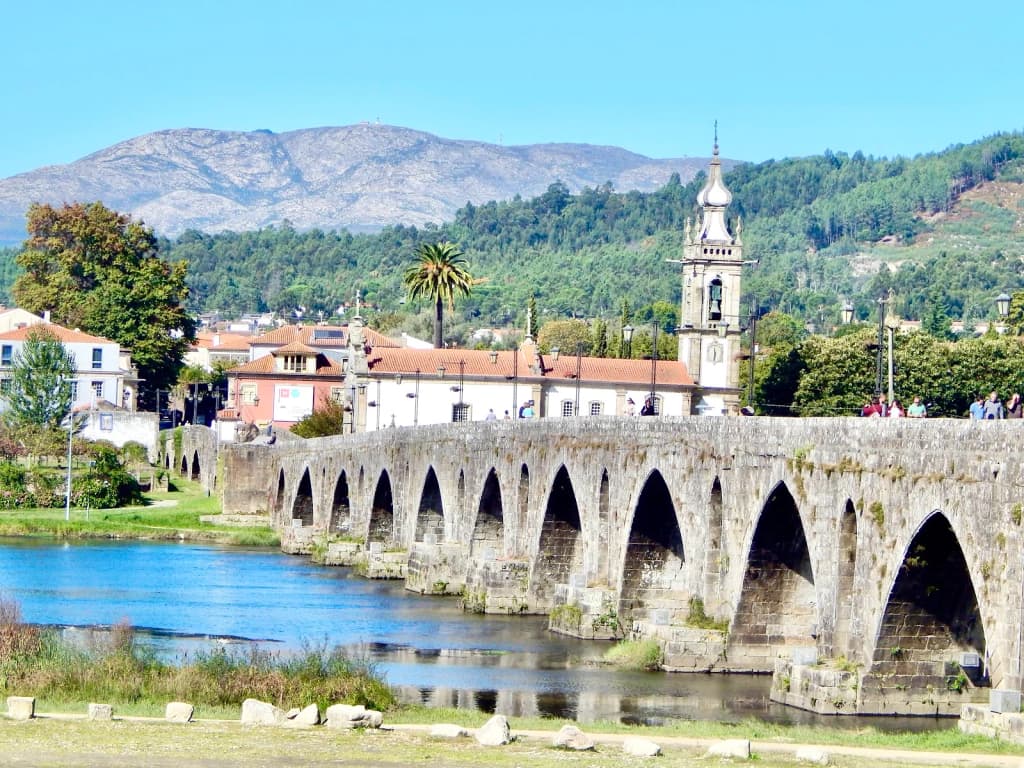
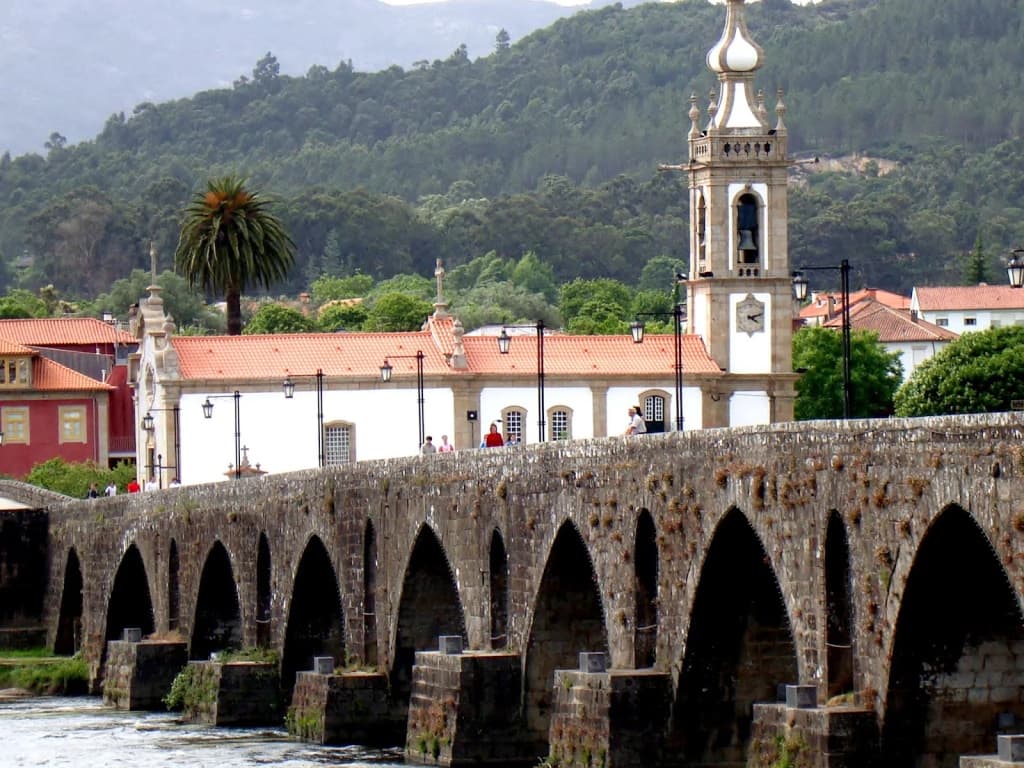
The river glints beneath the ancient arches, sunlight flickering on the water like a thousand coins tossed for luck. I’m standing at the edge of Ponte de Lima’s Roman bridge, the stones cool beneath my palms, the air thick with the scent of river mud and wildflowers. A cyclist rattles past, his tires humming over grooves worn by centuries of pilgrims—this bridge, after all, is a thread in the Camino de Santiago, and the scallop shell markers are easy to spot if you know where to look.
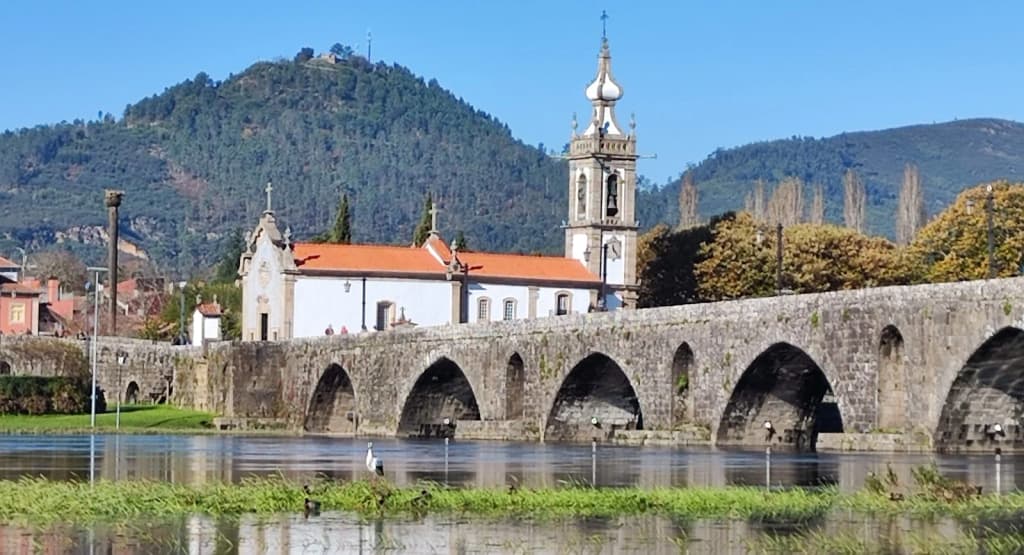
It’s Sunday, and the village is alive. Cars fill every patch of grass near the riverbank, families spill out with picnic baskets, and the air is bright with laughter and the distant chime of church bells. I follow the flow, drawn by the promise of a slow lunch and the kind of quiet that only old places know. Ponte de Lima, they say, is the oldest village in Portugal—older than memory, older than the language I fumble through with the shopkeepers.
Inside a tiny shop, shelves bow under the weight of local chouriço, jars of honey, and bottles of ginjinha—cherry liqueur from Óbidos, its ruby color catching the light. The woman behind the counter grins as I point to a bundle of cured sausage. “For cozido,” she says, “everything you need is here.” Her hands are quick, wrapping the package, and the air is thick with the peppery, smoky scent of meat and the faint tang of vinegar from pickled vegetables. I ask about the feirinhas, the little markets, and she nods toward the square. “Always on Sundays. You’ll find what you need.”
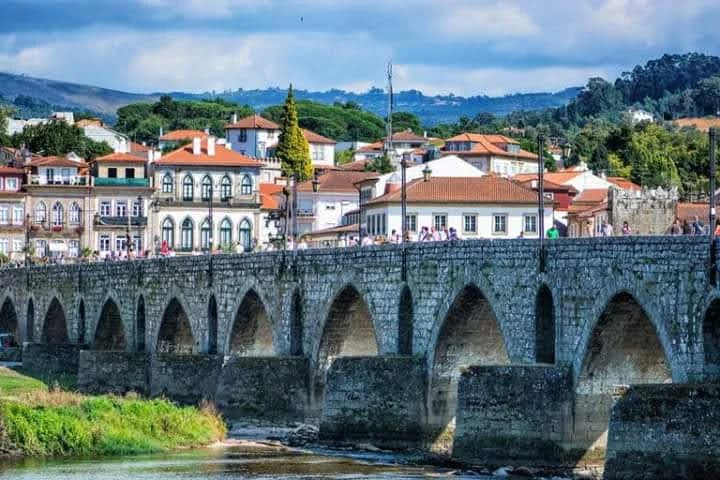
Outside, the streets are a patchwork of sunlight and shadow, stone houses with red-tiled roofs, and bursts of bougainvillea tumbling over old walls. I lose myself in the alleys, pausing at the Casa da Terra—once a women’s jail, now a museum and shop for regional crafts. The walls are thick, the air inside cool and still, and I can almost hear the echo of footsteps from another century.
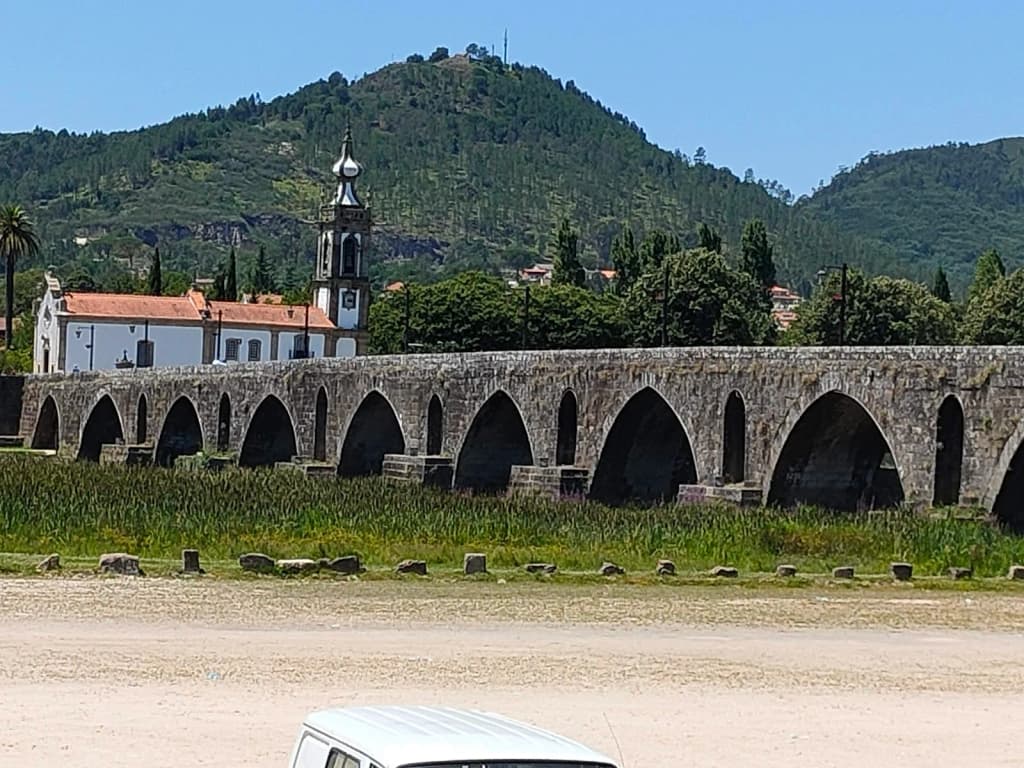
Lunch is a ritual here, and I’m late. The restaurant I’d hoped for—A Tulha—has just closed its kitchen, the last plates of arroz de sarrabulho with rojões already claimed by earlier arrivals. The owner shrugs, apologetic, and points me toward another spot, A Carvalheira, a short drive away in the countryside. The road winds past vineyards and stone farmhouses, the air sweet with cut grass and the promise of something good.
A Carvalheira sits in the shade of old trees, its garden dotted with white tables and the low hum of conversation. Inside, the walls are thick stone, cool even as the afternoon heats up. The waiter, Nuno, brings a bottle of vinho verde—first Alvarinho, then Loureiro, both cold and fizzing with a citrus tang that tastes like the river smells: green, alive, a little wild. “This is the heart of the vinho verde route,” he says, pouring. “You can’t come to Ponte de Lima and not try it.”
He laughs when I ask about the name. “If it’s green wine, how can it be white? Or red?” He shrugs. “It’s not the color. It’s the youth. The freshness.”
The food arrives in waves. First, alheira—a garlicky, smoky sausage, crisp-skinned and soft inside, served with hunks of bread still warm from the oven. Then the main event: arroz de sarrabulho with rojões. The platter steams, the rice dark and fragrant, flecked with shreds of pork and the deep, earthy scent of blood and spice. Rojões—chunks of pork, marinated and fried until the edges are crisp—sit alongside, rich and salty. There’s morcela, too, a black pudding that tastes of cloves and pepper, and a chouriço, its fat glistening in the afternoon light.
Nuno sets down a small bowl. “For the vinho verde tinto,” he says. “You drink it from a malga, not a glass.” The wine is deep red, slightly sparkling, tart and rustic. It’s not elegant, but it’s honest, and it fits the food and the place.
Dessert is a blur of sweetness: pudim abade de priscos, dense and golden, almost too sweet to finish, and baba de camelo, a cloud of caramel and condensed milk. The bill comes—89 euros for two, including wine, coffee, and enough food to last until tomorrow. “Expensive?” Nuno asks, raising an eyebrow. “For this much? For this place? Never.”
The sun is lower now, the river turning gold. I wander back through the village, past the church with its painted ceiling and the square where children chase pigeons. The air is cooler, the crowds thinning, and the bridge is quiet again. I pause halfway across, the stones warm from the day, and watch the water slide past, slow and green.
“Would you live here?” I ask a woman tending her garden by the river. She looks up, hands in the earth, and smiles. “Why not? It’s paradise, isn’t it?”
I think of the wine, the laughter, the taste of pork and spice lingering on my tongue. The way the light falls on old stone. The feeling of being, for a moment, part of something ancient and slow. I walk on, the village behind me, the river ahead, and the promise of another Sunday, somewhere, waiting.
More Photos
More Adventures
 $50 - $120/day 3-5 days
 Chasing Echoes and Gold Dust in Tiradentes, Brazil
Experience Tiradentes, Brazil through a sensory journey of colonial architecture, deep-rooted history, and the rich culinary traditions of Minas Gerais.
 $50 - $120/day 2-3 days
 Earth, Fire, and Lavender: A Sensory Weekend in Cunha
Breathe in the lavender fields, taste alpine mountain beer, and feel the heat of traditional Japanese kilns in the mountain village of Cunha, São Paulo.
 $50 - $150/day 1-2 days
 Finding Holland in the Tropics: Two Days in Holambra
Discover Holambra, Brazil's unexpected Dutch enclave. Wander through luminous flower fields, towering windmills, and rich European history in São Paulo state.
 $50 - $150/day 5-7 days
 Buenos Aires 5-Day Itinerary: Perfect Neighborhood Guide
Plan your perfect Buenos Aires trip with this meticulously organized 5-day neighborhood itinerary. Discover where to stay, costs, and a medieval village.