
Cocoa and Saltwater: A Road Trip from Ilhéus to Itacaré
A sensory journey through Bahia's Cocoa Coast, tracing the route from the historic plantations of Ilhéus to the wild surf and waterfalls of Itacaré.
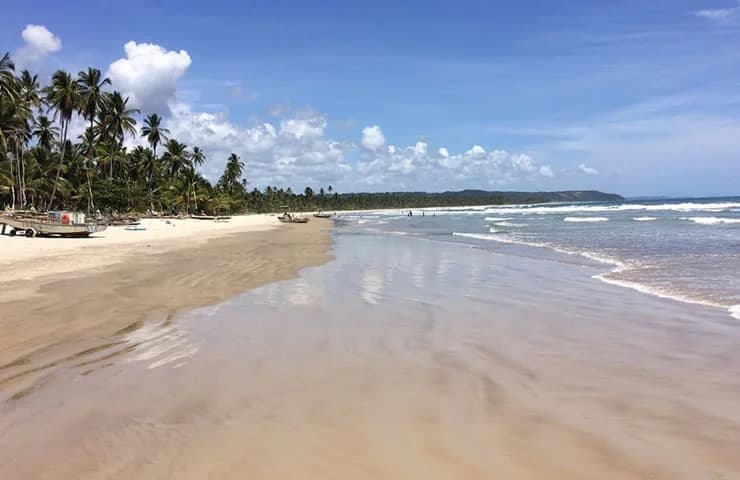
The heat is physical here. It settles on your shoulders the moment the automatic doors of the airport slide open, a heavy, humid weight that smells of salt spray and wet asphalt. I am standing on the edge of Praia do Sul, where the golden sand stretches out endlessly, dotted with the thatched roofs of barracas. The runway is only ten minutes away, yet the roar of jet engines has already been swallowed by the rhythmic crashing of the Atlantic.
I pick up my rental car immediately. In this part of Bahia, freedom has four wheels. While you could stay put, the magic here lies in the movement—between the historic weight of Ilhéus and the wild, untamed spirit of Itacaré to the north. But before I head up the coast, I have to taste the history.
Ilhéus is built on cocoa. You can’t escape it. I drive inland to the Mendoá Chocolate Factory, where the air shifts from salty to something deeper, sour and sweet at the same time. It is the smell of fermentation, thick and heady.
Walking through the plantation, I learn about the Cabruca system. It feels less like farming and more like a partnership with the forest. The cacao trees grow in the shade of the towering Atlantic Forest canopy, protected from the harsh sun by giants that have stood here for centuries.
"The fermentation changes the color from purple to brown," the guide explains, cracking open a raw bean with his thumb. "That is where the flavor is born."
Inside the factory, the aroma intensifies into the rich chocolate scent we all know. I taste a piece of 70% cocoa. It is complex, fruity, and earthy—a far cry from the sugary bars on supermarket shelves. It tastes like the soil I’m standing on.
Back on the coast, I chase the water. Praia dos Milionários got its name from the coffee and cocoa barons who once built their mansions here, but today the wealth belongs to anyone with a towel and an afternoon to spare. The tide is rising, filling the natural rock pools with foaming water that warms quickly in the sun.
I drive further to Cururupe, a striking spot where the dark, tannin-stained river water bleeds into the turquoise sea. It is nearly noon, and the sun is relentless. I stop at a riverside hut, Cabana do Cais, for grilled fish. There is a specific joy in eating seafood while your feet are still sandy, rinsing off the salt in the fresh river water before getting back on the road.
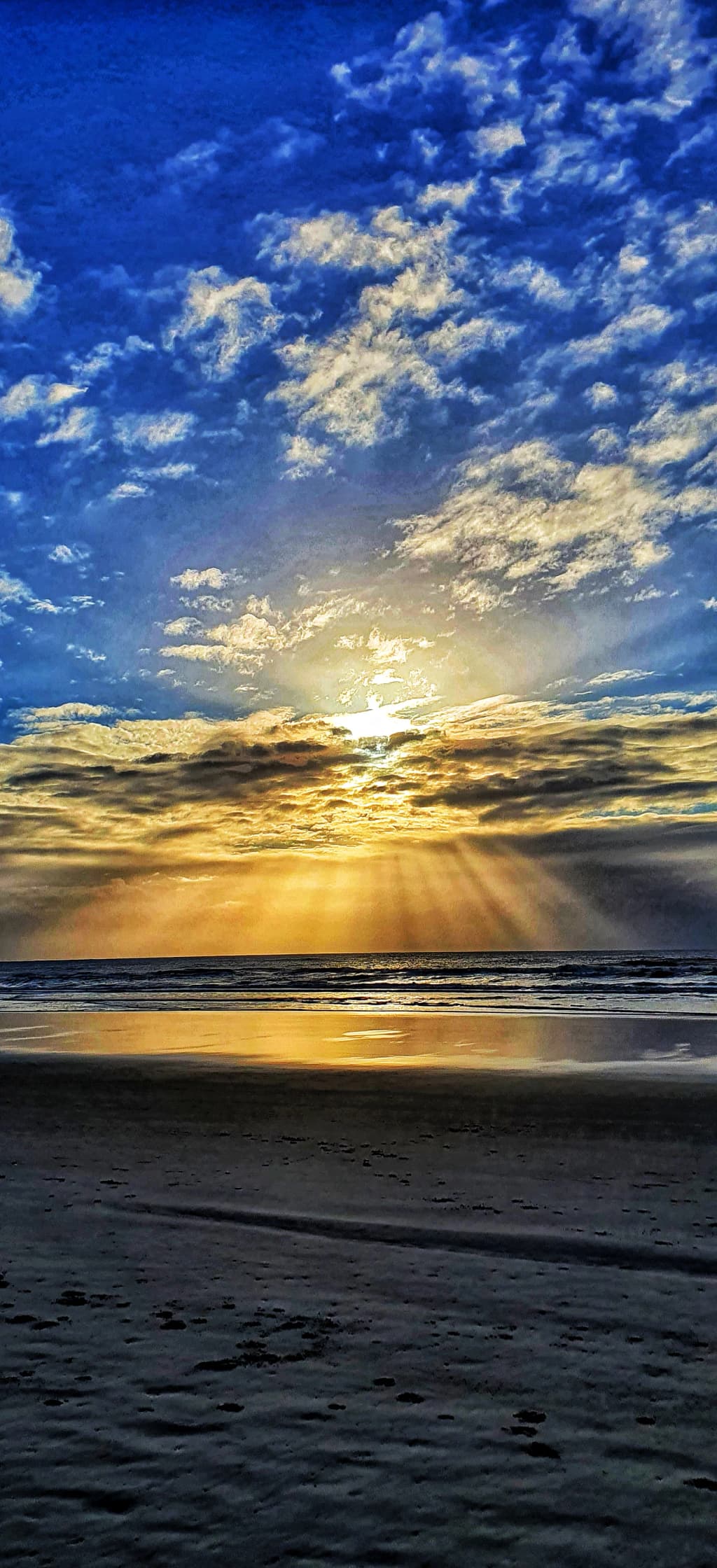
As evening falls, I find myself at Baía de Sapetinga. The sunset here is famous for a reason. The sky turns a bruised purple and orange, silhouetting the boats bobbing in the harbor. It is the perfect stillness before the journey north.
The road to Itacaré cuts through a tunnel of green. About halfway there, I pull over at Cachoeira do Tijuípe. I hand over the twenty-five reais entry fee—a small price for the shock of cold water that awaits. The waterfall isn't just a trickle; it is a wide, cascading curtain surrounded by lush bromeliads. I watch people kayaking in the pool below, but I am content just to float, washing off the heat of the drive.
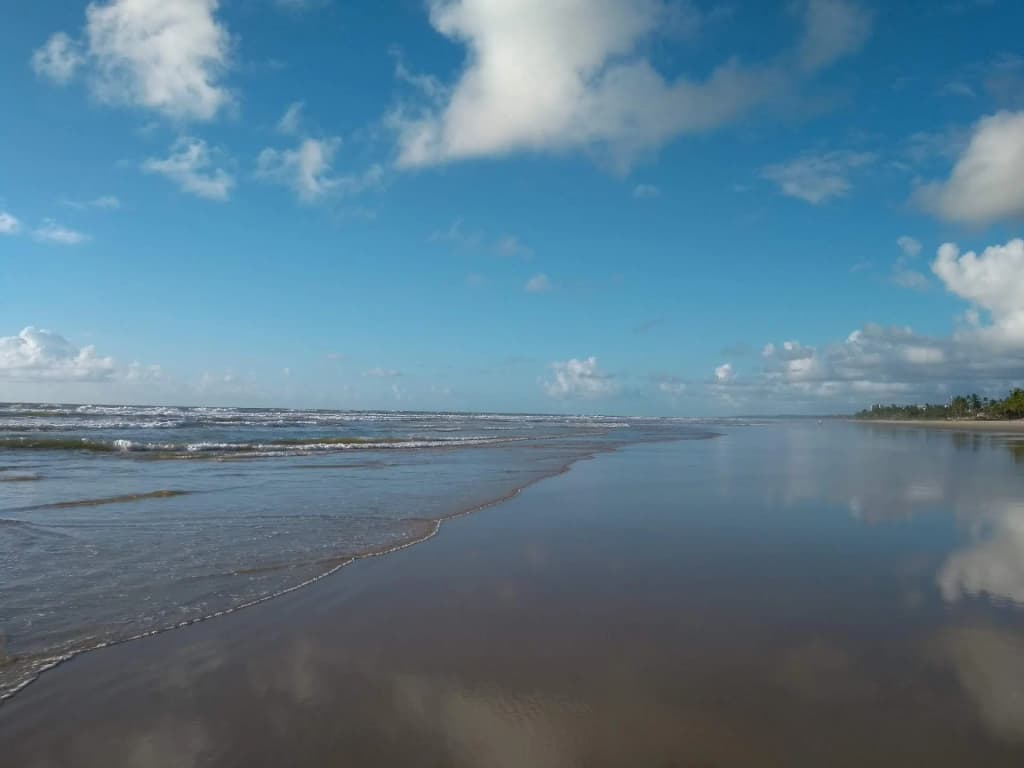
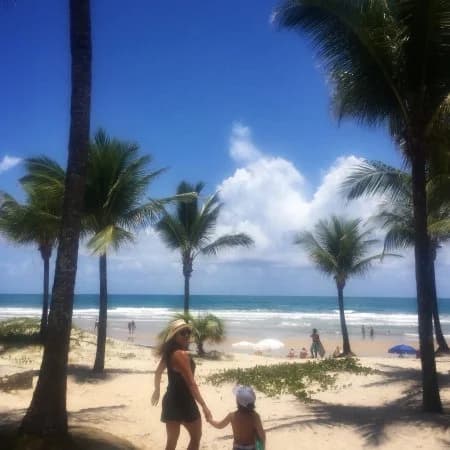
When I finally reach the outskirts of Itacaré, I make one last detour to Itacarezinho beach. The name means "Little Itacaré," which is ironic because the beach is massive. The descent is steep. You can pay fifty reais to drive down, but I leave the car at the top and walk. It takes twenty-five minutes, but the anticipation builds with every step. When the trees finally break, the view is arresting—a seemingly infinite line of white sand and coconut palms, wilder and more rugged than the beaches in Ilhéus.
Hunger drives me into the town center of Itacaré, to a place called Tia Deth. She has been feeding locals and travelers since 1994. I order the moqueca, which arrives bubbling in a clay pot, bright orange with dendê oil and smelling of coconut milk and cilantro.
Her son, Tiquinho, brings out a tray of sweets. The kitchen is chaotic but joyful, preparing for the festival of Iemanjá, the Queen of the Sea.
"You are preparing offerings?" I ask, eyeing the piles of white flowers and sweets.
"For the mother of the waters," Tiquinho nods, pointing to a fresh batch of doce de leite.
"Can I try?" I ask.
"Direct from the farm," Tia Deth smiles, handing me a small square. "It is sweet, so she brings us good tides."
The mousse of cupuaçu for dessert is tart and creamy, a perfect counterpoint to the heavy, savory moqueca. It feels like a blessing in itself.
I check into Ecoporan Charme e Spa, a hotel that seems to have grown out of the jungle rather than being built over it. There are pools and climbing walls, but I just need the shower and the silence of the balcony to reset.
The night in Itacaré has a different rhythm. Walking down the main street, the sound of the berimbau draws a crowd. A capoeira circle has formed, bodies spinning and kicking in a fluid dance that is equal parts martial art and ritual. The energy is infectious.
I end the night at Restaurante Saravá with a gin cocktail muddled with Sicilian lemon. The town is buzzing, alive with travelers and locals mixing in the warm air. Ilhéus was the history, the heavy scent of cocoa and barons. Itacaré is the pulse, the living forest, and the sea. Sitting here, listening to the distant waves, I realize I haven't looked at a clock all day.
More Photos
More Adventures
 $150 - $350/day 3-4 days
 Trancoso Travel Guide: 3-Day Itinerary & Budget Breakdown
Plan a practical 3-day trip to Trancoso, Brazil. Discover the best beaches, UTV tours to Praia do Espelho, and exact costs to optimize your travel budget.
 $50 - $150/day 5-10 days
 Finding the Rhythm of Bahia: From Porto Seguro to Trancoso
Experience the sensory magic of Brazil's Costa do Descobrimento, from the chaotic nightlife of Porto Seguro to the barefoot luxury of Trancoso's beaches.
 $40 - $80/day 3-5 days
 Into the Wild: Surviving Roraima's Macuxi Territory
Skip the tourist traps. Plunge into the raw culture of the Macuxi tribe in Roraima, Brazil. Experience fire-hot stews, sacred rituals, and wild borders.
 $80 - $250/day 4-7 days
 Surviving Manaus: Gateway to the Raw Amazon Jungle
Skip the tourist traps. Dive deep into Manaus, witness the Meeting of the Waters, and journey straight into the raw heart of the Amazon rainforest.