
Turbulence, Snow, and Santiago: A Family’s Journey
Delays, damaged luggage, and snowy Andes—step into a family’s real-life journey from Brazil to Santiago, Chile, through the eyes of a travel writer.
The fluorescent lights of Curitiba Airport flicker against the pre-dawn dark. It’s 5:40am, the air sharp and cold, and Luli is already halfway through a pão de queijo, cheeks puffed, eyes wide with the anticipation only a first international trip can bring. Around us, the terminal hums with the low thrum of rolling suitcases and the occasional bark of a loudspeaker. I check the weather in Santiago—13°C, warmer than here, but still enough to warrant the extra layers stuffed into our bags. Bags, plural, because even though we’re only allowed a carry-on, we’ve chosen to check them. Freedom, for us, is wandering the airport unburdened, hands free to hold a child’s hand or a cup of coffee.
“People say we’re crazy to check a carry-on,” I tell Diego, watching Luli swing her legs from the bench. “But I’d rather risk a scuffed suitcase than a sore back.”
He grins, “It’s not about the rules, it’s about the journey.”
The journey, of course, is never as smooth as the glossy brochures promise. Our flight to São Paulo is delayed. A rear door on the plane is inoperable, and the crew is shuffling passengers like chess pieces, trying to balance the weight. The tension is palpable—murmurs ripple through the cabin, a child cries, someone stands to stretch, only to be told to sit again. The captain’s voice crackles over the intercom, calm but tired: “We’re working with the ground team to ensure everything is within safe limits.”
We’re offered a food voucher—R$78, enough for a rushed breakfast in the terminal, but the irony isn’t lost on us: the voucher comes after we’ve already boarded. Some passengers give up, disembark, and their luggage must be retrieved, adding to the delay. Eventually, we’re moved forward in the cabin, a small upgrade in legroom, and Luli, unbothered by the adult drama, is asleep before takeoff.
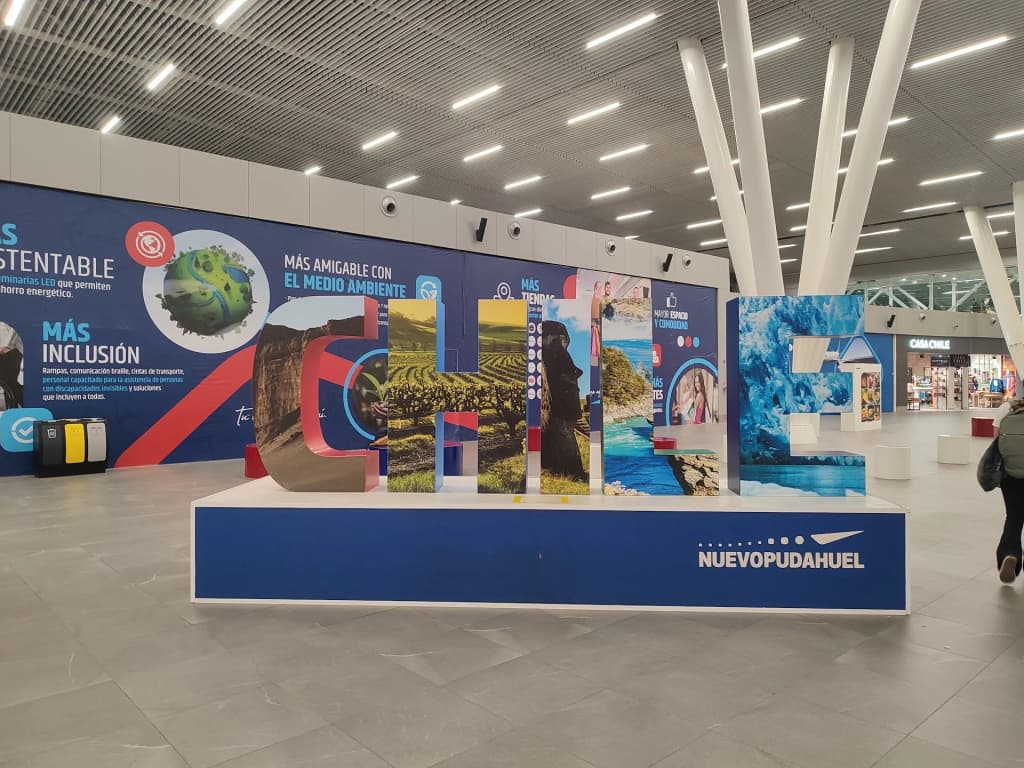
Guarulhos Airport in São Paulo is a city unto itself—echoing halls, the scent of strong coffee and perfume from the duty-free, the metallic clatter of security trays. We snake through the international terminal, passports and boarding passes in hand, the ritual of travel both familiar and strange. The security here is stricter: no liquids over 100ml, no sharp objects, and, as Diego points out, “Did you know there’s a Samsung phone you can’t bring on board?”
I laugh, “Only you would know that.”
He shrugs, “Note 7. Banned everywhere.”
We pass through the VIP lounge, a brief oasis of calm. Luli colors quietly while Thaí, hungry and irritable, makes a beeline for the buffet—salads, hot pasta, creamy cocada, and a spread of drinks from orange juice to Chilean wine. The lounge is a reward for loyalty, a reminder that sometimes, the journey is as much about the waiting as the moving.
Boarding for Santiago is a study in organized chaos. The flight is full, and the announcement comes: “Group 4, you must check your bags.” Grumbling ensues, but we’re used to it. Our philosophy is simple—first to board or last, never in between. We shuffle on, find our seats at the back, and settle in with the small comforts of travel: a blanket, a pillow, the promise of sleep. The Airbus A320 hums to life, and as the city lights of São Paulo fade, the cabin dims, the world narrows to the soft breathing of a child and the gentle clink of a wine glass.
The meal is simple but welcome—a hot sandwich, a small fruit salad, a Twix bar. The bread is warm, the cheese gooey, the fruit a little bland, but the chocolate is a small delight. “What’s your tip for popping ears?” I ask Luli as we begin our descent.
She demonstrates, mouth wide, “Just open your mouth like this!”
Somewhere over the Andes, the clouds part. Snow-capped peaks rise, impossibly close, the sun glinting off their jagged edges. For a moment, the entire cabin presses to the windows, breath held, as the Cordillera de los Andes reveals itself—white, wild, and endless. Even Diego, usually unflappable, is moved. “It’s almost emotional,” he whispers. Luli’s eyes are wide, her first glimpse of another country framed by mountains and sky.
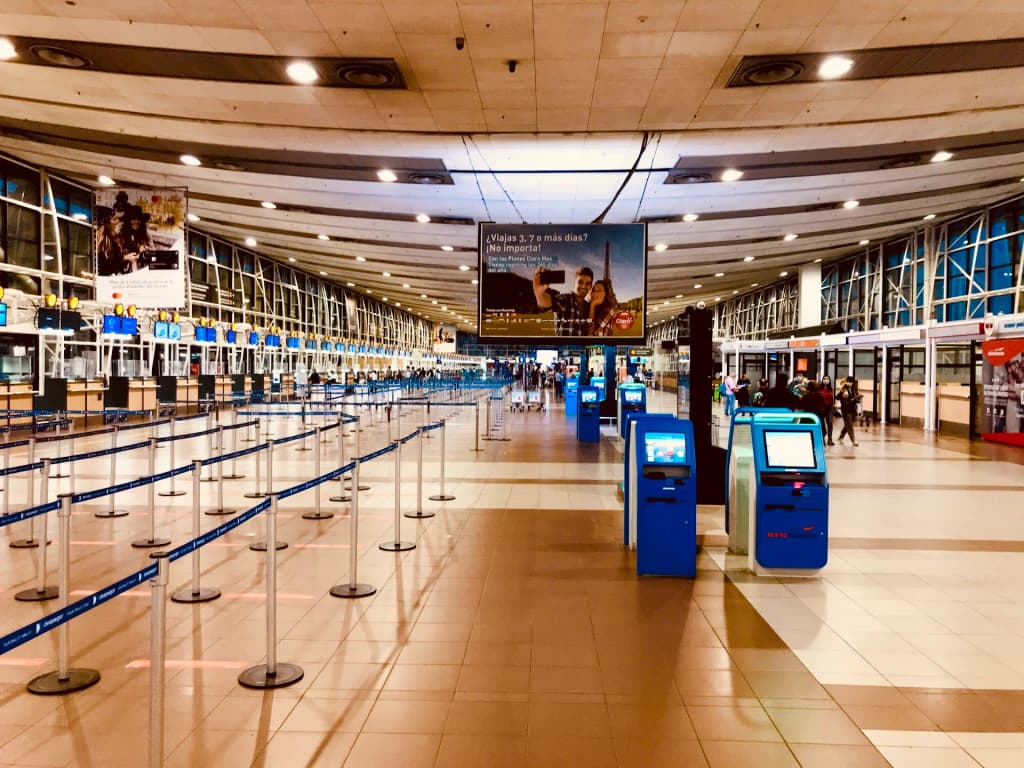
Santiago’s Arturo Merino Benítez International Airport is a swirl of languages and faces, the air tinged with the scent of roasted coffee and the faint chill of mountain air. Immigration is efficient—no passport required for Brazilians, just a valid ID less than ten years old. The officer stamps our documents, hands us the PDI slip we’ll need to leave the country, and waves us through. A sniffer dog circles the baggage carousel, nose twitching, eyes bright. Luli giggles, “He’s working harder than we are.”
Our luck with luggage holds: another suitcase, another dent. We file a claim at the LATAM counter, the process familiar by now. “You’re lucky if you’ve never had a bag damaged,” the attendant says, half-joking, half-sympathetic. We nod, resigned, and move on.
Outside, the city waits. Taxis are notorious here, Uber is technically illegal, so we’ve arranged a private transfer with Chile Experience. The van is clean, the driver friendly, the city unfolding beyond the window—mountains on one side, the sprawl of Santiago on the other. The air is crisp, the sky impossibly blue. Luli presses her face to the glass, eyes tracing the skyline.
“Are you excited?” I ask.
She grins, “I want to see everything.”
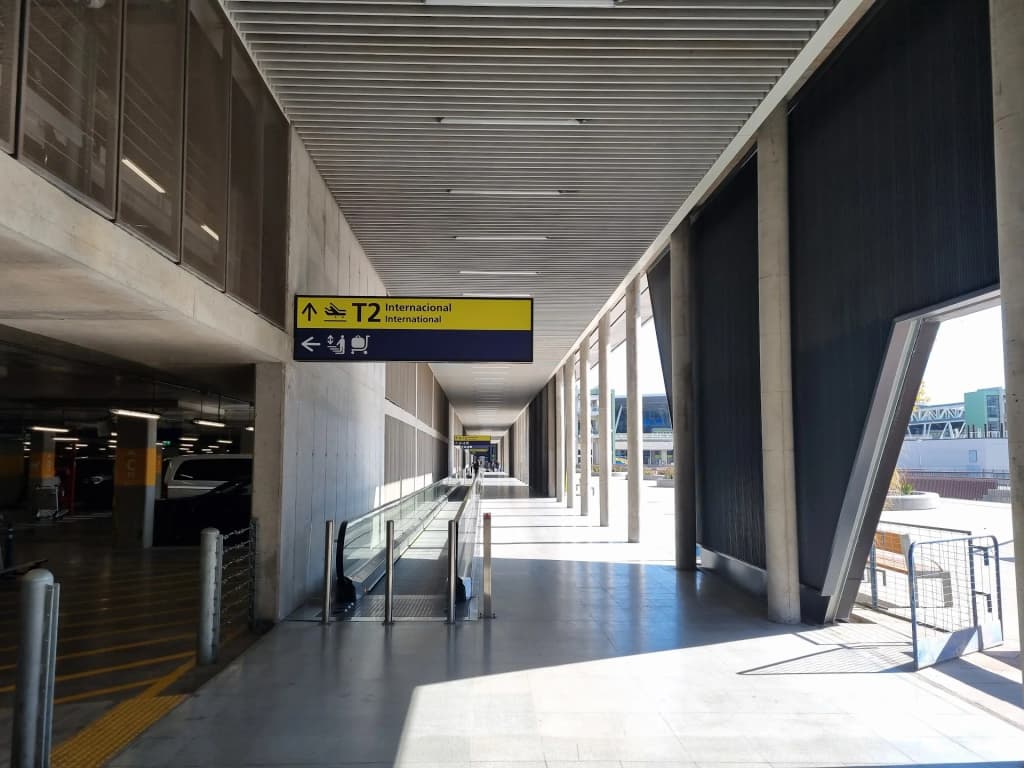
There’s a moment, after the stress and the lines and the delays, when you step out into a new city and the air feels different. The journey is never perfect—there are delays, damaged bags, missed views, and small victories. But as the Andes glow in the late afternoon sun and Luli’s laughter fills the van, I’m reminded why we travel: not for the flawless itinerary, but for the stories we gather along the way.
More Photos
More Adventures
 $100 - $250/day 2-4 days
 A Journey to Campos do Jordão: Finding Brazil's Alpine Soul
Experience the mountain culture of Campos do Jordão, Brazil's highest city. Discover cherry blossoms, historic railways, and cozy alpine gastronomy.
 $60 - $200/day 4-7 days
 Between the Andes and the Ocean: Unraveling Santiago
Experience the striking contrasts of Santiago, Chile. Discover historic dive bars, the soaring Andes in Cajón del Maipo, and the colorful hills of Valparaíso.
 $120 - $250/day 1-2 days
 Hack the Alps: Milan to St. Moritz Day Trip on a Budget
Discover how to travel from Milan to St. Moritz on a budget. Skip the Bernina Express, take the regional train, and experience the Swiss Alps like a pro.
 $40 - $100/day 3-4 days
 Campos do Jordão Itinerary: Budget Guide & Hiking Logistics
Plan a practical trip to Campos do Jordão, Brazil's highest city. Get exact costs for state parks, hiking Pedra do Baú, and budget-friendly dining.