
Toronto: Vertigo, History, and the Roar of the Falls
A sensory journey through Toronto, from the dizzying heights of the CN Tower to the thunder of Niagara Falls, exploring the flavors and rhythms of the city.
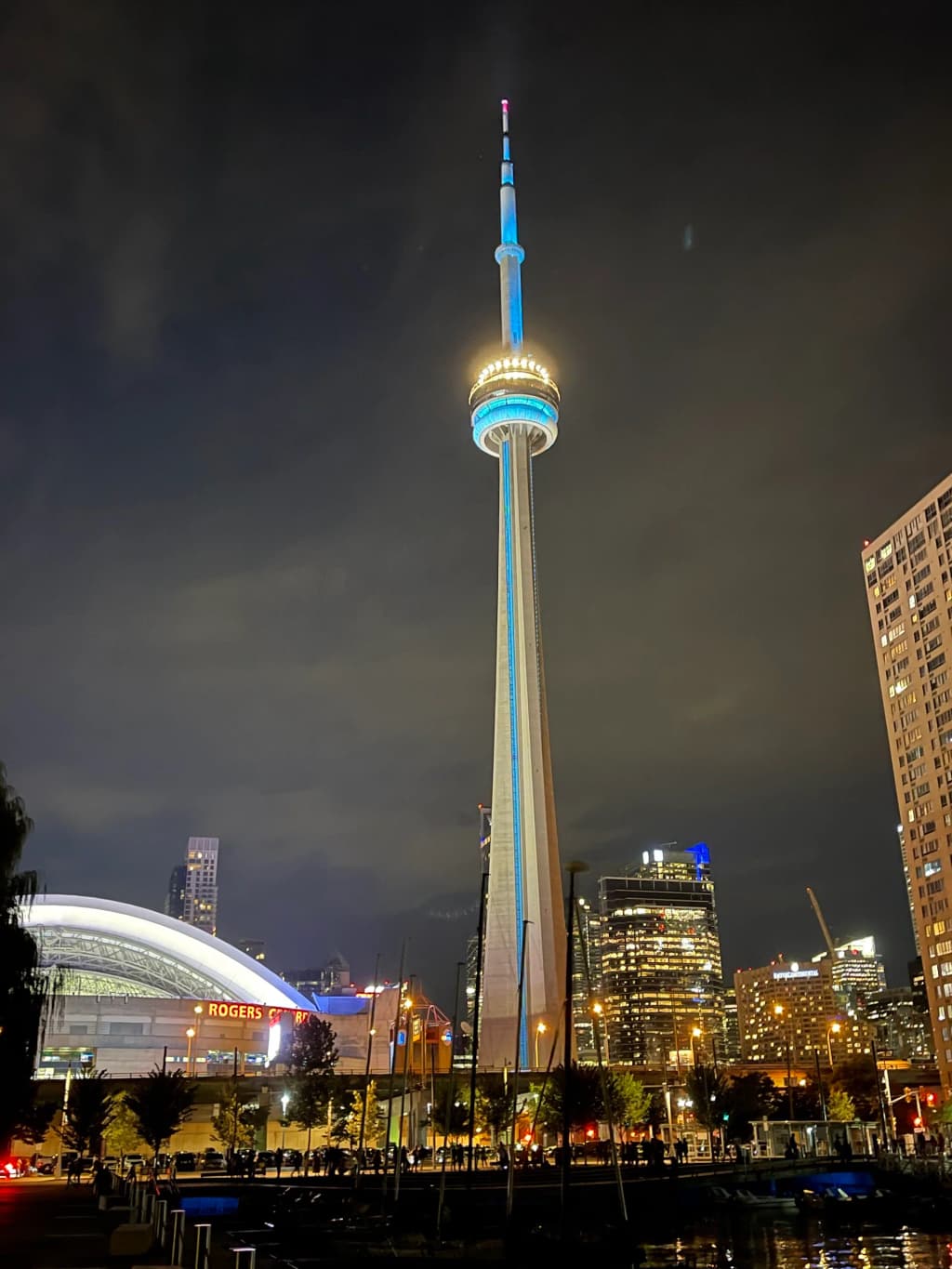
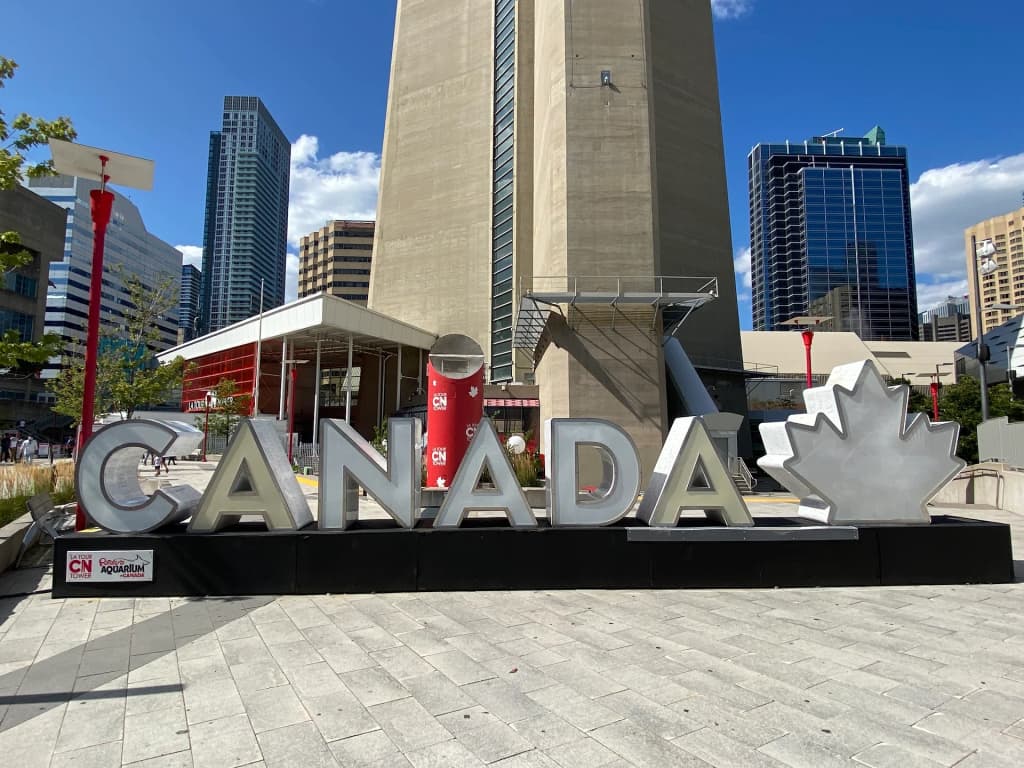
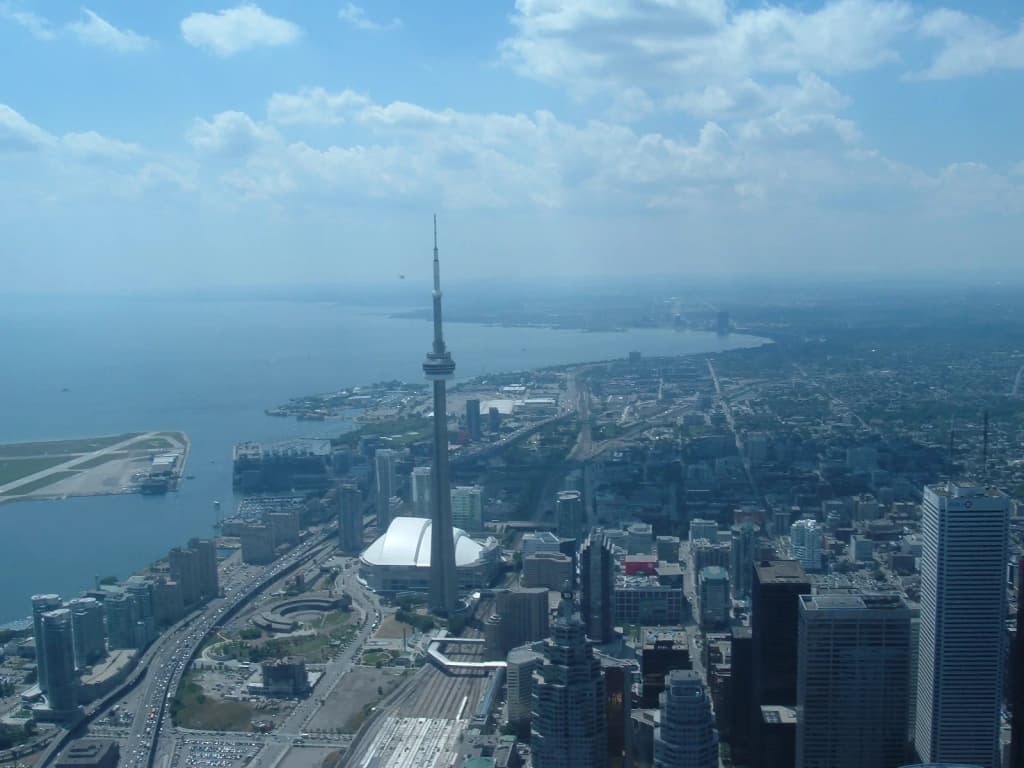
The wind hits you differently when you are standing 346 meters above the ground. Even through the safety of the glass, the city below looks like a circuit board humming with electricity, a grid of grey and silver stretching out toward the blue horizon of Lake Ontario. This is the CN Tower, the needle that stitches the sky to the pavement, and it is the only place to truly understand the scale of Toronto. It feels cleaner than New York, less chaotic, but the ambition of the steel giants surrounding me is just as palpable. Standing on the glass floor, looking straight down at the miniature cars, my stomach does a slow, deliberate somersault. It is a vertigo that feels strangely like excitement.
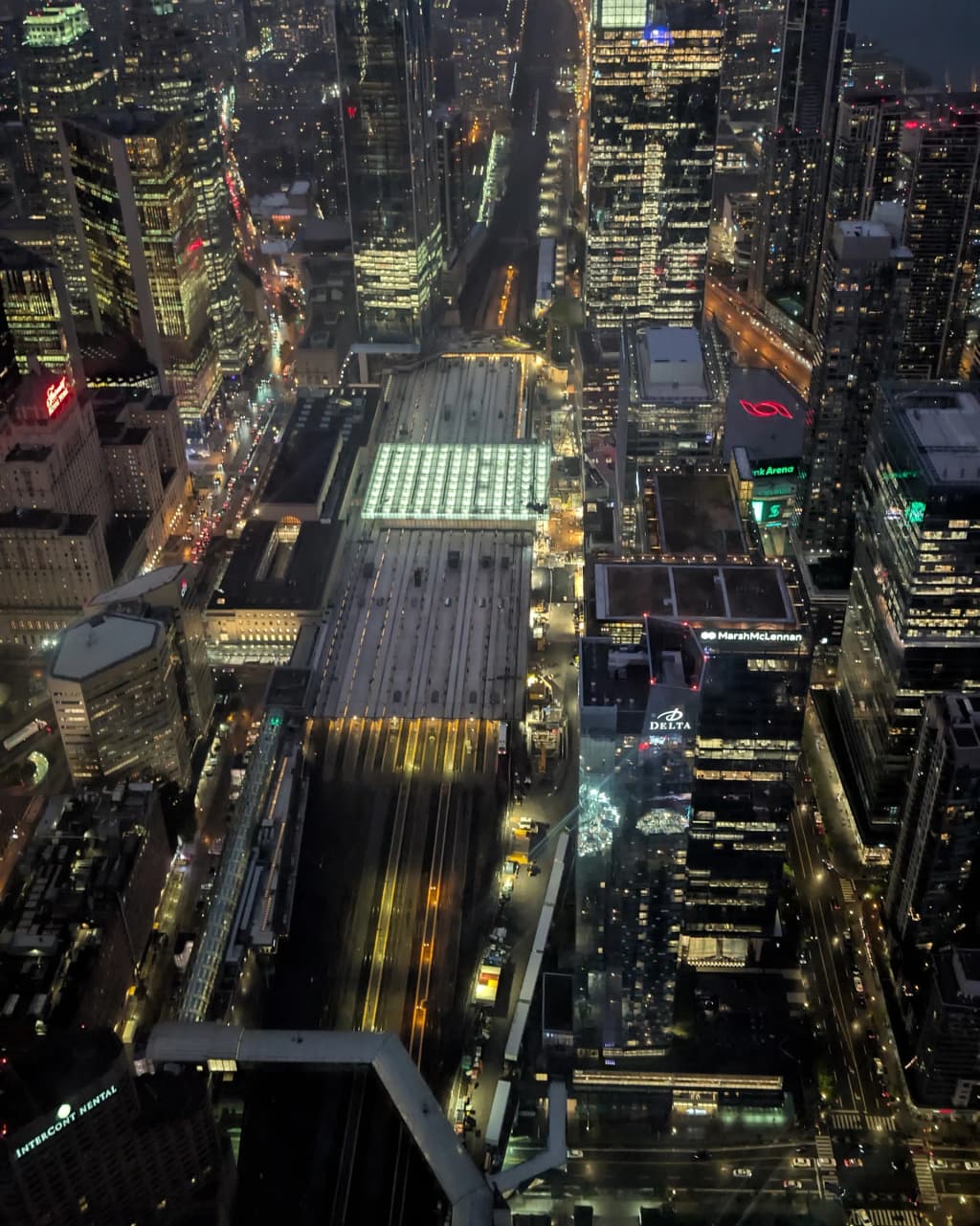
The arrival into this concrete jungle is surprisingly gentle. The UP Express train slices through the suburbs and deposits me in the heart of the city in twenty-five minutes, sparing me the disorienting dance of negotiating taxi fares in a new currency. I step out into the Entertainment District, the pulse of the downtown area. The air is crisp, carrying the scent of fresh coffee and the metallic tang of a busy metropolis. This is where you want to drop your bags. The locals will tell you that Toronto is a city of neighborhoods, but for the traveler with only three or four days, staying central means the city is your living room.
I learned the hard way that spontaneity has a price tag here. The hotels in this district operate on a sliding scale of demand; wait too long, and the prices climb vertical walls just like the skyscrapers. I found a room by booking weeks in advance, taking advantage of free cancellation policies to lock in a rate before the computer algorithms decided to double it. It feels like a small victory as I unpack, watching the city lights flicker on through the window, a galaxy of domestic stars against the twilight.
"You haven't eaten until you've had the peameal," the woman says. She is wiping down the counter at Carousel Bakery in St. Lawrence Market, her movements practiced and rhythmic.
"I'm not usually a bacon person," I confess, eyeing the stack of meat.
She laughs, a warm, raspy sound that cuts through the din of the market. "Honey, this isn't bacon. It's history on a bun. Just try it."
She hands me the sandwich, warm and heavy in its paper wrapping. The St. Lawrence Market is an assault on the senses in the best possible way. It smells of curing meats, sharp cheddar, and baking bread. The sandwich is simple—cured pork loin rolled in cornmeal—but the taste is salty, savory, and deeply satisfying. It costs less than ten dollars, a humble price for a culinary icon. Around me, the market churns with life. It is not just a tourist trap; grandmothers are haggling over produce, and businessmen are eating hurriedly at high tables. This is the flavor of the city—unpretentious, substantial, and built by generations of immigrants.
To walk off the heavy lunch, I wander toward the Distillery District. The transition is jarring and beautiful. The glass towers recede, replaced by the red brick and cobblestones of the 19th century. This was once the largest distillery in the British Empire, and the air here still feels thick with the ghosts of industry. Now, it is a haven of art galleries and patios. The sound of a violin drifts from a street performer, bouncing off the brick walls. It is romantic and moody, the perfect counterpoint to the modern sheen of the financial district.
Further north, Casa Loma offers a similar escape into the past. It is a genuine castle in the middle of a modern city, an architectural anomaly with secret passages and manicured gardens that feel miles away from the subway lines that run beneath the streets. Exploring these spaces, you realize that Toronto is not just a city of the future, but a place that has carefully repurposed its past.
The roar is what you notice before you even see the water. It is a low frequency vibration that you feel in your chest. A ninety-minute drive from the city brings you to Niagara Falls, and no amount of photographs can prepare you for the sheer violence of the water. I opt for the boat tour, donning the thin red plastic poncho that offers more psychological protection than physical.
As the boat pushes into the horseshoe, the world turns white. The mist is heavy, soaking my face, my hair, my shoes. The sound is deafening, a white noise that drowns out the tourists shouting in a dozen languages beside me. It is nature flexing its muscles, a reminder of the wildness that sits just at the edge of civilization. I look back toward the shore, water dripping from my nose, and smile. It is the most alive I have felt in days.
Back in the city, the sun sets late, painting the glass towers in shades of violet and gold. Whether you visit in the long, humid days of summer or the sharp, biting cold of winter—where the underground PATH system becomes a subterranean lifeline—Toronto demands your engagement. It is a city that works, a city that moves, but if you stop for a moment, on a street corner or in a market stall, it is also a city that welcomes.
More Photos
More Adventures
 $80 - $250/day 4-7 days
 The Quiet Art of Experiencing Paris on a Budget
Discover how to experience the romance of Paris without breaking the bank, from secret bakery rituals to navigating the city's economic rhythms.
 $120 - $350/day 2-3 days
 Disneyland Paris Strategy: Ride Hacks & Coaster Secrets
Think you know Disney? Think again. Discover the underground secrets, massive coasters, and insider hacks to conquer Disneyland Paris like a pro.
 $50 - $150/day 3-5 days
 Tango, Steak, and Rivalries: A Buenos Aires Story
Experience the soul of Buenos Aires. From the colorful streets of Caminito to the modern elegance of Puerto Madero, discover where to eat, walk, and explore.
 $40 - $120/day 3-5 days
 A Sensory Walking Tour Through Central Buenos Aires
Experience the historic heart of Buenos Aires on a sensory walking tour. Taste medialunas at Café Tortoni and explore the bustling San Telmo Market.