
How to Travel Europe (and Beyond) Without Breaking the Bank
Savoring Europe’s flavors, sights, and stories—without emptying your wallet. My immersive guide to smart, soulful, and affordable travel.
The clatter of wheels on cobblestones echoes as I drag my bag through a narrow street in Lisbon, the air thick with the scent of roasting chestnuts and the distant briny tang of the Atlantic. A woman in a blue apron leans out her window, calling to a neighbor below. I pause, letting the city’s rhythm settle into my bones. Travel, for me, is not a luxury—it’s a necessity, a hunger that grows with every new place. But the cost, always lurking, threatens to turn dreams into distant wishes.
I’ve learned to outwit it, to travel not with extravagance but with intention. The secret is not in denying yourself, but in choosing wisely—where to splurge, where to save, and how to savor every moment without counting every coin.
The first bite of a city is always its food. In Paris, I once sat beneath the shadow of Notre-Dame, unwrapping a baguette and a wedge of cheese from the market, the crust crackling in my hands. The river glimmered, and the bells tolled the hour. A picnic, I realized, is not a compromise but a celebration. In Amsterdam, I watched locals sprawl on the grass of Vondelpark, sharing sandwiches and laughter, the air perfumed with tulips and the faint musk of bicycles. Supermarkets become treasure troves—ripe fruit, local cheese, a bottle of something cheap and cheerful. Eating like this, you taste the city’s real flavor, and your wallet thanks you.
A man at a London hostel kitchen once told me, “You want to know the city? Cook in it. Smell the garlic, hear the kettle whistle. That’s home, even if it’s just for a night.”
But sometimes, you want the full experience—a meal in a place where the napkins are linen and the wine is poured with a flourish. I save for one such night, then balance it with days of market fare. The trick is in the mix: a splurge here, a simple meal there. And always, always, a snack tucked in my bag for when hunger strikes between museums and monuments.
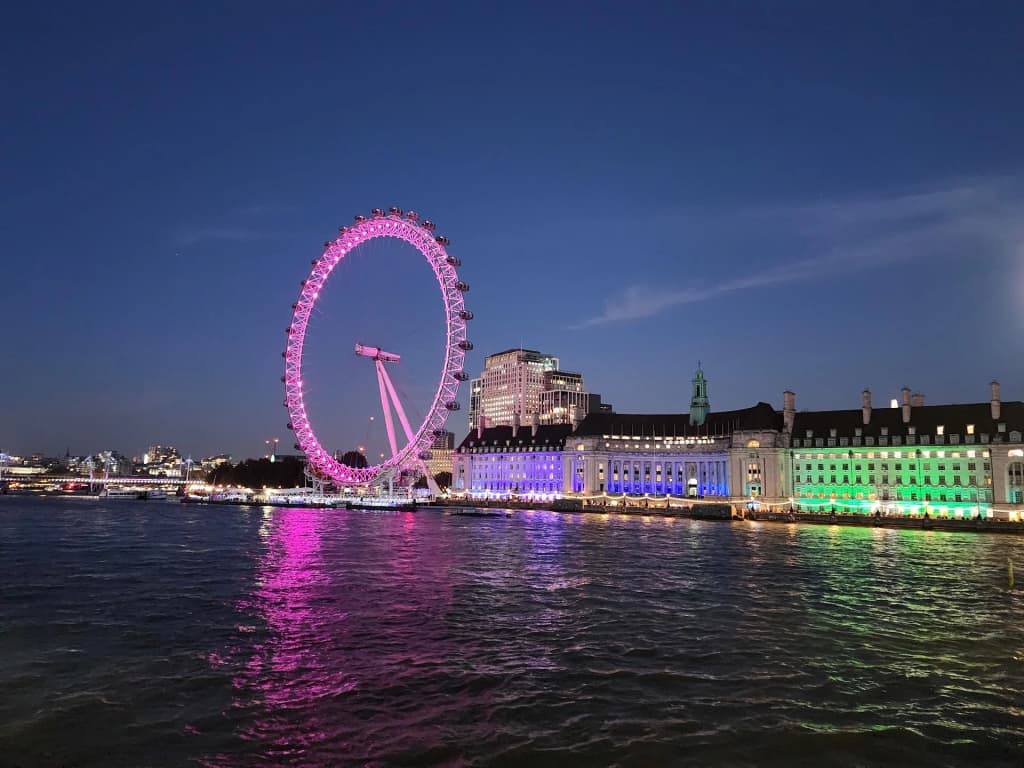
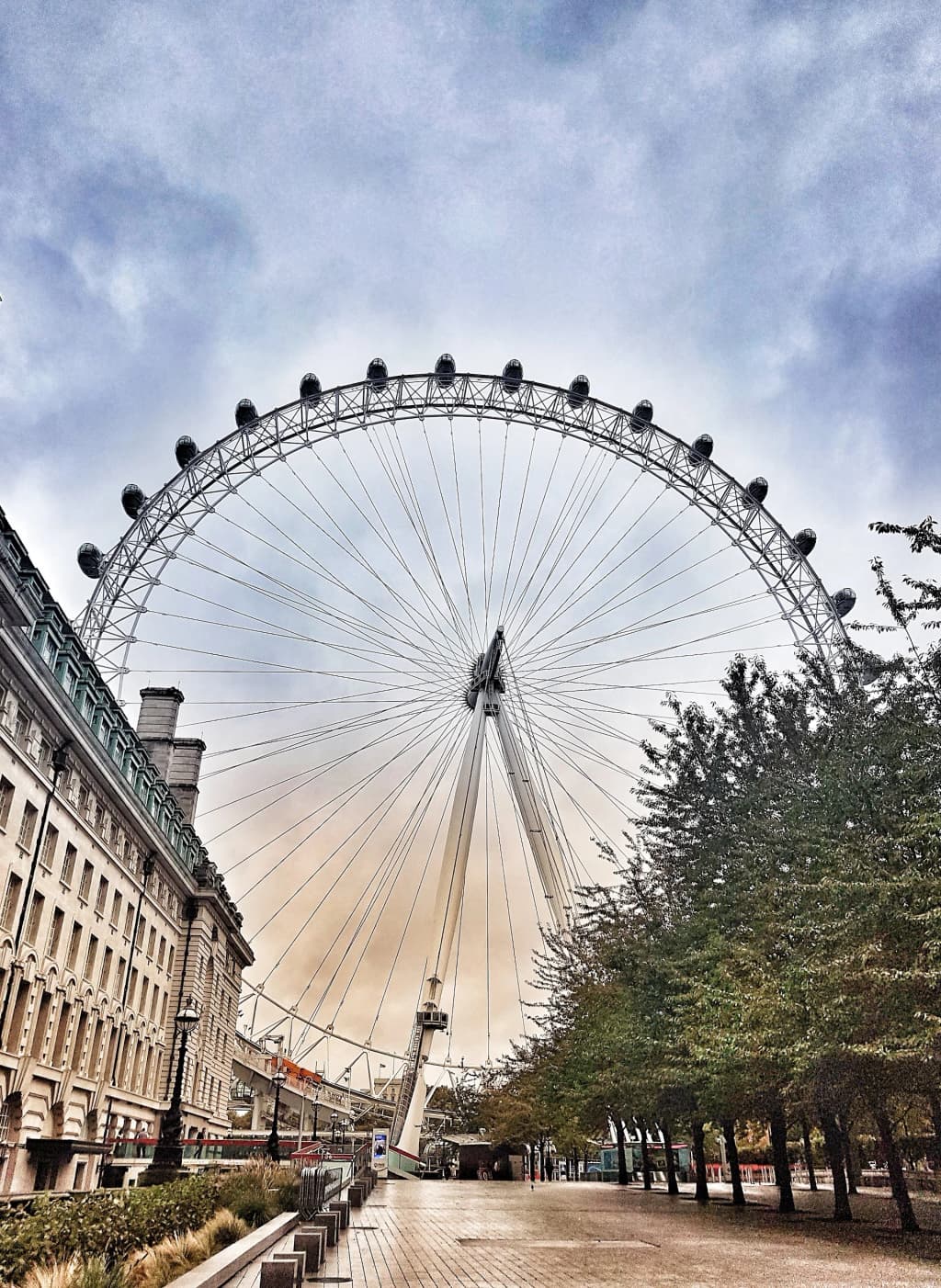
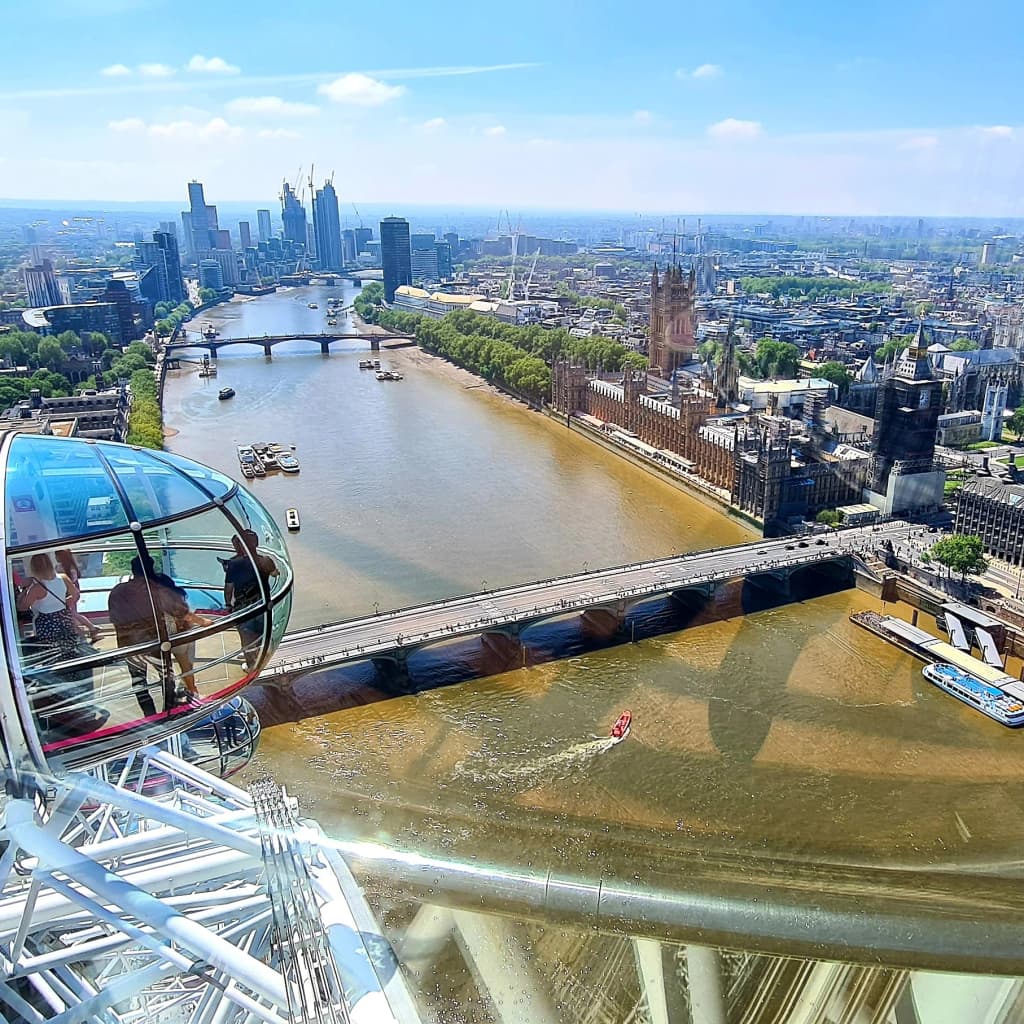
Tickets, I’ve learned, are a game of timing. The London Eye, for instance, is a marvel—its glass pods rising above the city, the Thames curling below like a silver ribbon. But buy your ticket online, in advance, and you’ll pay £29 instead of £42 at the last minute. That’s a hundred reais saved for a family, enough for another day’s adventure. The same goes for the grand museums of Paris or the palaces of Lisbon: check for free days, late-night openings, or city passes like the Lisboa Card or Paris Pass. These cards, bought for 24, 48, or 72 hours, open doors to dozens of attractions and let you skip the lines, your time and money both stretched further.
A guide in Madrid once winked at me, “The best things in the city? Sometimes they’re free. Walk with me, I’ll show you.” Free walking tours—where you pay what you wish at the end—have become my favorite way to meet a place. The stories, the laughter, the way a guide’s voice bounces off ancient stones. You learn more in an hour on foot than in a day behind glass.
Money itself is a puzzle. I remember the anxiety of exchanging cash at a fluorescent-lit booth, the rates shifting like quicksand, the fees piling up. Now, I use a multicurrency card—Wise, in my case—loading euros, pounds, or baht before I even leave home. The IOF is low, the rates fair, and I can pay for a tram in Brussels or a bowl of noodles in Bangkok with a tap. No more fumbling for coins, no more surprise charges. In over 160 countries, the card works as easily as at home, and I can withdraw cash if I need it, the machine humming and spitting out crisp bills.
A shopkeeper in Porto grins as I pay for a pastel de nata. “No cash? No problem. The world is changing, my friend.”
Flights are the biggest leap. I start watching prices months ahead, setting alerts, learning the rhythm of the market. Low-cost airlines tempt with their siren song, but I read the fine print—luggage, seat selection, the distant airports that turn a cheap ticket into a long, expensive journey. If I must check a bag, I pay in advance. If I can travel light, I do. And always, I weigh the cost of time against the price of a ticket.
Accommodation, too, is a dance. A hostel with a kitchen, a small apartment near a metro stop, a hotel with breakfast included—each has its place. Sometimes, staying farther from the center saves money, but only if the trains run late and the buses are reliable. I do the math, balancing comfort, convenience, and cost. Booking with a multicurrency card means no surprises when the bill arrives, just the memory of a good night’s sleep.
The best days, though, are often the cheapest. Wandering through a city park in Brussels, the grass cool beneath my feet, the air alive with birdsong and the distant chime of a tram. Or a beach in Portugal, the sun warm on my skin, the salt drying on my lips. These moments cost nothing, yet they linger longest. Public transport, a sturdy pair of shoes, and a willingness to get lost—these are the tools of the true traveler.
A Thai vendor once handed me a bag of mango sticky rice, the sweet coconut scent rising in the humid air. “You travel smart,” she said, nodding at my battered backpack. “You see more this way.”
Shopping, too, is a matter of intention. Electronics in Bangkok, textiles in Indonesia, chocolate in Belgium—each place has its treasures, but I check the rules, the limits, the tax refunds for tourists. Receipts tucked safely away, I savor the hunt but never let it become the purpose.
In the end, it’s information that saves you most. The more you know, the more you see—the hidden corners, the local haunts, the festivals and free days that never make the guidebooks. I read blogs, follow travelers, ask questions. I listen. And I share, hoping my stories help someone else find their way.
As dusk falls over the city—any city—I find a quiet spot, the world humming around me. The day’s coins jingle in my pocket, but it’s the memories that feel richest. Travel, after all, is not about how much you spend, but how deeply you live each moment. And that, I’ve learned, is always within reach.
More Photos
More Adventures
 $100 - $350/day 7-14 days
 The Art of the Journey: Finding True Value in Global Travel
Discover how to navigate global travel economies, from the affordable charm of Lisbon to the culinary riches of Peru, without sacrificing cultural immersion.
 $80 - $250/day 4-7 days
 The Quiet Art of Experiencing Paris on a Budget
Discover how to experience the romance of Paris without breaking the bank, from secret bakery rituals to navigating the city's economic rhythms.
 $120 - $350/day 2-3 days
 Disneyland Paris Strategy: Ride Hacks & Coaster Secrets
Think you know Disney? Think again. Discover the underground secrets, massive coasters, and insider hacks to conquer Disneyland Paris like a pro.
 $50 - $120/day 3-5 days
 Chasing Echoes and Gold Dust in Tiradentes, Brazil
Experience Tiradentes, Brazil through a sensory journey of colonial architecture, deep-rooted history, and the rich culinary traditions of Minas Gerais.