
The Ultimate Iguazu Falls Itinerary: Brazil, Argentina & Paraguay
Master the Iguazu Falls tri-border region with this highly methodical guide. Compare the Brazil and Argentina sides, optimize border crossings, and save money.
Planning a trip to Iguazu Falls means solving a complex tri-border puzzle across Brazil, Argentina, and Paraguay. If you want to see the world's largest waterfall system, spot rescued toucans, and score tax-free electronics without wasting hours at border crossings, you need a methodical plan. Here is your step-by-step guide to conquering the Foz do Iguaçu region efficiently, affordably, and without a single wasted hour.
Quick Facts & Trip Logistics
Before you book anything, let's get your logistical baseline established.
- Best Time to Visit: March to May or September to November. Arrive at the parks right at opening (usually 8:00 AM) to beat the midday heat and tour bus crowds.
- Budget Range: $80 - $250 USD per day. Expect $80 for basic hotels and public buses, and $250+ if you add helicopter flights and premium boat safaris.
- Duration Needed: 4 full days. Do not try to compress three countries into a single weekend.
- Basecamp: Foz do Iguaçu (Brazil side). Booking a hotel like the Vivaz Resort puts you within 15 minutes of the airport, the falls, and the Bird Park, severely cutting down your daily transit times.
The Great Debate: Brazil vs. Argentina Side
Do you need to see both sides? The short answer is an absolute yes. They offer completely different experiences. The Brazilian side gives you the grand panoramic postcard view, while the Argentine side gets you up close and personal with the raw power of the water.
Feature Brazil Side Argentina Side Best For Trail Length 1.2 km (Single path) 5+ km (3 main circuits) Panoramic photos Time Needed 3-4 Hours 6-8 Hours (Full Day) Deep exploration Key Highlight Helicopter tours Devil's Throat Getting soaked Transport Park buses Ecological Train Up-close views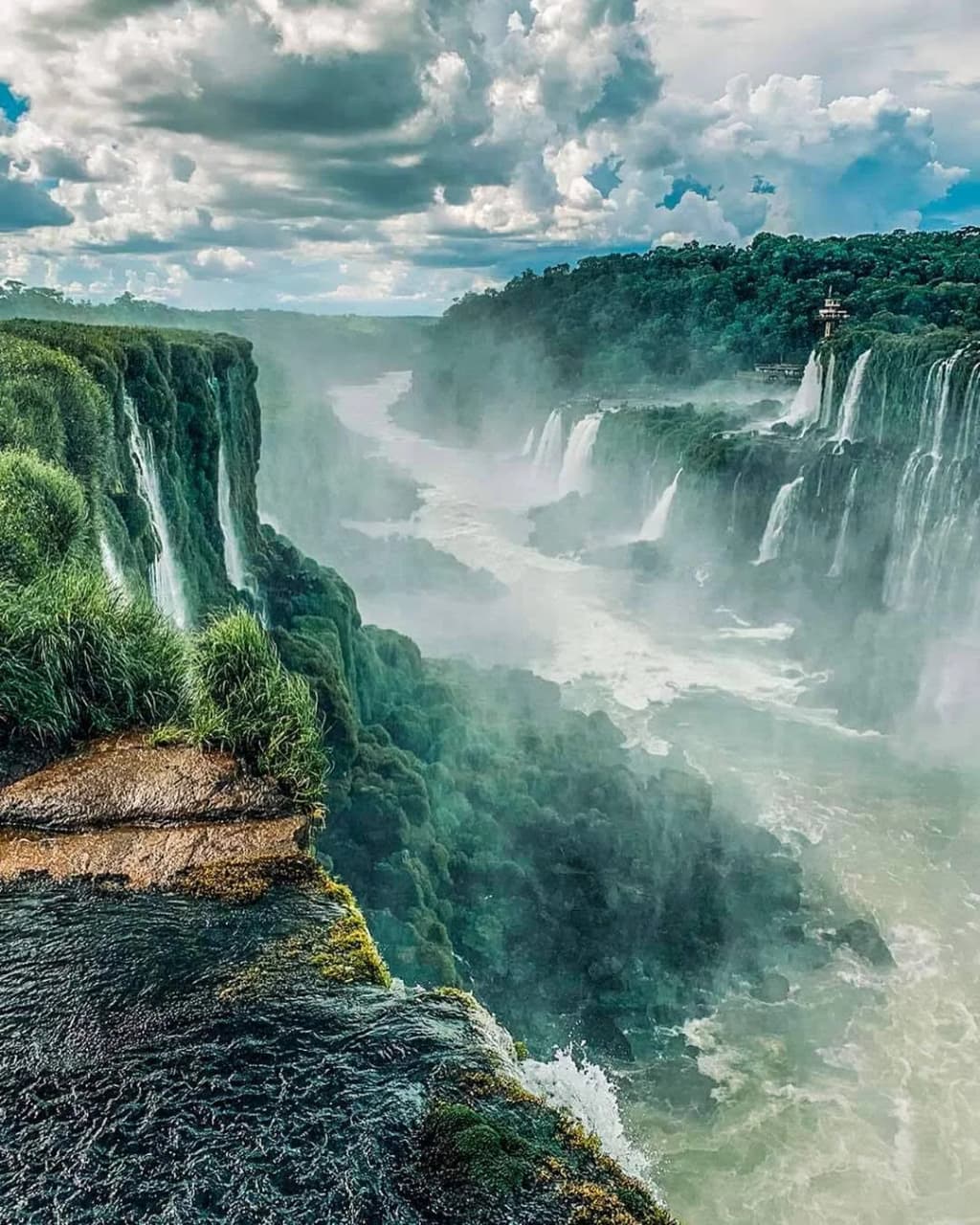
Conquering the Argentina Side (Full Day Strategy)
Expect a 30 to 40-minute drive (roughly 25 km) from Foz do Iguaçu to the Argentine National Park. Border traffic can easily add 45 minutes to this transit time.
⚠️ Watch Out: To cross the Argentine border, you must present a physical passport or a valid Mercosur ID card issued less than 10 years ago. Digital IDs or driver's licenses will be rejected at the checkpoint.
The Argentine side is massive and is divided into three main circuits. Tackle them in this exact sequence for maximum efficiency:
- Garganta del Diablo (Devil's Throat): Take the 8:30 AM ecological train for 30 minutes to the final station. Walk the 1,100-meter flat metal walkway over the river. Do this first before the 11:00 AM tour groups arrive.
- Superior Circuit: A 1,750-meter flat trail offering top-down views of the falls. Budget 1.5 hours.
- Inferior Circuit: A 1,400-meter lower trail where you view the falls from the bottom up. Budget 2 hours.
Pro Tip: If you want to split the massive Argentine side into two days, validate your ticket at the exit window on Day 1. You will receive a 50% discount on your consecutive Day 2 entry.
Maximizing the Brazil Side (Half Day)
The Brazilian Parque Nacional do Iguaçu is highly structured and pristine. The main trail is a straightforward 1,200-meter paved path loaded with observation decks. You will witness a flow rate averaging 1.5 million liters of water per second across 270 individual falls spanning 2,780 meters in width.
Since the main trail only takes about 2 hours, allocate your afternoon to these high-adrenaline add-ons:
- Macuco Safari ($70-$80 USD): A 2-hour adventure starting with a 3 km electric cart ride, a 600-meter jungle walk, and a twin-engine boat ride straight into the rapids. You will get completely soaked. Rent a park locker ($3 USD) for your valuables.
- Helicopter Flights ($120-$150 USD): Drones are strictly prohibited in both parks. For aerial views, book a 10-minute helicopter flight on the Brazilian side for unmatched perspectives of the gorge.
Beyond the Falls: Wildlife, Culture & Engineering
You haven't finished Foz do Iguaçu until you've seen its secondary attractions. Group these geographically to minimize your Uber or taxi costs.
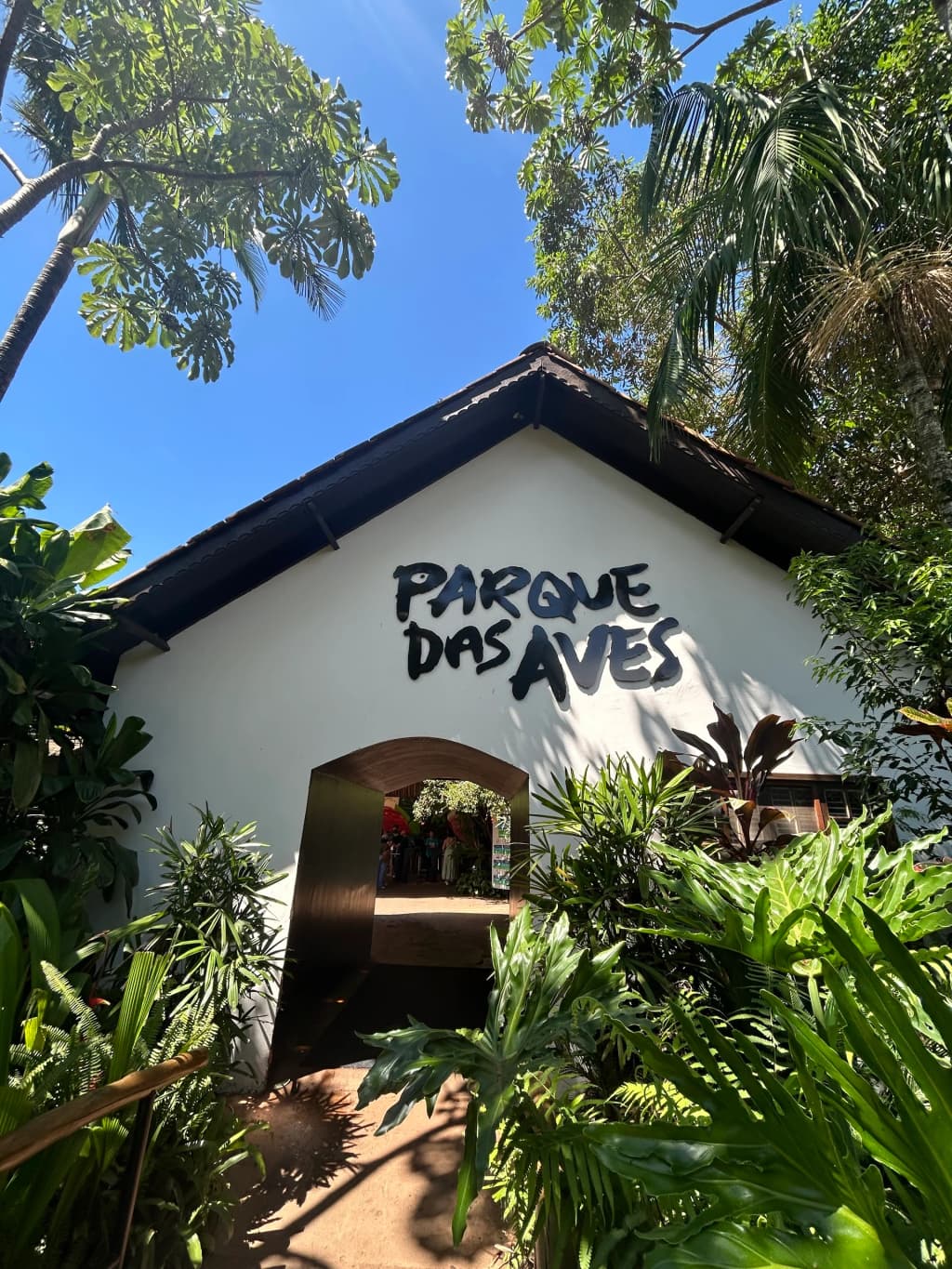
1. Parque das Aves (The Bird Park) Located 300 meters from the Brazilian Falls entrance, this is the second most visited attraction in Foz.
- The Stats: 16 hectares of Atlantic Forest housing over 1,300 birds from 130 species.
- The Mission: Over 50% of these birds are rescued from animal trafficking or mistreatment and cannot be returned to the wild.
- The Plan: Walk the 1.5 km trail. Budget 1.5 to 2 hours. Arrive at 8:30 AM when the toucans and macaws are most active.
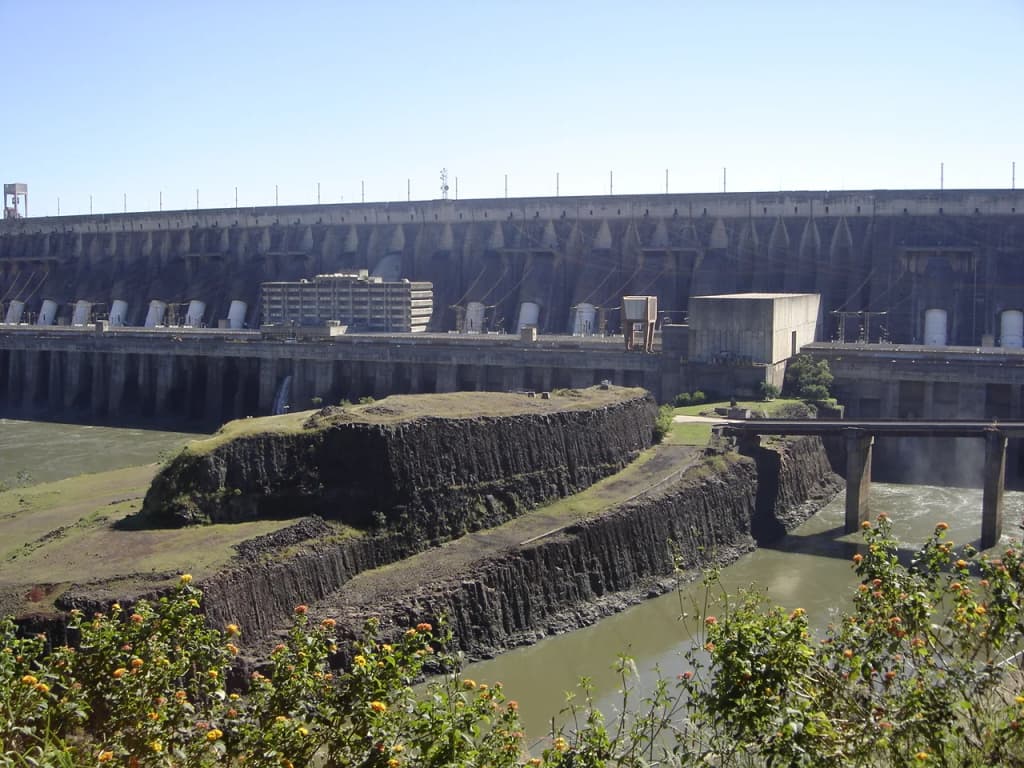
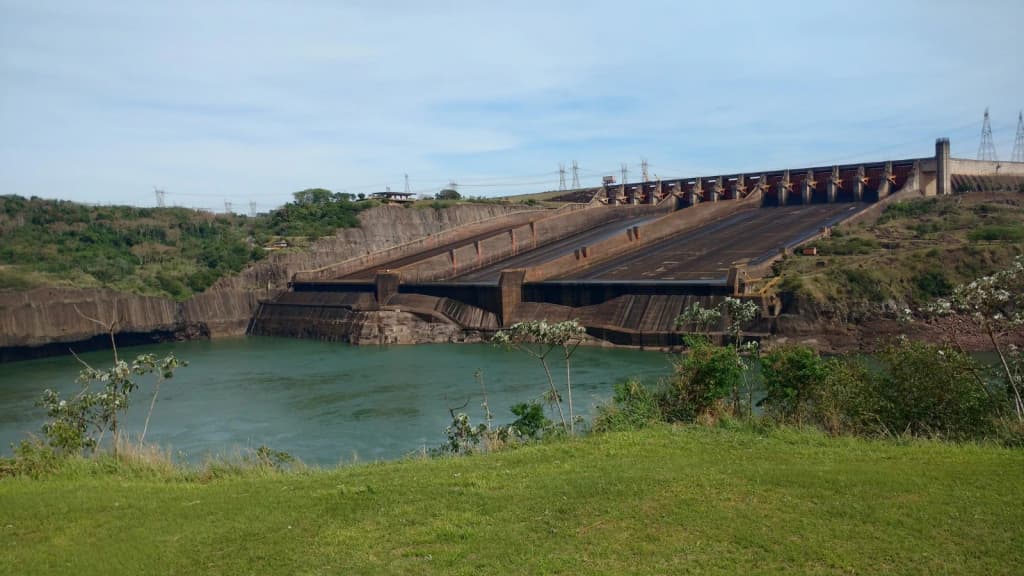
2. Itaipu Dam A marvel of modern engineering on the Paraná River, located 20 km north of the city center.
- The Scale: 196 meters high (equivalent to a 65-story building) and almost 8 km long.
- The Output: 20 generator units producing 14,000 megawatts. It supplies 17% of Brazil's energy and 80% of Paraguay's.
- The Tour: Book the 2-hour Panoramic Tour ($10 USD). The sheer scale of the concrete infrastructure is staggering.
3. Cultural Stops
- Buddhist Temple: Free entry (Tuesday-Sunday, 9:00 AM - 4:30 PM). Features 120 statues, including a 7-meter tall Buddha, and offers a quiet, elevated view of Foz and Paraguay.
- Marco das Três Fronteiras: Arrive at 6:00 PM to watch the sunset over the confluence of the Iguazu and Paraná rivers. Stay for the 7:00 PM cultural dance show celebrating Brazilian Samba, Argentine Tango, and Paraguayan Polka. Entry is roughly $10 USD.
Cross-Border Shopping in Paraguay
Crossing the Friendship Bridge into Ciudad del Este, Paraguay, is a primary reason many visit Foz. Optimize your time by skipping the chaotic street stalls and heading straight to Shopping China.
- Inventory: Over 220,000 imported products in a massive, air-conditioned complex.
- Best Deals: Electronics (Apple products, DJI drones) and imported perfumes often cost 30% to 50% less than in Brazil.
- Logistics: Cross the border by 7:00 AM to avoid bridge traffic. Finish your shopping and head back to Brazil by 1:00 PM before the afternoon rush hour gridlocks the bridge.
Common Mistakes to Avoid
- Feeding the Coatis: These raccoon-like animals roam the parks. Do not feed them. They carry diseases, possess sharp claws, and will aggressively tear into your backpack for food.
- Underestimating the Mist: The boat rides and the falls themselves generate heavy, continuous mist. Bring a 10L dry bag for your camera and buy a $2 waterproof phone pouch. A reusable rain poncho is a mandatory packing list item.
- Cramming the Itinerary: Do not attempt the Argentine Falls and Paraguay shopping on the same day. Border crossing times fluctuate wildly from 15 minutes to 2 hours. Allocate one full day per country.
Practical Closing & Next Steps
Executing a trip to Iguazu Falls requires methodical planning, but the return on investment is massive. You get access to one of the most biodiverse and visually impressive regions on the planet.
Your Next Steps:
- Check your passport expiration date (it must be valid for at least 6 months).
- Book your Foz do Iguaçu basecamp hotel.
- Purchase your Brazilian and Argentine national park tickets online in advance to skip the entry lines.
More Photos
More Adventures
 $40 - $80/day 4-6 days
 Forget the Beaches: Why Curitiba is Brazil's Ultimate Adventure
Skip the crowded tourist traps. Discover Curitiba, Brazil's green capital, featuring gravity-defying architecture, epic train rides, and budget thrills.
 $50 - $120/day 4-7 days
 Sensory Buenos Aires: Smoke, Stone, and Neon Lights
Immerse yourself in Buenos Aires. Experience the contrasts from the smoky grills of San Telmo to the neon-drenched pizzerias of Avenida Corrientes.
 $50 - $150/day 3-5 days
 Tango, Steak, and Rivalries: A Buenos Aires Story
Experience the soul of Buenos Aires. From the colorful streets of Caminito to the modern elegance of Puerto Madero, discover where to eat, walk, and explore.
 $40 - $120/day 3-5 days
 A Sensory Walking Tour Through Central Buenos Aires
Experience the historic heart of Buenos Aires on a sensory walking tour. Taste medialunas at Café Tortoni and explore the bustling San Telmo Market.