
Liguria: A Dialogue Between Stone and Salt
A sensory journey through Liguria, from the vertical vineyards of Cinque Terre to the marble alleys of Genoa. Discover the Italian Riviera beyond the postcards.
The smell hits you first. It isn't just the sea; it is a complex, heavy scent of charcoal smoke, frying garlic, and the sweet, resinous aroma of sun-baked pine needles. The old man behind the focaccia cart in the station doesn't look up as he slices a slab of onion-topped bread, wrapping it in oil-stained paper. The train whistle screams, echoing off the sheer cliff face that looms directly behind the platform.
The train rattles along the coast, slicing through tunnels and bursting back into the blinding Mediterranean light. This isn't the rolling, gentle Tuscany of the guidebooks. This is a hard land, a vertical world where gravity is a constant adversary and beauty is born from a centuries-old struggle between the rock and the water.
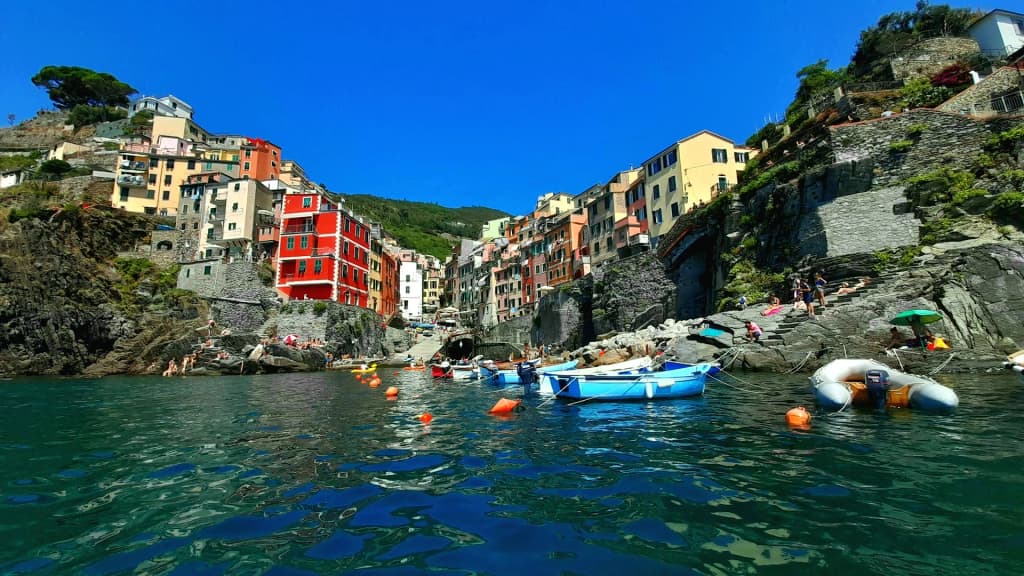
I step off the train in Manarola, one of the five villages that make up the Cinque Terre. The heat is physical, a weight on the shoulders, but the view demands you forget the discomfort. The houses are a chaotic tumble of pastel—ochre, pink, and burnt orange—clinging to the black rock like barnacles. I start the climb toward the vineyards. You cannot understand this place from the bottom; you have to earn it with your legs.
The trails here, connecting villages like Vernazza and Corniglia, are narrow arteries pumped full of hikers. But if you step aside, just for a moment, you see the real engineering miracle: dry stone walls, thousands of kilometers of them if laid end-to-end, holding up the earth.
"You are looking at the wine, but you should look at the wall," a voice says. I turn to see a man with skin the texture of walnut, pruning shears in hand. He sees me staring at the terraced grapes.
"It looks like a garden," I say.
He laughs, a dry, wheezing sound. "It is not a garden. It is a battle. The rain wants to wash the mountain into the sea. We build the walls to make it stay. The wine? The wine is just the blood of the mountain."
He hands me a small, unpolished grape. It tastes sharp and mineral. He wipes his forehead and gestures toward the station below. "Most people, they take the Cinque Terre Express. It is easy, yes? Eighteen euros for the card, trains all day, trekking included. But they miss the smell of the dust."
I take his advice and keep walking, sweating through the dust toward Monterosso, where the sea finally opens up into a wide, turquoise embrace.
Leaving the vertical drama of the five villages, I head north toward Genoa. If Cinque Terre is the face Liguria shows the world, Genoa is its soul. It is a city of stark contrasts. I lose myself immediately in the caruggi, the medieval alleyways so narrow that the sky is just a blue ribbon far above. It feels intimate, almost secretive. The air here is cool and smells of damp stone and fresh basil.
I emerge from the shadows of the old town into the blinding light of the Piazza De Ferrari. Suddenly, the grandeur of "La Superba"—the Superb One—is undeniable. The Palazzi dei Rolli, a collection of Renaissance palaces, stand as silent witnesses to a time when this city banked for kings. I slip into the Palazzo Rosso just as the afternoon heat peaks. The art inside is staggering, but it’s the view from the roof that captivates me: a sea of slate grey roofs tumbling down to the modern port, where massive cruise ships sit alongside gritty fishing trawlers.
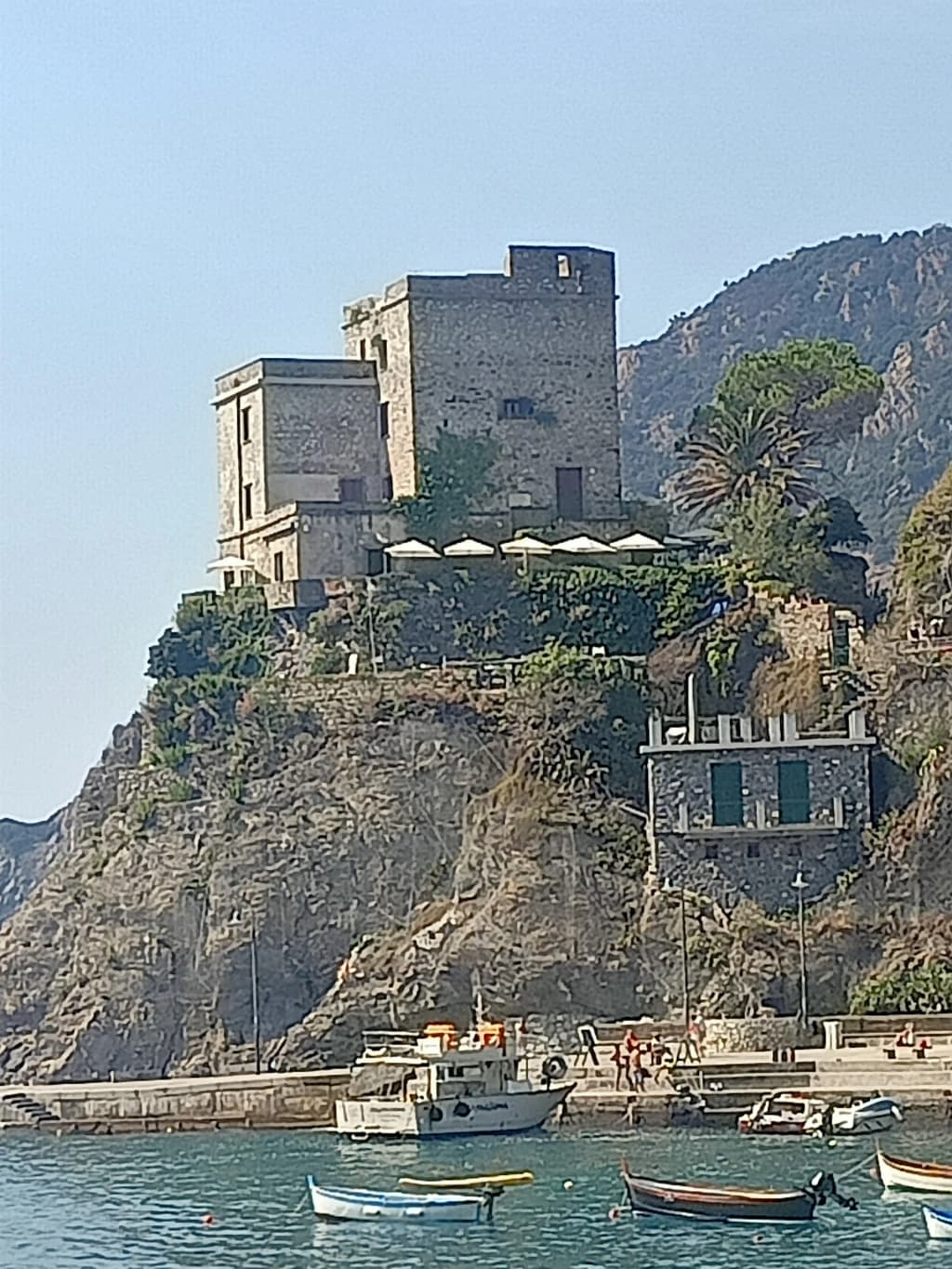
Heading east again, past the industrial grit of La Spezia—a necessary transport hub that surprises you with its own naval charm—the coast softens. I find myself in Portovenere. It feels different here, less frantic than the Cinque Terre. The Church of San Pietro sits on a rocky spur jutting into the sea, looking more like a fortress than a house of God. They call this the Gulf of Poets, and standing in the spray of the waves near Byron’s Grotto, it’s easy to see why the Romantics couldn't leave.
The sun begins to dip, turning the water a deep, bruising purple. I take a boat toward the small islands of Palmaria, Tino, and Tinetto. The engine hums, a low vibration that travels through the wooden bench. The captain, a young man with salt-bleached hair, cuts the engine to let us drift.
"See that?" he points to the horizon where the water meets the sky. "That is where the light changes. In Liguria, the light is always different. In the morning, silver. In the evening, gold."
The journey west takes me through a shifting landscape. The rugged cliffs give way to the elegance of the Riviera di Ponente. Sanremo feels like a grand old dame, slightly faded but still wearing her pearls. The "City of Flowers" lives up to its name, the air heavy with jasmine and salt. I wander through La Pigna, the old quarter, which spirals up the hill in a dizzying concentric circle of covered passages and stairways.
But for me, the true magic lies in the smaller, quiet corners. Camogli, on the eastern side, with its towering houses facing the sunset, feels lived-in and authentic. The beach is pebbled and hot, the focaccia is oily and salty, and the rhythm of life is dictated by the fishing boats, not the tour buses. Further west, the medieval village of Cervo clings to a hill overlooking the sea, dominated by a baroque church that seems too large for such a tiny place. A violin recital is practicing inside, the music drifting out over the square where I sit with a glass of Pigato white wine.
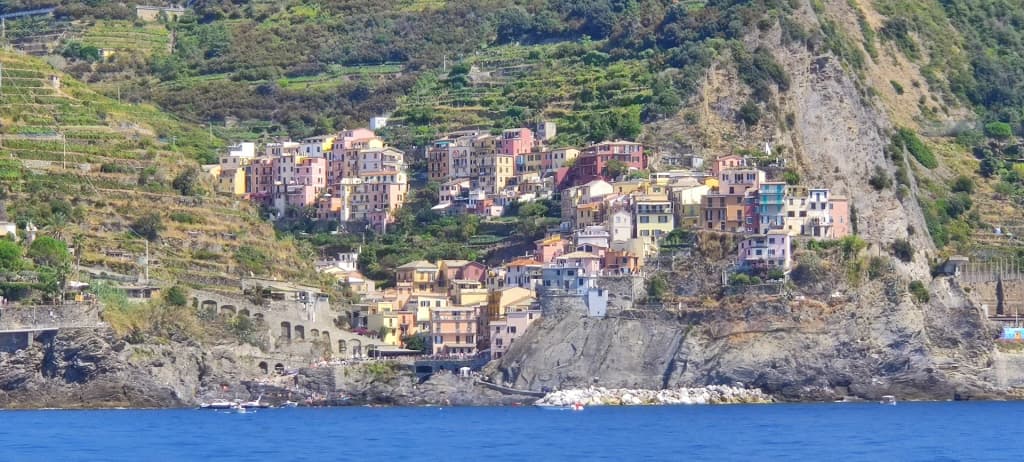
I end my trip in Alassio, walking along the Muretto, the famous wall adorned with ceramic tiles signed by Hemingway and Chaplin. The sand here is fine and golden, a luxury in a region of rocks. The sun is setting now, casting long shadows across the beach. Liguria is not an easy place. It requires you to climb, to walk, to navigate narrow spaces and crowded trains. But as I watch the lights flicker on in the hills, mirroring the stars above, I realize that the effort is the point. You don't just visit Liguria; you engage with it.
More Photos
More Adventures
 $50 - $150/day 5-10 days
 Finding the Rhythm of Bahia: From Porto Seguro to Trancoso
Experience the sensory magic of Brazil's Costa do Descobrimento, from the chaotic nightlife of Porto Seguro to the barefoot luxury of Trancoso's beaches.
 $40 - $80/day 2-4 days
 Boa Vista: Exploring the Amazon's Fan-Shaped Frontier City
Experience the unexpected beauty of Boa Vista, Roraima. Discover Macuxi indigenous crafts, the unique Lavrado biome, and sunset boat tours on the Rio Branco.
 $150 - $350/day 3-4 days
 Trancoso Travel Guide: 3-Day Itinerary & Budget Breakdown
Plan a practical 3-day trip to Trancoso, Brazil. Discover the best beaches, UTV tours to Praia do Espelho, and exact costs to optimize your travel budget.
 $100 - $350/day 5-7 days
 Ditch Your Shoes: The Ultimate Jericoacoara Adventure Guide
Skip the tourist traps. Rent an ATV, dive into Buraco Azul, and taste the wild side of Jericoacoara. Your ultimate adventure guide to Brazil's sandy paradise.