
Chasing White Ravens: An Off-Grid Escape to Urubici
Trade the digital world for off-grid cabins, towering rock walls, and slow, hearty meals in the high-altitude Brazilian mountain town of Urubici.
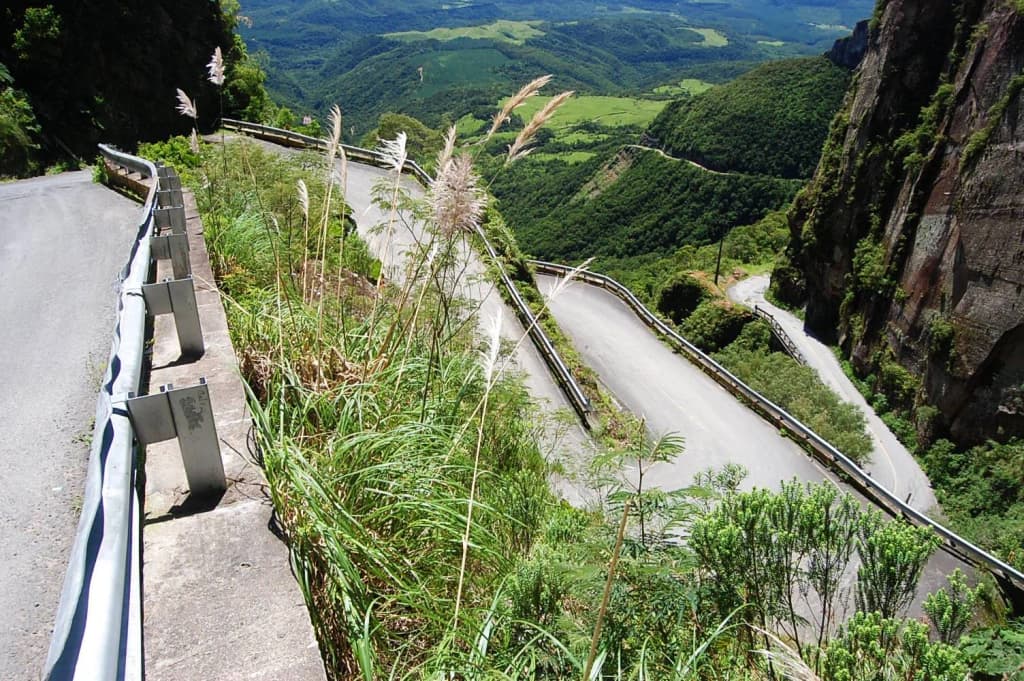
The rumble of the tires over broken asphalt vibrates straight through the steering wheel, a rhythmic thud that tells you exactly how far from the paved comforts of the coast we've wandered. We are climbing the Serra do Corvo Branco, a winding ribbon of road in Santa Catarina that feels less like a highway and more like a rugged, forgotten trail. The air pouring through the cracked windows carries the scent of dry dust and dense pine. Last time I attempted this drive, the fog was so thick it swallowed the hood of the car whole. Today, the sky is a piercing, unapologetic blue, revealing the massive, ancient rock faces that guard the entrance to the plateau.
"You wore shorts?" I ask, looking at my father as he steps out of the car and immediately shivers against the biting mountain wind.
He crosses his arms, bouncing on his heels to generate a little warmth. "I didn't think fifteen hundred meters up would feel quite this sharp," he admits, laughing as a gust whips past us.
We are standing at the crest of the pass, dwarfed by the sheer scale of the landscape. They cut straight through the stone here—a staggering ninety-meter vertical slice through the earth to let the road pass. It is the deepest rock cut in Brazil, and standing between these colossal walls, you feel impossibly small. The history of this place hangs heavy in the cold air. This was the very first road to connect the Santa Catarina coastline to the high plateau, a vital artery that brought life and trade into the interior. Locals will tell you that the name, Corvo Branco, comes from early inhabitants mistaking the majestic white plumage of the king vulture for white ravens. I scan the thermals rising off the cliffs, hoping to catch a glimpse of the legendary birds, but the sky belongs only to the sun today.
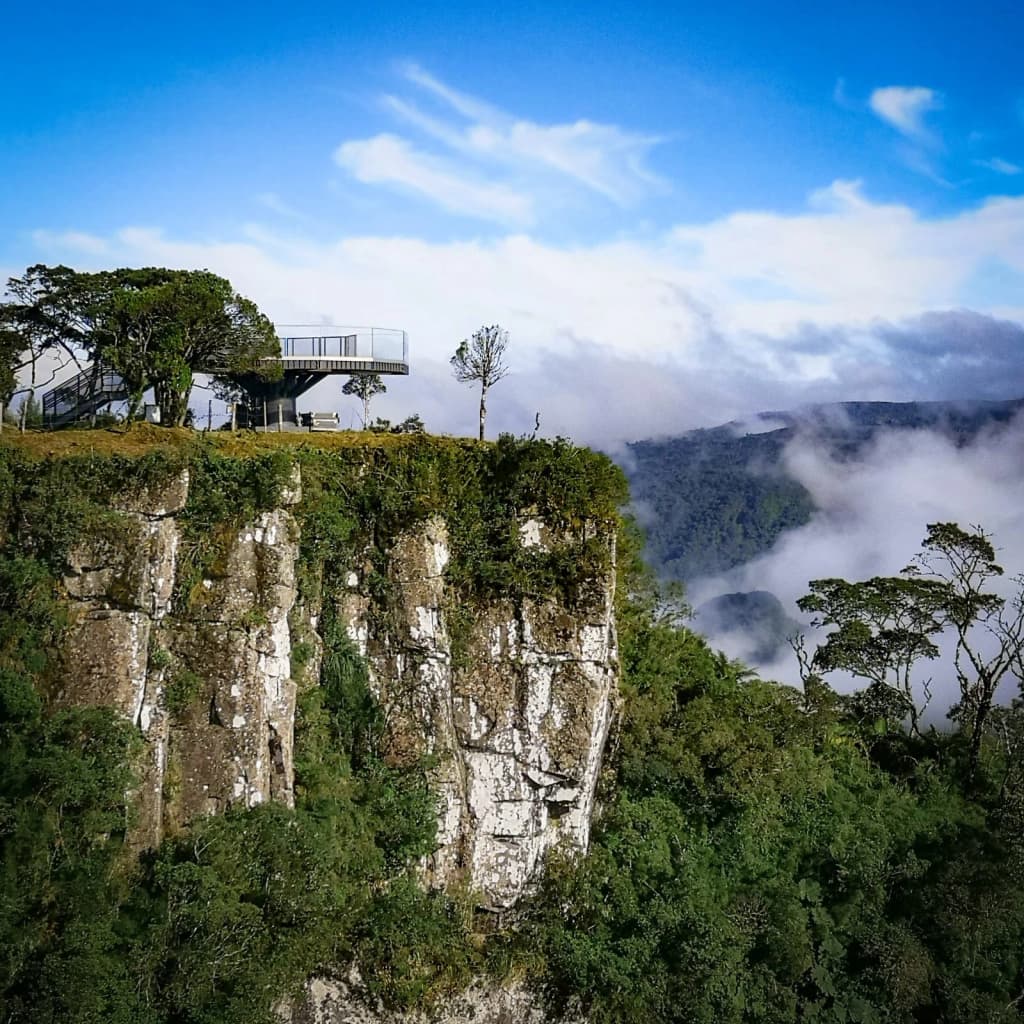
The descent into the valley is smoother, the jagged potholes giving way to dark, fresh asphalt that glides us toward the town of Urubici. The wildness of the high pass slowly softens into rolling agricultural land. Out the window, apple orchards blur past in flashes of electric green and deep crimson. The branches are heavy, sagging under the weight of the harvest. It's summer, yet the air retains a crisp edge. It is this unique microclimate—famous for harsh winter frosts—that makes this soil so incredibly fertile for root vegetables and sprawling apple farms.
By the time we reach the outskirts of town, the altitude and the cold have hollowed out our stomachs. We pull off the road at Paradouro Santo Antônio, a charming wooden restaurant that smells intensely of roasting meat and woodsmoke. The dining room is warm, filled with the clatter of silverware and the low hum of Portuguese. We order a feast meant for sharing. Plates of fresh, pan-seared trout arrive alongside thick cuts of beef, accompanied by a sprawling buffet of crisp, bitter greens, rich black beans simmering in clay pots, and polenta so warm and buttery it practically melts on the tongue. The salt and fat are exactly what you need after the thin, freezing air of the pass.
When the bill comes, it feels like a relic from another era. For a sprawling meal that leaves all four of us absolutely stuffed, plus local beers and coffees, the total comes to roughly sixty American dollars. We finish our meal with a thermos of strong, dark coffee we brewed ourselves before the drive, leaning against the car and letting the afternoon sun warm our backs before heading into the city center.
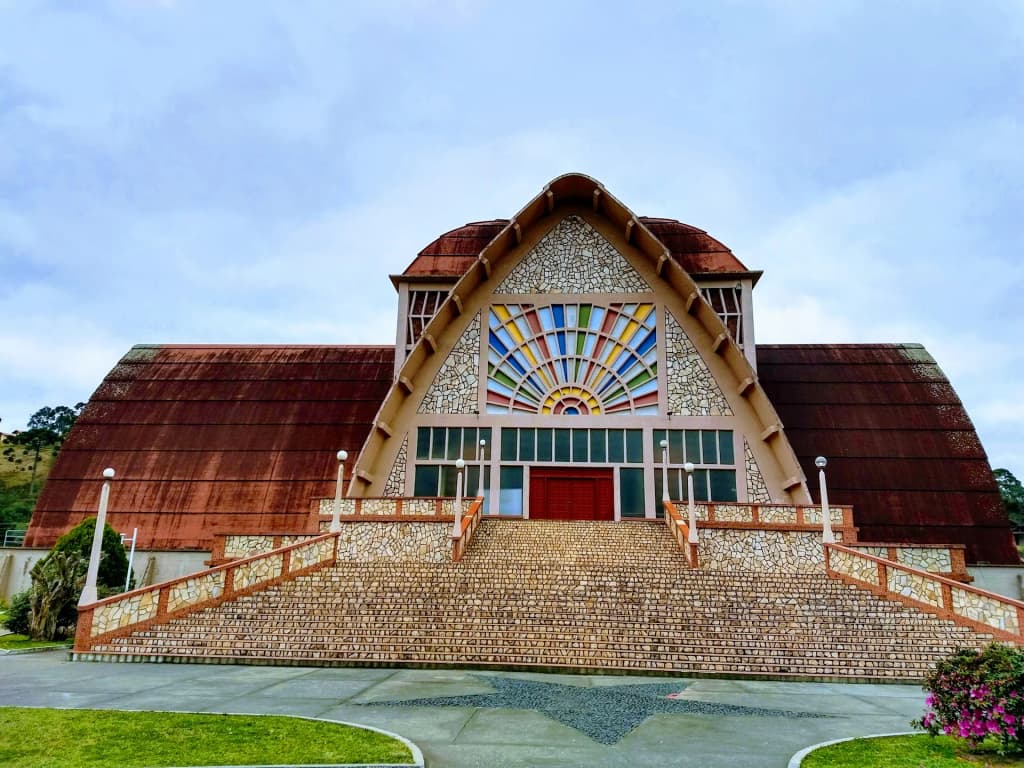
Urubici is a town of just ten thousand souls, essentially built along one long, stretching avenue. Yet, even in the heat of summer, it hums with the energy of travelers seeking refuge from the coastal humidity. We park near the Paróquia Nossa Senhora Mãe dos Homens, an architectural oddity that immediately commands your attention.
The church is built from raw brick, but its facade is adorned with intricate, colorful mosaics that catch the afternoon light, throwing fragments of color onto the pavement. It looks almost out of place in this quiet mountain town, yet deeply grounded. As we walk the perimeter, I think about the name of the town itself. Some historians claim Urubici comes from the junction of indigenous words, while local folklore insists it stems from an old conversation between two native men—one named Bici, who spotted a dead bird and shouted, "Uru, Bici!" Whatever the truth, the town feels undeniably rooted in the earth it sits upon.
By late afternoon, the shadows grow long, and we drive further into the hills to find our cabin. The road turns to dirt, winding through thick groves of towering Araucaria trees—the ancient, umbrella-like pines that define the southern Brazilian highlands.
The cabin reveals itself at the end of a long driveway, perched on a ridge with a sprawling wooden deck that overlooks the valley. It is completely off the grid, entirely powered by solar panels. Inside, the space is a beautiful clash of cultures—heavy, high-quality timber furniture sits alongside Mexican textiles and serene statues of Buddha.
"There's no signal up here," Paula says, holding her phone up to the window like a compass seeking north.
"Good," I reply, dropping my bags on the thick, plush rugs. "Let's leave them off."
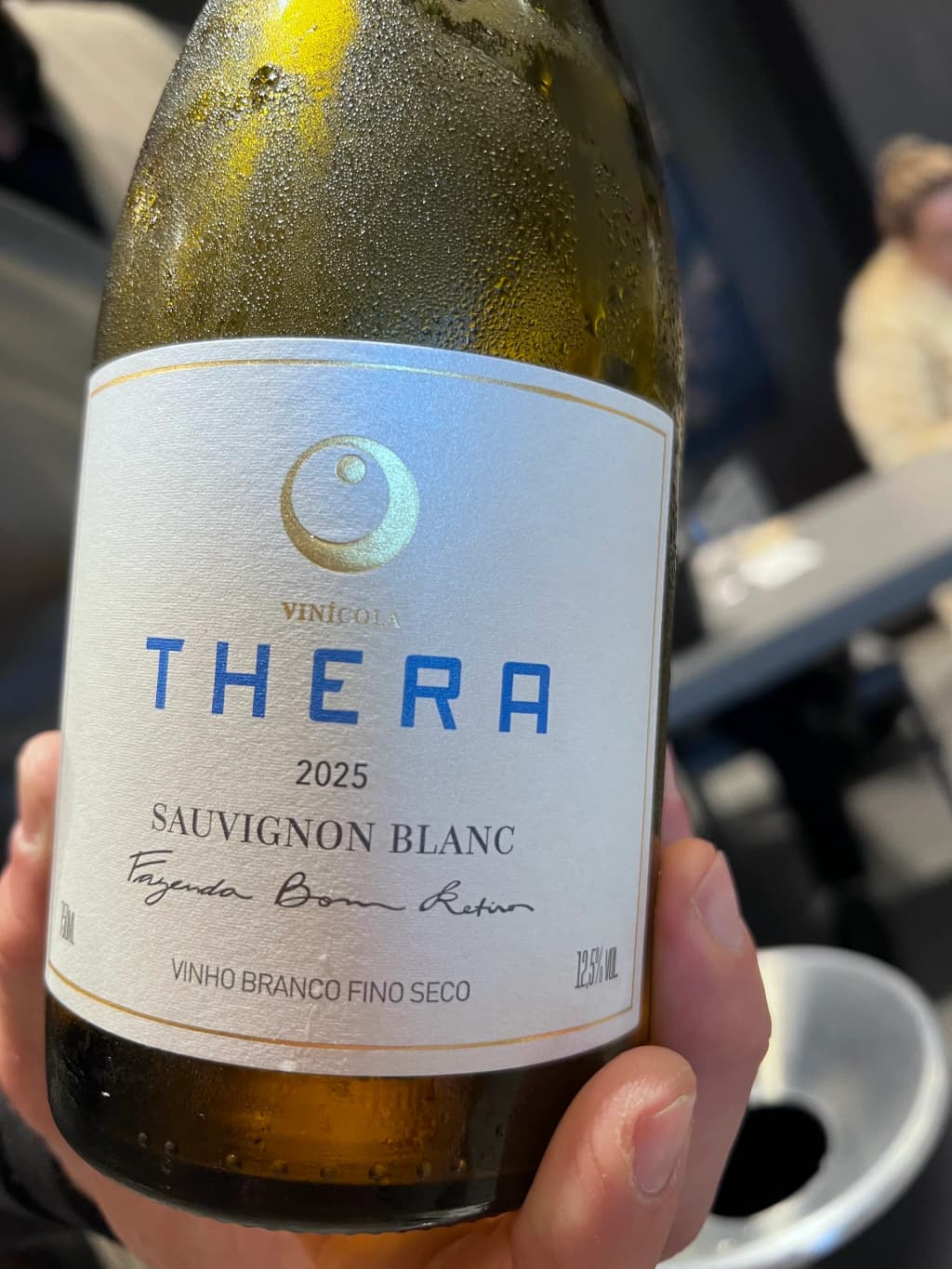
As the sun dips below the mountains, the temperature plummets. My father sets to work at the iron woodstove in the corner of the living room, the sharp crack of kindling soon giving way to the steady, comforting roar of a proper fire. The smell of burning wood fills the room, mingling with the sharp, earthy aroma of the Cabernet we've just uncorked. My mother lays out a spread of sharp local cheeses and cured meats on the heavy dining table. Without the constant ping of notifications or the temptation of the internet, the evening stretches out luxuriously. We talk, we drink, we watch the flames dance behind the glass of the stove, completely insulated from the rush of the world below.
Morning arrives not with an alarm, but with the deafening, rhythmic hum of mountain cicadas. I step out onto the massive wooden balcony, wrapping my hands around a steaming mug of black coffee. The air is violently cold, but the sun is just beginning to crest the peaks, throwing long, golden rays through the branches of the Araucarias.
We spent about one hundred and fifty dollars a night for this slice of absolute isolation. Looking out over the unbroken green canopy, listening to the pure, unadulterated sound of the forest, it feels like a steal. There is a specific kind of magic in places that force you to disconnect, that demand you pay attention to the fire, the food, and the people right in front of you. As we load the car to head back down the mountain, my boots crunching against the frosty gravel, I take one last deep breath of the pine-scented air, already missing the quiet.
More Photos
More Adventures
 $60 - $150/day 3-5 days
 Gramado and Canela: A 4-Day Guide to Brazil's Serra Gaúcha
Immerse yourself in Brazil's Serra Gaúcha. Discover the dramatic waterfalls of Canela, the chocolate-scented streets of Gramado, and rich European heritage.
 $60 - $150/day 3-5 days
 Get Lost in Bento Gonçalves: The Real Brazilian Wine Country
Skip the beaches. Rent a car and dive into Brazil's Italian wine country. Discover century-old mills, wild boar salami, and epic vineyards in Bento Gonçalves.
 $50 - $120/day 2-3 days
 Holambra: Finding a Slice of Holland in Tropical Brazil
Explore Holambra, Brazil's City of Flowers. Discover authentic Dutch immigrant history, towering windmills, flower fields, and a unique cultural fusion.
 $50 - $120/day 2-4 days
 Conquer Campos do Jordão: Brazil's High-Altitude Playground
Skip the beaches. Head up to Campos do Jordão for mountain biking, rugged trails, and massive alpine meals in Brazil's highest city.