
Beyond the Resorts: Finding the Pulse of Punta Cana
Trade the mega-resorts of Punta Cana for the local rhythms of Bavaro Beach, soaring above the Caribbean and sailing to the shores of Isla Saona.
The warm drops hit the windshield like drumbeats, blurring the Dominican landscape into a watercolor of deep greens and slate greys. March in Punta Cana is supposed to be dry, but the tropics have their own agenda. I wipe the condensation from the glass, watching the palm trees thrash against a bruised sky. Yet, when we finally pull up to the coastline, the Caribbean Sea defies the gloom entirely. It is an impossible, luminous turquoise, glowing from within even without the sun to ignite it. You learn quickly here that the weather is a living, breathing entity. The locals will tell you the best windows stretch from January to July, before the heavy hurricane season rolls in around September, bringing the thickest rains. But even in the downpour, the air is heavy with the smell of wet asphalt and sea salt, and the water is as warm as a drawn bath.
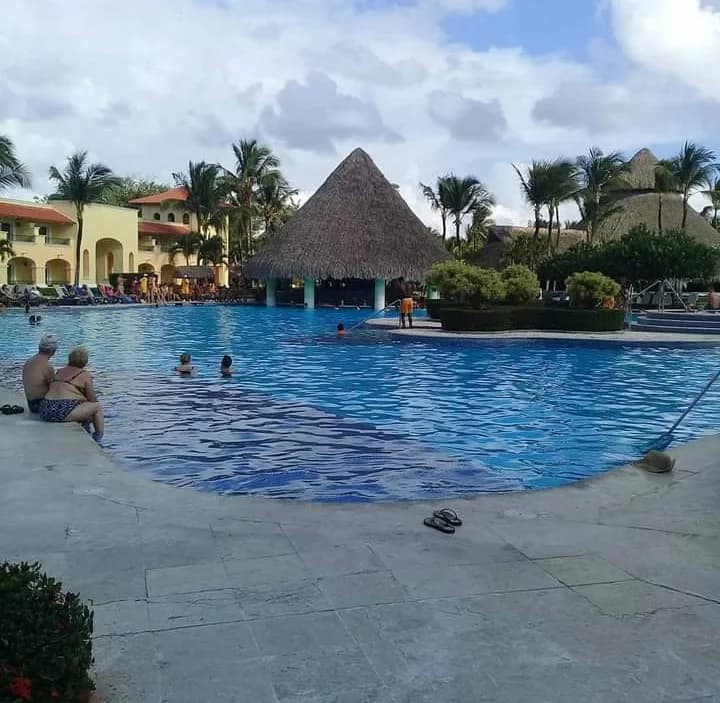
We spend our first few days cocooned in the sprawling, curated luxury of the Hard Rock Hotel. It is a world unto itself—endless buffets, clear pools, and a manicured version of paradise where your every whim is anticipated. But I always find myself itching for the seams of a place, where the polished veneer gives way to the chaotic, beautiful rhythm of everyday life. We trade the all-inclusive wristbands for a modest apartment in the heart of Bavaro. The shift is immediate and sensory. The air smells differently here, a heavy mix of roasting pork from a corner stand—a rich, fatty aroma that makes the mouth water—and the sharp, iodine tang of the ocean.
We are only a hundred meters from the public access path to Bavaro Beach, walking past tiny minimarkets and local eateries where the syncopated beat of bachata spills from crackling speakers. This is the Punta Cana that exists beyond the resort gates.
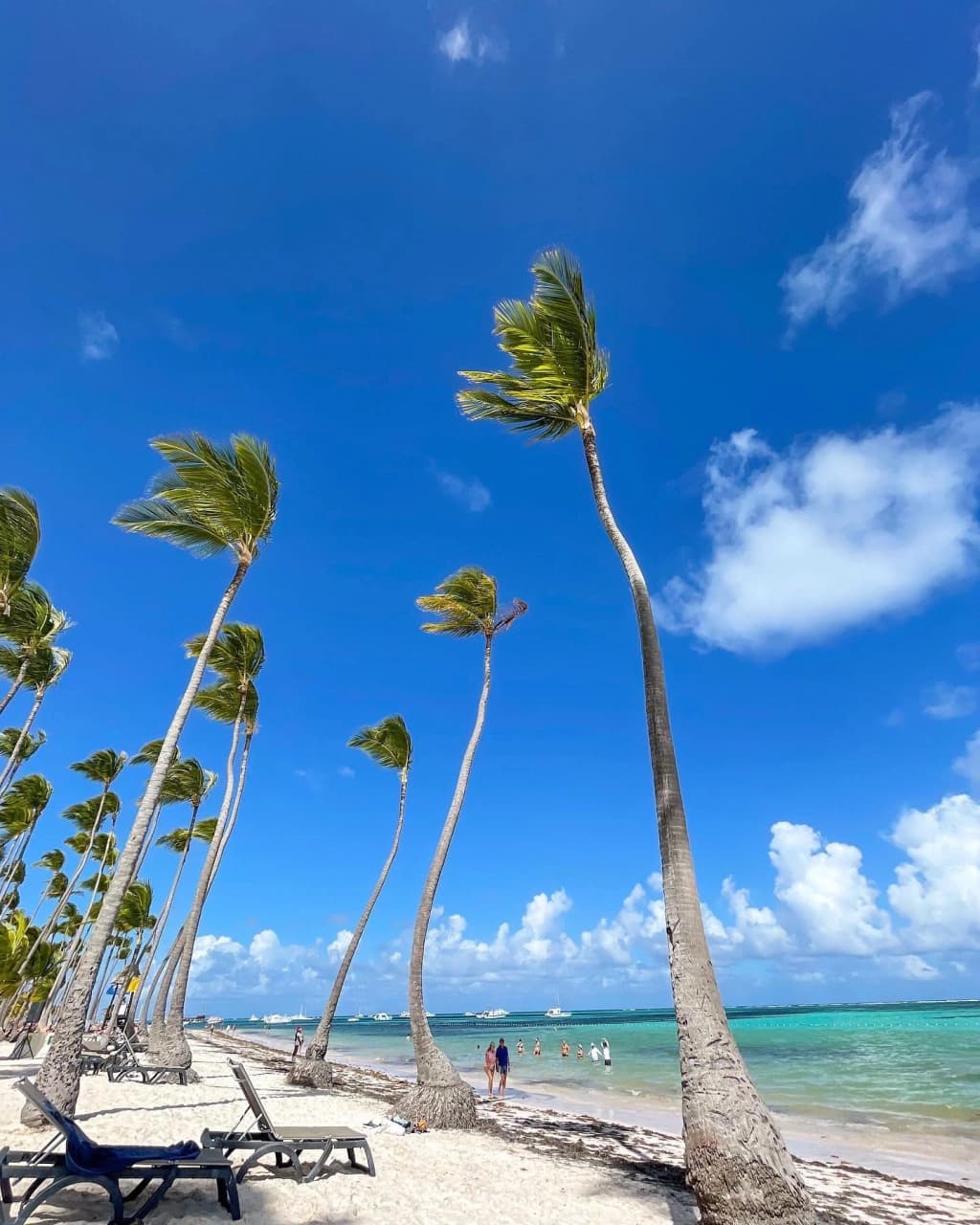
The sand at Bavaro is like powdered sugar beneath my bare feet. Because we are staying in an apartment, we seek out the quieter stretches, far from the booming animation teams of the mega-resorts. Here, families spread out on colorful sarongs, and a few enterprising locals offer plastic lounge chairs under the shade of leaning palms. The vibe is slow, deliberate, and entirely unpretentious.
A man with skin the color of polished mahogany approaches, holding a laminated pamphlet of water sports that has seen better days.
"You want to fly today, my friend?" he asks, pointing up at a bright yellow parachute suspended against the now-clearing sky.
"I prefer keeping my feet on the sand," I tell him, squinting against the fierce afternoon sun.
He laughs, a rich, booming sound that competes with the crashing waves. "The sand is good, but the sky is better. Ninety dollars for the two of you. I give you the best view in the Dominican Republic. Just wait thirty minutes for the boat."
The parasailing ride is exactly as he promised. The noise of the beach falls away, replaced by the rush of wind whistling past my ears and the endless expanse of blue. The heavy canvas harness digs slightly into my thighs, a grounding reminder of gravity as we float higher. From up here, you can see where the reef breaks the waves, turning the deep indigo of the ocean into a shallow, crystalline lagoon. But the true heart of this coastline lies further out.
The next morning, before the sun has fully baked the dew off the palm fronds, we are in a van headed south. We booked a transfer that picked us up right from our Airbnb, carrying us away from the resort-heavy north toward Bayahibe. This sleepy fishing village serves as the launching pad for Isla Saona, a name whispered with reverence by anyone who has visited this corner of the world.
Bayahibe is a riot of color and motion. Wooden boats painted in primary reds and blues bob in the gentle harbor, bumping against each other like restless horses. We board a catamaran, the engine rumbling to life beneath our feet, vibrating up through the deck. The journey is half the magic. Long before we reach the island, the captain drops anchor in a natural pool miles from the shore.
The water here is waist-deep and so clear you can count the ridges on the starfish resting quietly on the ocean floor. A crew member wades through the warm water, passing out plastic cups of dark Dominican rum mixed with sweet cola. The taste is sticky, potent, carrying the deep molasses notes of the island's sugarcane. We stand in the middle of the ocean, sipping rum, the sun beating down on our shoulders, entirely disconnected from the world we left behind.
When we finally reach Isla Saona, the sheer beauty of it stops you in your tracks. It is a postcard brought to life—a stretch of blinding white sand fringed by leaning coconut palms that seem to defy gravity, reaching out over the water as if trying to touch their own reflections. Lunch is a communal affair under thatched roofs: plates piled high with flaky, salt-crusted grilled fish, pigeon peas and rice, and ice-cold Presidente beer, all included in the day's passage.
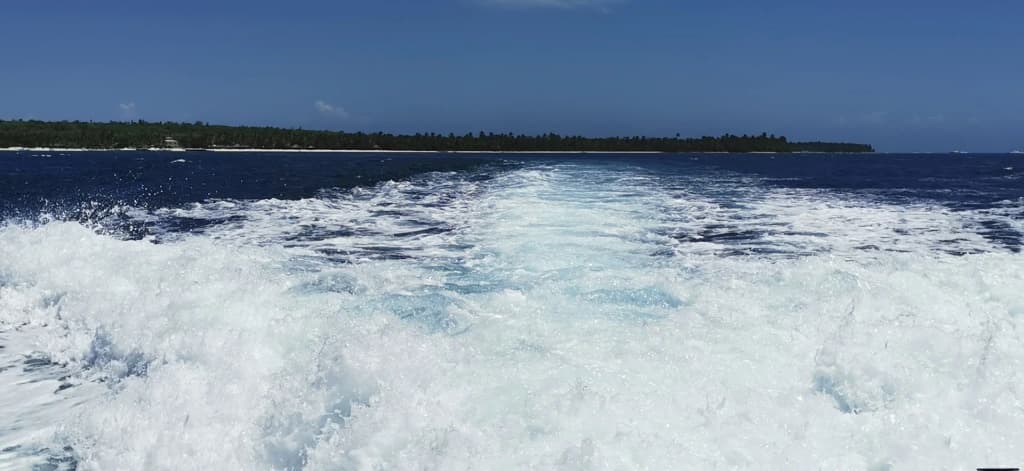
We wander down the shoreline, losing track of time, mesmerized by the rhythm of the tide and the absolute silence that exists just a few hundred yards away from the main dining area. The water is so still it looks like glass.
"We have to go," my companion says, breaking the spell, a note of panic in their voice.
I look at my watch. The boat is leaving in five minutes. We run down the beach, sand kicking up behind our heels, laughing as we scramble into the dinghy that will take us back to the main vessel. As the island shrinks to a green speck on the horizon, the taste of salt still fresh on my lips, I realize that this is the true luxury of travel. Not the thread count of the sheets or the endless buffets, but these stolen moments where time suspends itself, leaving you breathless, running toward a boat, desperate for just one more second in paradise.
More Photos
More Adventures
 $100 - $300/day 1-3 days
 Escape the Airport: Conquer Your Luanda Layover
Think a layover in Luanda means killing time at the airport? Think again. Discover the fortress, island sunsets, and the ultimate Angolan adventure.
 $60 - $200/day 4-7 days
 Between the Andes and the Ocean: Unraveling Santiago
Experience the striking contrasts of Santiago, Chile. Discover historic dive bars, the soaring Andes in Cajón del Maipo, and the colorful hills of Valparaíso.
 $40 - $80/day 2-4 days
 Boa Vista: Exploring the Amazon's Fan-Shaped Frontier City
Experience the unexpected beauty of Boa Vista, Roraima. Discover Macuxi indigenous crafts, the unique Lavrado biome, and sunset boat tours on the Rio Branco.
 $150 - $350/day 3-4 days
 Trancoso Travel Guide: 3-Day Itinerary & Budget Breakdown
Plan a practical 3-day trip to Trancoso, Brazil. Discover the best beaches, UTV tours to Praia do Espelho, and exact costs to optimize your travel budget.