
Ronda’s Dramatic Heights and the White Villages Below
Stone bridges, whitewashed villages, and tapas under ancient cliffs—Ronda and Setenil de las Bodegas are Andalusia at its most breathtaking and soulful.
The wind at the edge of the gorge is sharp, almost metallic, and it carries the scent of wild thyme and distant woodsmoke. I lean over the iron railing at the Paseo de Blas Infante, knuckles whitening, and the world drops away—hundreds of meters of sheer rock, the Guadalevín River a green thread far below. The Puente Nuevo arches across the abyss, impossibly grand, its stonework golden in the late morning sun. A couple beside me murmurs in Portuguese, their voices hushed by the scale of it all. “It’s like the city is floating,” the woman says, and I nod, unable to look away.
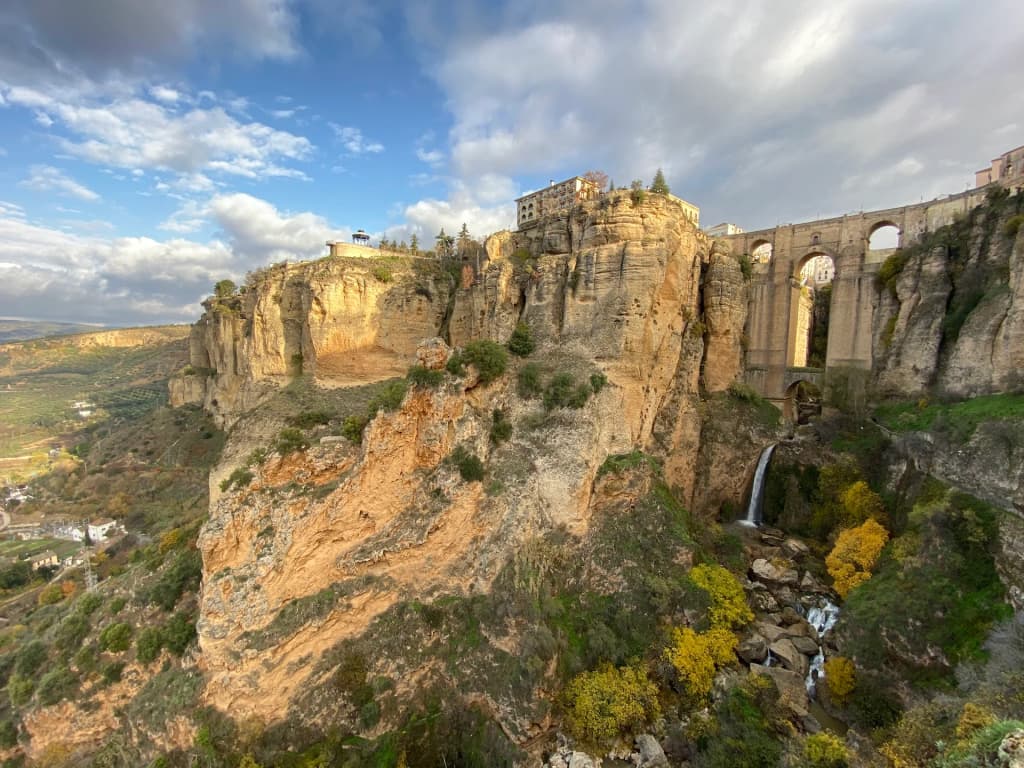
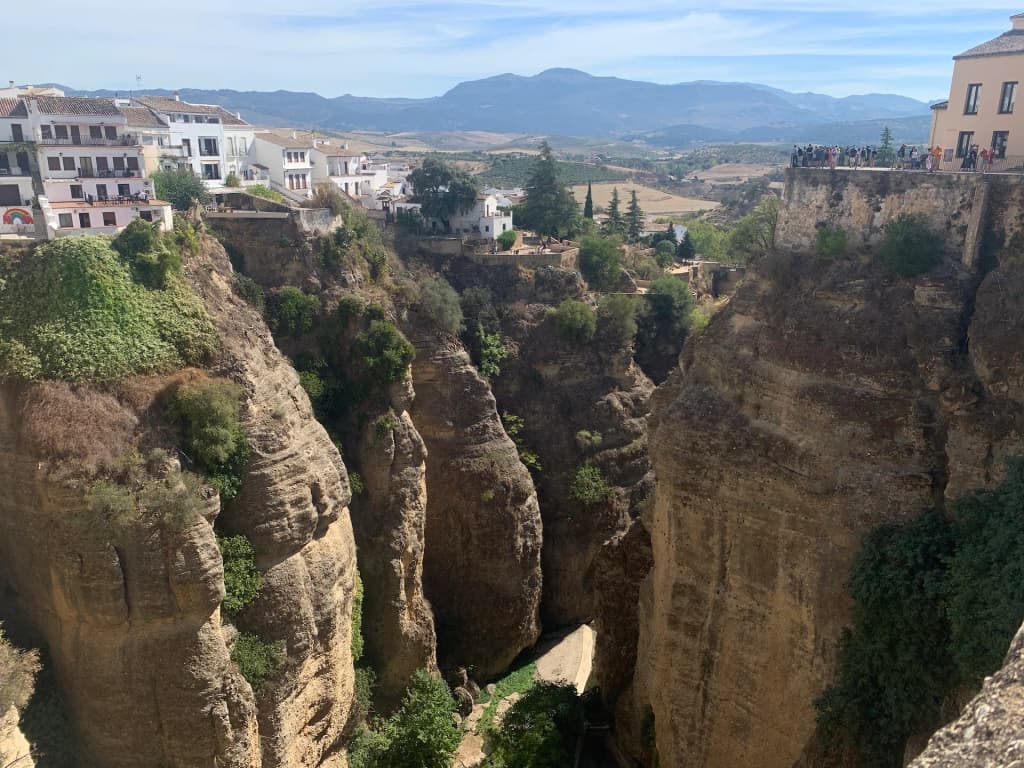
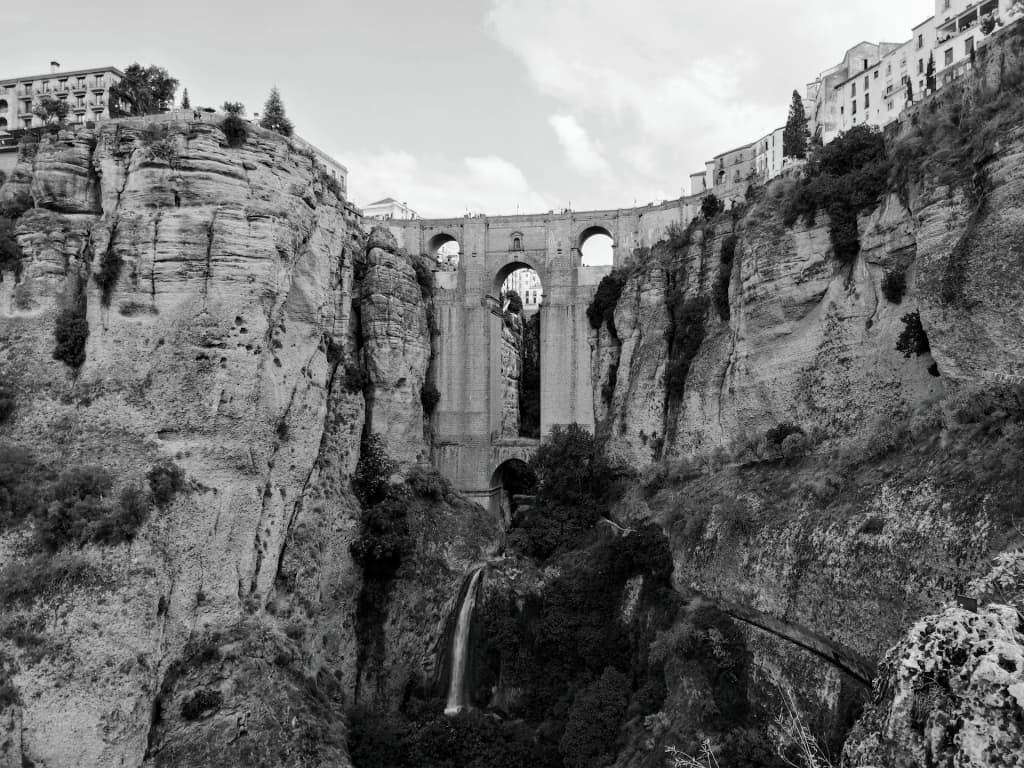
Ronda sits at 720 meters above sea level, a city split in two by a chasm so deep it seems to swallow sound. The old town and the new, joined by this bridge—Puente Nuevo, the city’s calling card, the image you’ve seen a hundred times but never really felt until you’re here, toes tingling with vertigo. The stone is warm under my hand, sun-baked and rough. I follow the path along the cliff’s edge, past the Plaza de Toros, where the bullfights still echo through the city’s bones. The arena is a circle of sand and shadow, its museum promising stories of matadors and tradition for nine euros—a price I weigh in my palm before moving on, content to linger outside, watching a local boy trace the outline of the bronze bull statue with his finger.
The Plaza de España is alive with the clatter of plates and the low hum of conversation. I cross the bridge, the city unfolding in layers—whitewashed walls, terracotta roofs, the distant blue of the mountains. From the mirador, the view is dizzying: the city perched on its rocky pedestal, the river glinting below, a tiny waterfall threading through the ruins. The air smells of dust and orange blossom. I meet an old man leaning on his cane, eyes fixed on the horizon. “You see those stones?” he says, pointing to the ancient walls crumbling into the gorge. “They’ve held us up for centuries.”
I ask him if he’s ever crossed the bridge at night. He smiles, a little wistful. “Only once, when I was young. The wind was stronger then.”
A short drive from Ronda, the road twists through olive groves and fields of wild poppies, the land rising and falling in soft green waves. Setenil de las Bodegas appears suddenly, tucked into the folds of the earth. Here, the houses are not just built on the rock—they are inside it. The main street, Cueva del Sol, is a ribbon of white facades pressed beneath a massive overhang of stone. The air is cool, almost damp, and the smell of frying garlic drifts from a bar wedged under the cliff.
We duck into a tapas bar, the ceiling so low I can touch the rock with my fingertips. The bartender slides a plate of croquetas across the counter—crisp, golden, filled with creamy jamón and a hint of nutmeg. There are mini hamburgers, too, and a bowl of patatas bravas, the sauce smoky and sharp. “You like?” he asks, watching for my reaction. I nod, mouth full, and he grins. “Every house here is cool in summer, warm in winter. The rock is our air conditioning.”
Outside, the sun blazes on the upper street, but here in the shadow of the cliff, it’s almost chilly. The two main streets—Cueva del Sol and Cueva de la Sombra—are named for their relationship to the sun, one bright and bustling, the other narrow and shaded, the air thick with the scent of damp stone and fresh bread. Cars squeeze through impossibly tight corners, horns blaring, and I press myself against a whitewashed wall, laughing with a woman carrying a basket of oranges. “It’s always like this,” she says, shaking her head. “We live between the rock and the sky.”
Setenil is one of the famed pueblos blancos, the white villages of Andalusia. The lime-washed walls gleam in the afternoon light, a tradition born of necessity and beauty—lime to keep the houses cool, to ward off mold, to reflect the fierce southern sun. The effect is dazzling, a patchwork of white and blue and green, the village spilling down the hillside like a handful of dice. I wander into a shop carved into the cliff, the ceiling rough and cold above my head, shelves lined with pottery and olive oil. The shopkeeper tells me the lime is cheap, but it’s also a kind of magic. “It keeps the houses alive,” she says, “and the tourists coming.”
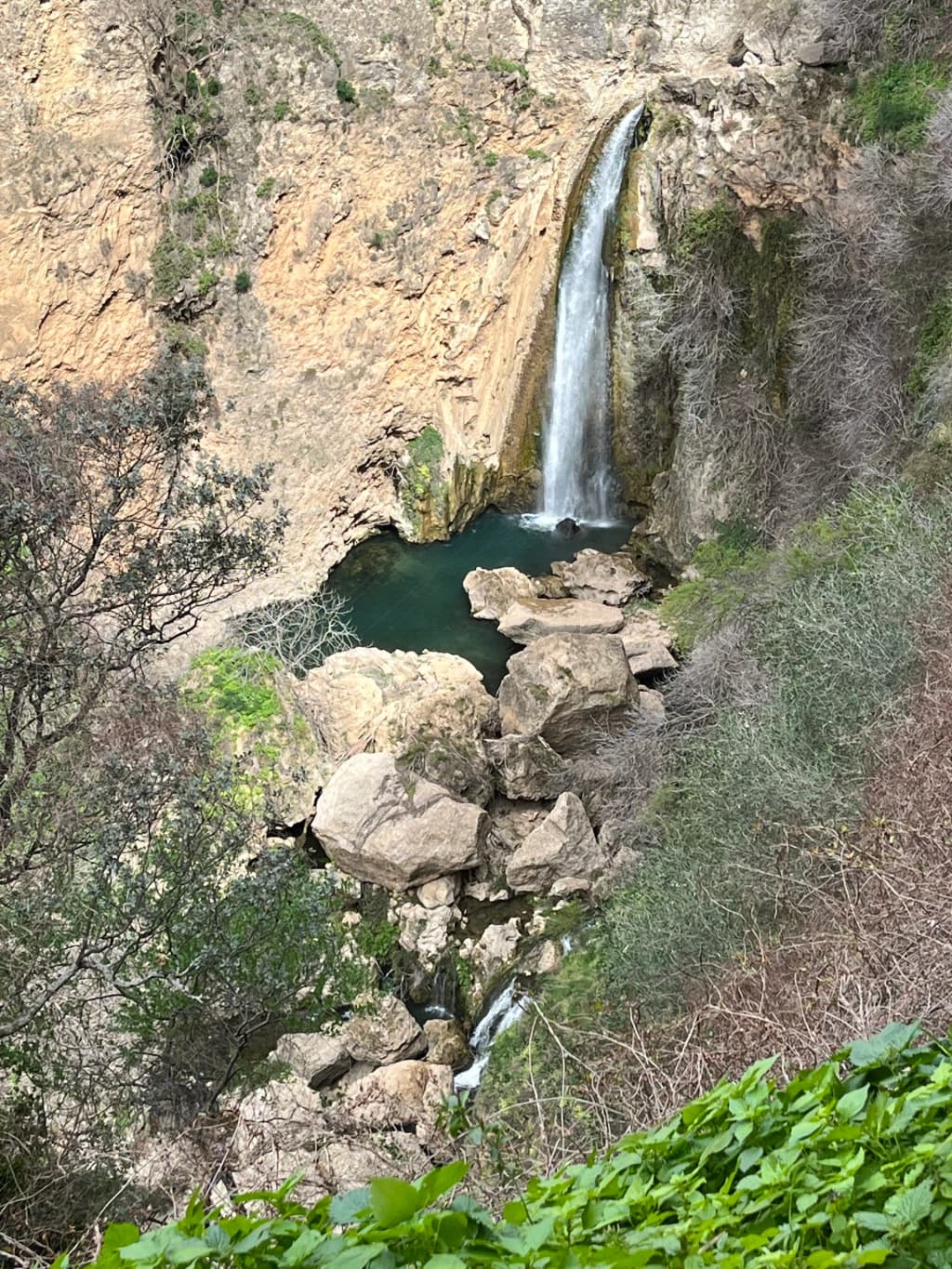
By late afternoon, the light softens, the crowds thin, and the villages settle into their own quiet rhythm. Ronda and Setenil can be seen in a single day, especially if you’re coming from Málaga—an easy day trip, the kind that leaves your feet tired and your head full of images. But I linger, letting the last rays of sun catch on the stone, the white walls glowing gold. The air is cooler now, and the only sound is the distant rush of water in the gorge. I think of the old man on the bridge, of the bartender’s easy smile, of the way the houses cling to the rock as if they’ve always been here. Some places are built to last. Some places, you carry with you long after you’ve gone.
More Photos
More Adventures
 $50 - $120/day 3-5 days
 Chasing Echoes and Gold Dust in Tiradentes, Brazil
Experience Tiradentes, Brazil through a sensory journey of colonial architecture, deep-rooted history, and the rich culinary traditions of Minas Gerais.
 $40 - $120/day 3-5 days
 Shadows and Gold: Walking the Living History of Ouro Preto
Wander the steep cobblestone streets of Ouro Preto, where Baroque masterpieces, subterranean gold mines, and a dynamic culinary scene breathe life into history.
 $50 - $150/day 5-7 days
 Buenos Aires 5-Day Itinerary: Perfect Neighborhood Guide
Plan your perfect Buenos Aires trip with this meticulously organized 5-day neighborhood itinerary. Discover where to stay, costs, and a medieval village.
 $60 - $200/day 4-7 days
 Between the Andes and the Ocean: Unraveling Santiago
Experience the striking contrasts of Santiago, Chile. Discover historic dive bars, the soaring Andes in Cajón del Maipo, and the colorful hills of Valparaíso.