
Sunflowers, Windmills, and Dutch Dreams in Holambra
Lose yourself in Holambra: sunflower fields, Dutch windmills, and flower-scented air. A day of color, flavor, and romance just outside São Paulo.
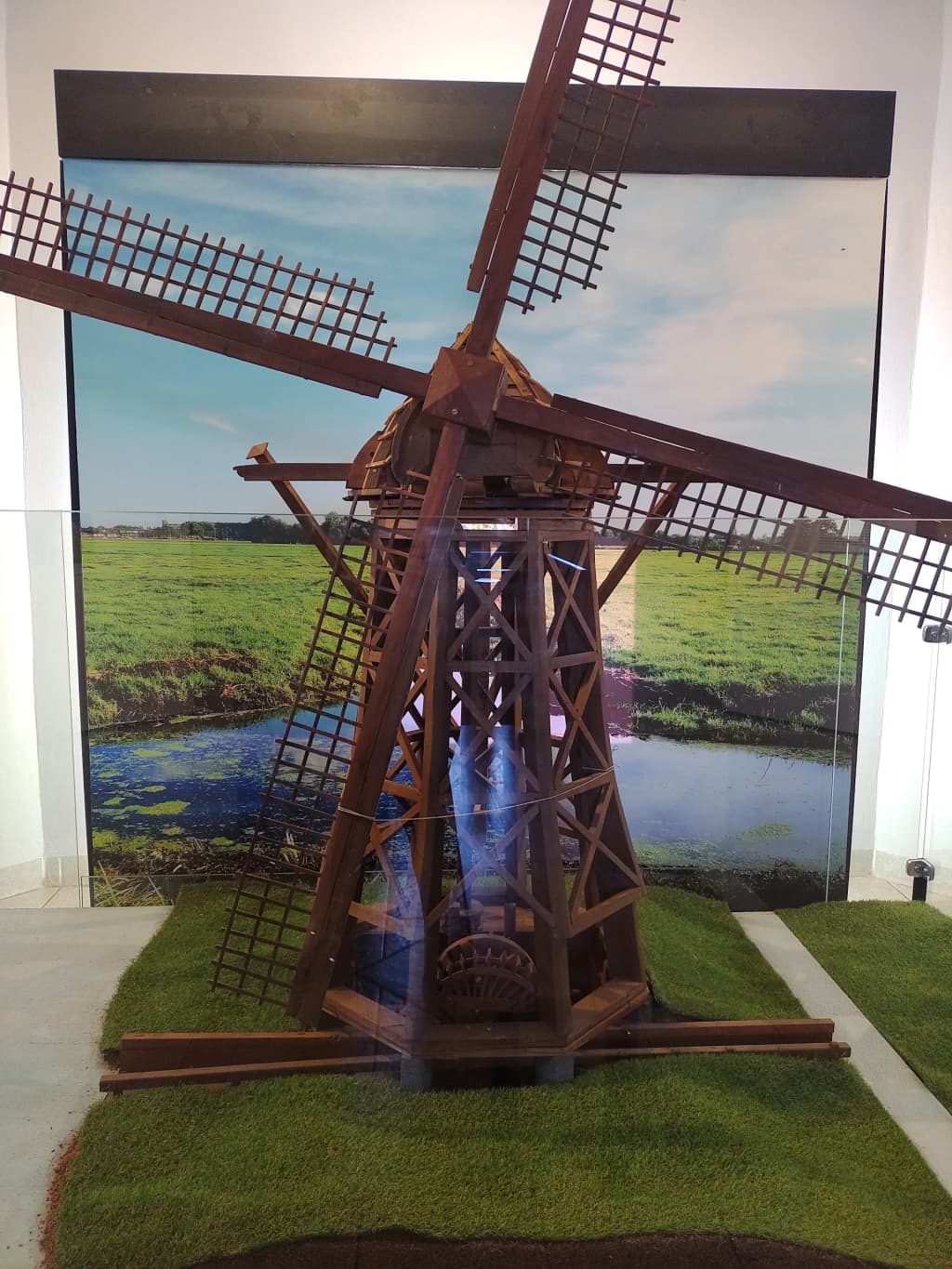
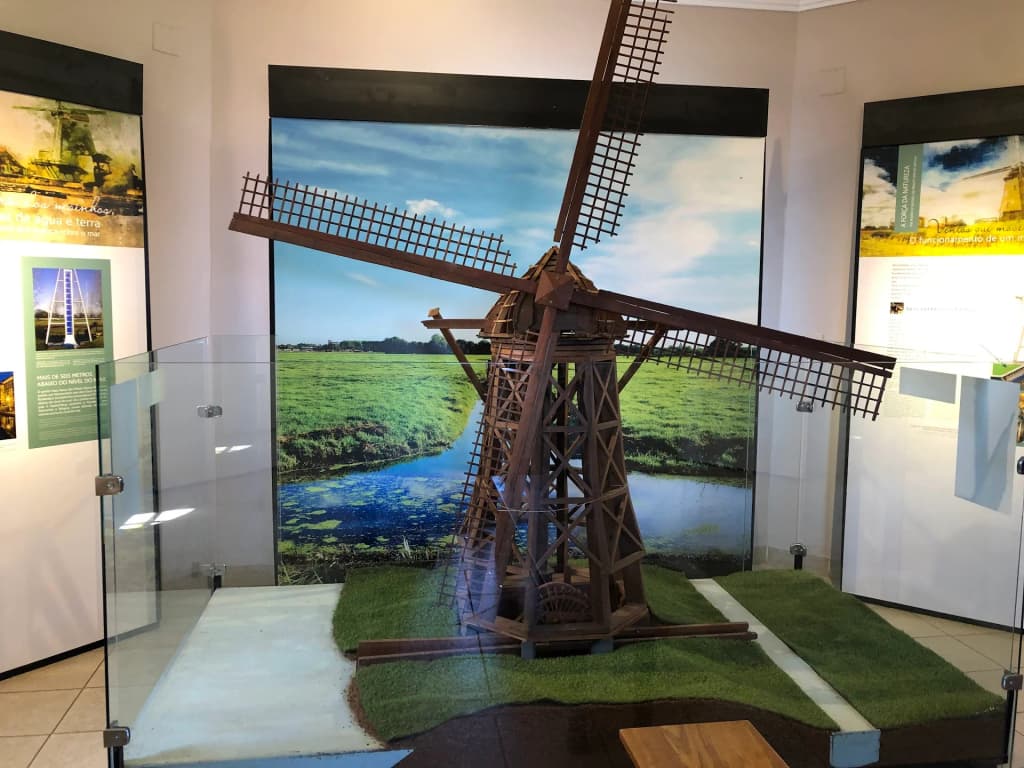
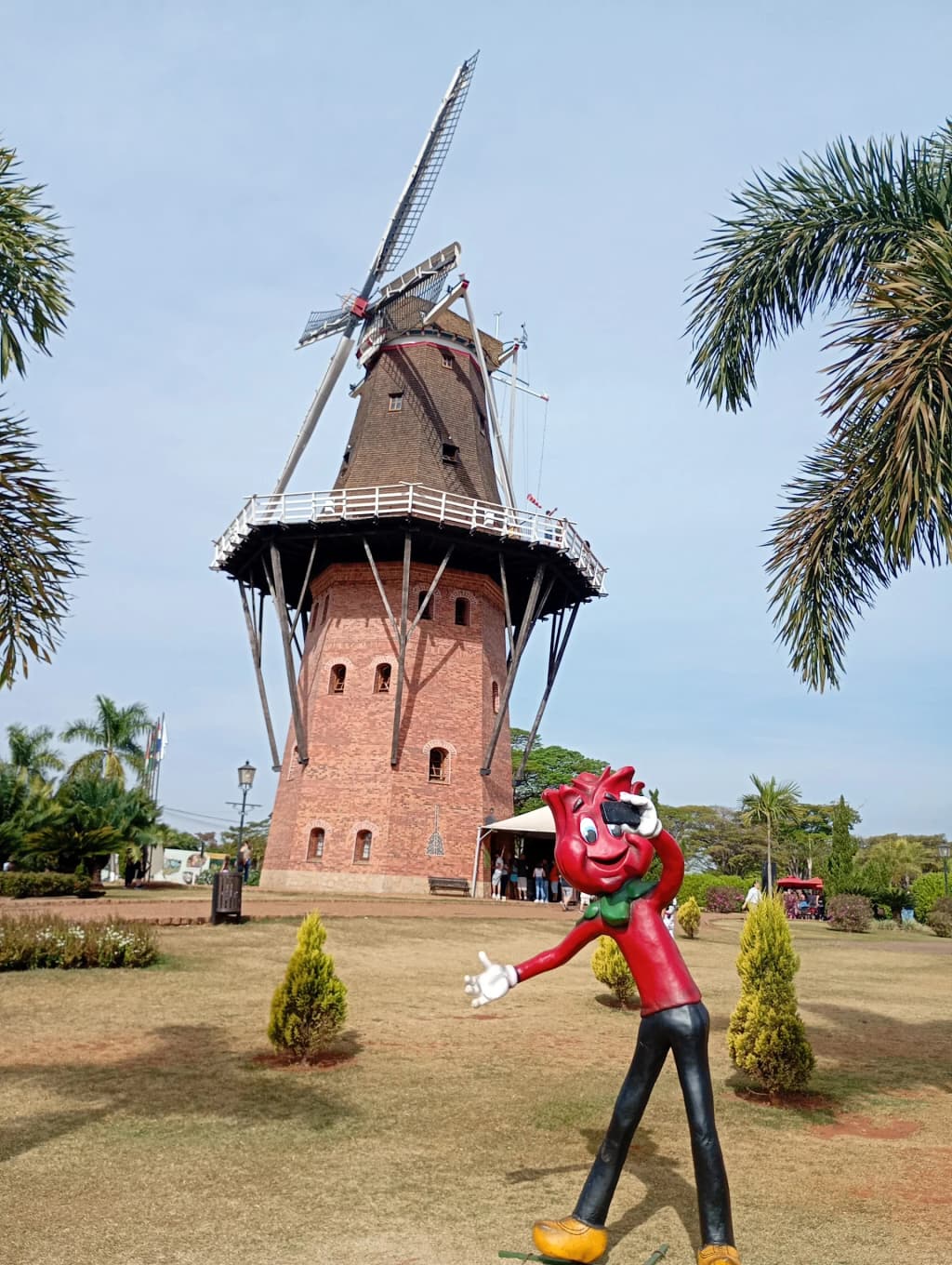
The wind picks up just as I reach the fourth floor, and the great wooden blades of the Moinho Povos Unidos begin to turn. The creak and groan of the gears echo through the narrow stairwell, mingling with the laughter of children below and the distant scent of baking bread. Sunlight slants through the small windows, painting golden stripes across the old wood. I press my hand to the cool, rough wall and listen to the guide’s voice drifting up from below: “It’s the largest windmill in Latin America. Built in 2008, just like in Holland.”
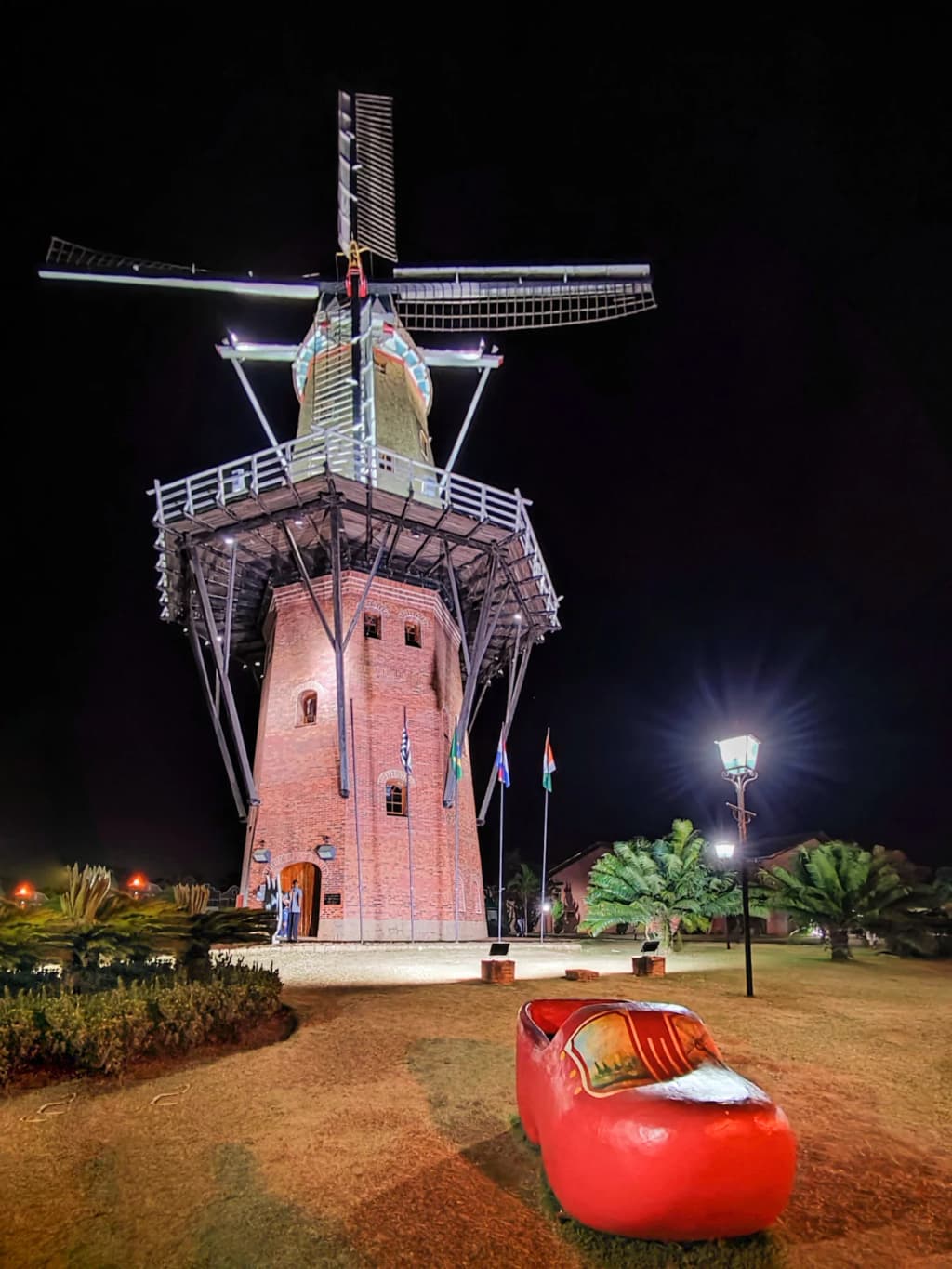
Outside, the air is thick with the perfume of flowers and the faint tang of fresh-cut grass. Holambra is a city that feels like a memory of somewhere else—a patch of the Netherlands stitched into the red earth of Brazil. The streets are lined with tidy houses in pastel colors, their roofs sharp and neat, and everywhere there are bicycles, wooden clogs, and the promise of something blooming just around the corner. I hear a woman call to her son in Portuguese, her words tumbling out quick and bright, and for a moment I forget I am only ninety minutes from São Paulo.
The fields stretch out in every direction, a patchwork of color and light. Sunflowers stand tall and impossibly yellow, their faces turned to the winter sun. I walk between the rows, the earth warm beneath my shoes, sweat prickling at my back despite the season. The air is alive with the hum of bees and the low murmur of other visitors, all of us drawn here by the promise of beauty. A man in a wide-brimmed hat waves me over. “You like sunflowers?” he asks, his accent a blend of Dutch and Brazilian. “We plant new ones every two weeks. Always something to see.”
I nod, unable to stop smiling. The petals brush my arms as I pass, and the scent is green and sweet, tinged with the faintest hint of earth. I snap a photo, but it can’t capture the way the light moves or the way the flowers seem to nod in agreement with the breeze. The farm’s owner tells me the blooms last only ten to fifteen days before they’re replaced, a cycle of renewal that keeps the fields vibrant year-round. Admission is thirty reais, and the wristband lets you return the next day if you can’t bear to leave just yet.
Lavender fields ripple in the wind, a sea of purple under the pale sky. The scent is everywhere—sharp, clean, almost medicinal, but softened by the sun. I close my eyes and breathe it in, letting the calm settle over me. Children dart between the rows, their laughter rising above the buzz of insects. At the edge of the field, a small shop sells potted plants and sachets of dried lavender, the air inside thick with fragrance. “Take some home,” the woman behind the counter urges, pressing a bundle into my hands. “It will remind you of here.”
In the heart of Holambra, umbrellas in every color hang above the street, casting shifting patterns of shade and light on the cobblestones. The boulevard is alive with the clatter of dishes and the low hum of conversation. I slip into a café, the air cool and sweet with the scent of pastries. The waiter grins when I ask for something typical. “Try the stroopwafel,” he suggests, “and maybe a slice of apple pie. Dutch style, of course.”
Later, at The Old Dutch, I sit beneath shelves crowded with Delftware and faded photographs. The menu is a curious blend of Dutch and Brazilian comfort: pork knuckle with sauerkraut, bitterballen, and a cold local beer. The owner, a tall man with a shock of white hair, stops by my table. “We wanted to bring a little of our home here,” he says, gesturing at the wooden shoes by the door. “But Brazil has a way of making everything its own.”
As the sun begins to set, I wander to Van Gogh Park, the sky streaked with orange and violet. The lake glimmers, and the air is cool now, tinged with the scent of roses from the nearby gardens. Couples stroll hand in hand, pausing to watch the koi dart beneath the surface. Somewhere, a child squeals as a rabbit darts from the bushes. The park is free to enter after five, though it closes at six, and I linger by the water, watching the last light fade.
A young woman sits beside me on the low wall. “You’re not from here,” she says, her voice gentle.
“No,” I admit. “But I wish I was.”
She laughs, brushing a strand of hair from her face. “Stay for the night. Holambra is even prettier after dark.”
Night falls softly, and the Boulevard Holandês glows with warm light. Restaurants spill onto the sidewalks, their tables crowded with families, couples, and friends. I find myself at Casabela, drawn in by the sound of live music and the promise of something sweet. The air is thick with the scent of grilled meat and melting cheese, and I order a plate of poffertjes—tiny Dutch pancakes dusted with sugar. At the Deck of Love, couples fasten padlocks to the railings, laughing and whispering promises. I have no lock, but I watch as a man turns to his partner, holding up a folded document. “This binds us better than any lock,” he says, and she laughs, her eyes shining in the lamplight.
The night is gentle, the city small enough to feel like a secret, large enough to hold a thousand stories. I walk back to my guesthouse beneath a sky full of stars, the scent of flowers lingering on my clothes, the memory of sunflowers and windmills bright in my mind. Holambra is a place that invites you to linger, to breathe deep, to fall a little bit in love—with the land, with the light, with the simple joy of being somewhere that feels both foreign and familiar. I promise myself I’ll return, if only to see what blooms next.
More Photos
More Adventures
 $50 - $120/day 3-5 days
 Chasing Echoes and Gold Dust in Tiradentes, Brazil
Experience Tiradentes, Brazil through a sensory journey of colonial architecture, deep-rooted history, and the rich culinary traditions of Minas Gerais.
 $50 - $150/day 1-2 days
 Finding Holland in the Tropics: Two Days in Holambra
Discover Holambra, Brazil's unexpected Dutch enclave. Wander through luminous flower fields, towering windmills, and rich European history in São Paulo state.
 $50 - $120/day 2-3 days
 Earth, Fire, and Lavender: A Sensory Weekend in Cunha
Breathe in the lavender fields, taste alpine mountain beer, and feel the heat of traditional Japanese kilns in the mountain village of Cunha, São Paulo.
 $50 - $150/day 5-10 days
 Finding the Rhythm of Bahia: From Porto Seguro to Trancoso
Experience the sensory magic of Brazil's Costa do Descobrimento, from the chaotic nightlife of Porto Seguro to the barefoot luxury of Trancoso's beaches.