
Salt, Sun, and Coral: Three Days Along Maceió’s Coast
Waves, coral, and color: a sensory journey through Maceió’s beaches, from Gunga’s cliffs to the city’s blue urban shores. Family, food, and adventure await.
The quad bike sputters to life beneath me, a low mechanical growl that vibrates through the sand. Paula’s laughter is nervous, her arms tight around my waist as we lurch forward, the wind already thick with salt and the scent of coconut oil. Ahead, the palm trees lean in, their shadows flickering across the path. The sun is relentless, painting everything in a glaze of gold and white. “You sure you remember how to drive this thing?” she shouts over the engine. I grin, not entirely sure, but the only way is forward.
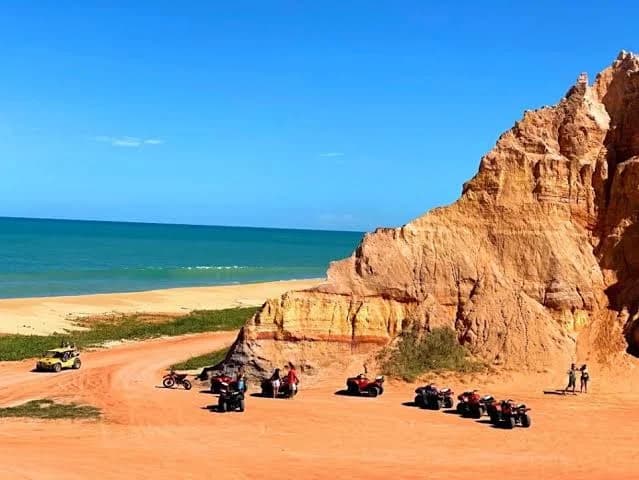
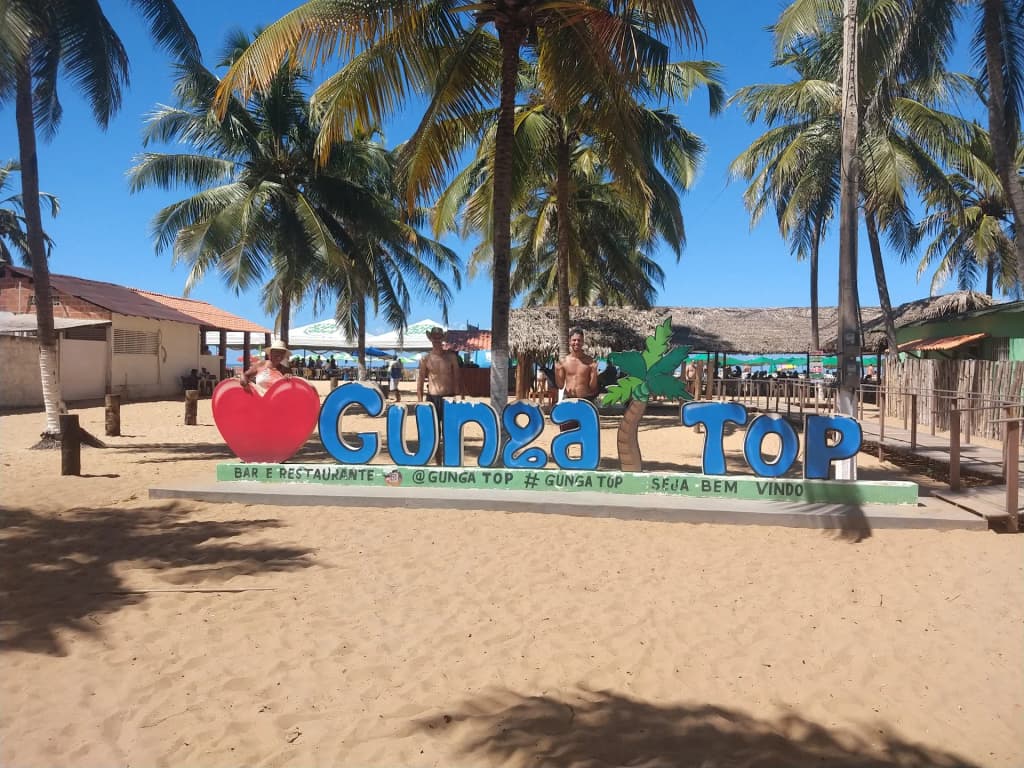
We’re at Praia do Gunga, the most famous beach in Alagoas’ southern stretch, and it’s already alive with the clatter of plates and the hum of families staking out their patch of sand. The beach is a riot of umbrellas, red and yellow and blue, and the air is thick with the aroma of fried fish and garlic. A waiter in a sun-bleached shirt leans over, menu in hand. “For two, the moqueca starts at 140 reais,” he says, eyes flicking to the sea. “But if you want lobster, it’s more.”
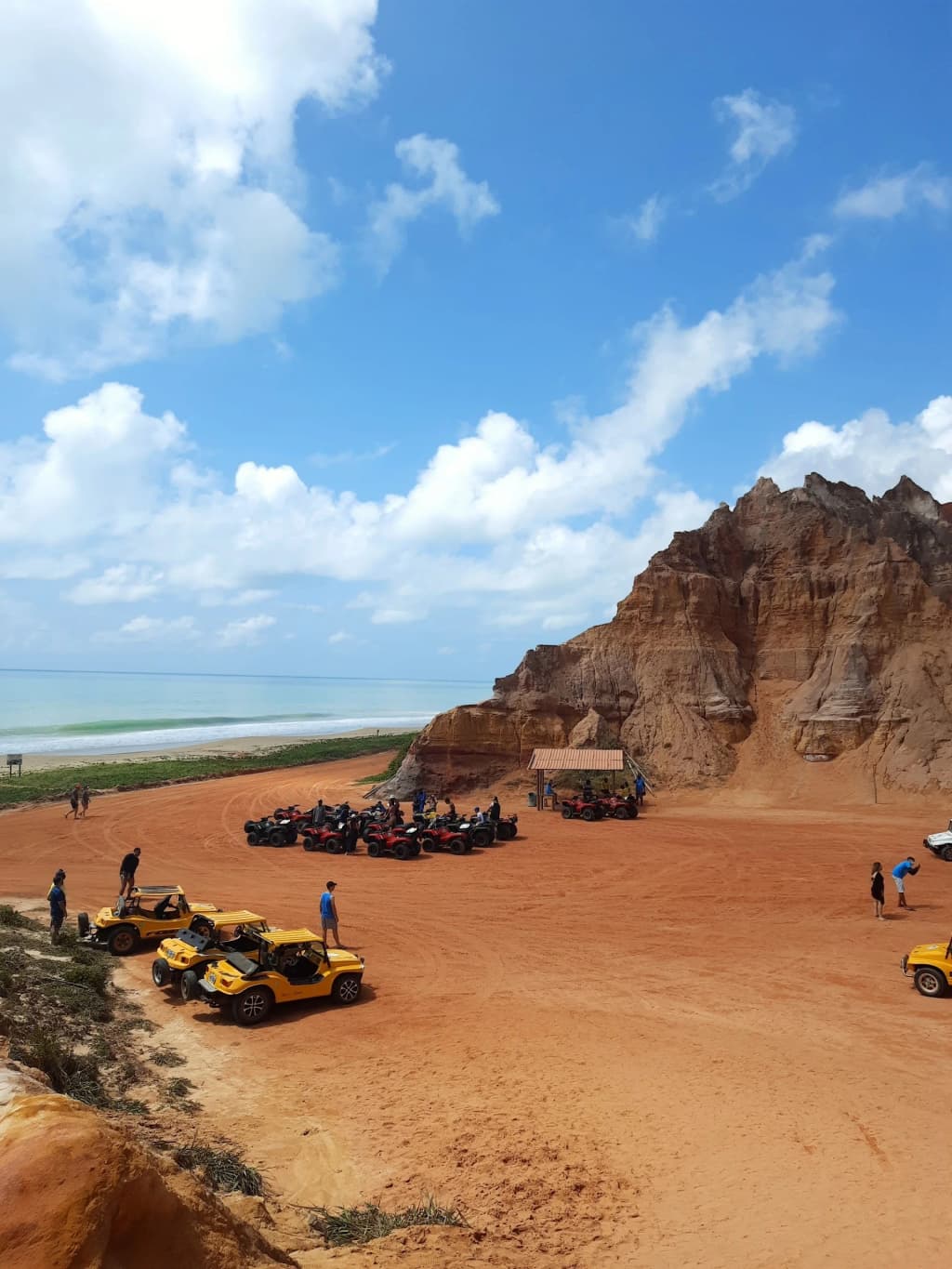
We wander, toes sinking into the hot sand, past the rows of barracas and the laughter of children. Parking was five reais, cash only, and the quad bike tour—fifty for two—also demanded a fistful of notes. No cards, no Pix, just the old way. The ride is short but wild, the path winding through coconut groves until the cliffs—falesias—rise up, red and ochre against the sky. We have only minutes here, just enough to snap a photo, breathe in the mineral tang of earth and sea, and wish for more time. “It’s always too quick,” Paula says, brushing sand from her legs. “But look at this.”
The final stop is Lagoa Doce, a lagoon cupped between the cliffs. The water is so warm it startles, like slipping into a bath left too long in the sun. I float, eyes closed, the world muffled and slow. The heat presses in, but the breeze off the quad bike lingers on my skin. “You have to try it,” a local calls, waving from the shore. “It’s hotter than the beach!”
Back on the road, the landscape blurs—sugarcane fields, sleepy towns, the promise of more blue ahead. Barra de São Miguel is quieter, the kind of place where the sea hushes against the sand and the reef keeps the waves at bay. The water is impossibly clear, a turquoise so bright it feels unreal. I wade in, the coolness a relief, and watch as families float in the natural pools, laughter echoing across the shallows.
Praia do Francês is next, its name a relic of old contraband and French sailors. The wind is softer today, the sea less wild than I remember. “You didn’t like it last time,” Paula teases, but I shake my head, watching the sunlight dance on the water. Sometimes a place needs a second chance. The beach is lined with pousadas and restaurants, the smell of grilled shrimp drifting on the breeze. I order a coconut, cold and sweet, and let the afternoon drift by.
Morning in Maceió is a slow unfurling of light over the city’s urban beaches. Jatiuca, Ponta Verde, Pajussara—each with its own rhythm, but all sharing the same impossible blue. The city hums just behind us, cars and buses and the distant clang of construction, but here the sand is soft and the sea is calm. Locals jog past, their feet kicking up little clouds, and vendors call out, “Coco gelado! Ice-cold coconut!”
Jatiuca is the heart of Maceió’s food scene, the Avenida Dr. Antônio Gomes de Barros lined with bars and restaurants. We slip into a shaded patio, the clink of glasses and the sizzle of garlic shrimp filling the air. “Try the sururu,” the waiter suggests, setting down a steaming bowl. The broth is briny, rich with coconut milk and herbs, and I mop it up with hunks of bread, the flavors lingering long after the last bite.
Ponta Verde is where the city’s postcard comes to life. The lighthouse stands sentinel, white against the blue, and when the tide is low you can walk right out to it, the coral crunching underfoot. Today the sea is high, so we watch from the shore, the water so clear you can see the shadows of fish darting between the rocks. Statues of local heroes—Graciliano Ramos, Aurélio Buarque de Holanda—stand watch along the promenade, their bronze faces turned to the sea.
At Pajussara, jangadas bob in the shallows, waiting to ferry visitors to the natural pools. We skip the ride, saving it for another day, and instead wander through the craft market, fingers trailing over bright woven baskets and carved wood. The air is thick with the scent of leather and sweet coconut candy. “For your family,” the vendor says, pressing a tiny painted boat into my hand. I nod, thinking of home.
North of the city, the beaches stretch out, wilder and less tamed. At Ipioca, the sand is wide and nearly empty, the sea a shifting palette of blue and green. The Ibiscos Beach Club is buzzing, but we find a quiet corner, just us and the sound of the waves. The day pass is seventy reais, but the best things here are free—the hush, the space, the endless sky.
Lunch is at Paripueira, where the water is gentle and the sand warm beneath our feet. We linger, reluctant to leave, the taste of grilled fish and lime still on our tongues. The final stop is Carro Quebrado, a beach named for a long-lost car and famous for its cliffs. The mirante—thirty reais per car—offers a view that stuns: orange cliffs, blue sea, the horizon stretching forever. We skip the deck, content to sit in the shade of a falesia, the world quiet except for the crash of waves and the distant call of gulls.
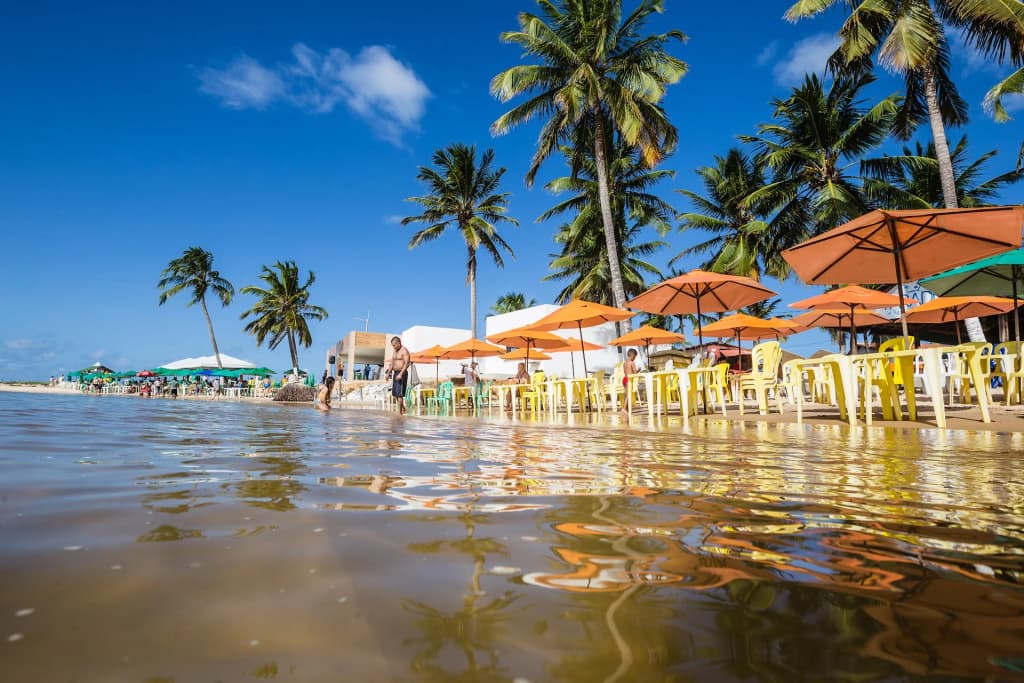
A local sits nearby, peeling a mango with a pocketknife. “You’re not from here,” he says, not unkindly. “No,” I reply, “but I wish I was.” He laughs, offering a slice. “Then stay. There’s always more to see.”
Evening falls, the sky bruised purple and pink, and the city lights flicker on along the orla. I think of all the colors I’ve seen—red cliffs, blue water, green palms—and the taste of salt on my lips. Maceió is a place that lingers, a place that asks you to slow down, to look again, to let the sun and the sea do their quiet work. I watch the last light fade and promise myself I’ll return, if only to see what I missed the first time.
More Photos
More Adventures
 $40 - $80/day 2-4 days
 Boa Vista: Exploring the Amazon's Fan-Shaped Frontier City
Experience the unexpected beauty of Boa Vista, Roraima. Discover Macuxi indigenous crafts, the unique Lavrado biome, and sunset boat tours on the Rio Branco.
 $50 - $120/day 3-5 days
 Chasing Echoes and Gold Dust in Tiradentes, Brazil
Experience Tiradentes, Brazil through a sensory journey of colonial architecture, deep-rooted history, and the rich culinary traditions of Minas Gerais.
 $50 - $150/day 1-2 days
 Conquer the Serra Verde Express: Brazil's Wildest Train
Ditch the tourist traps and ride the Serra Verde Express from Curitiba to Morretes. Discover ticket tips, seating secrets, and the best Barreado.
 $40 - $80/day 4-6 days
 Forget the Beaches: Why Curitiba is Brazil's Ultimate Adventure
Skip the crowded tourist traps. Discover Curitiba, Brazil's green capital, featuring gravity-defying architecture, epic train rides, and budget thrills.