
Tokyo in Motion: Sakura, Subways, and Shibuya’s Pulse
Step into Tokyo’s living mosaic: from Shibuya’s electric crossings to sakura picnics, ramen queues, and the quiet magic of everyday life in Japan.
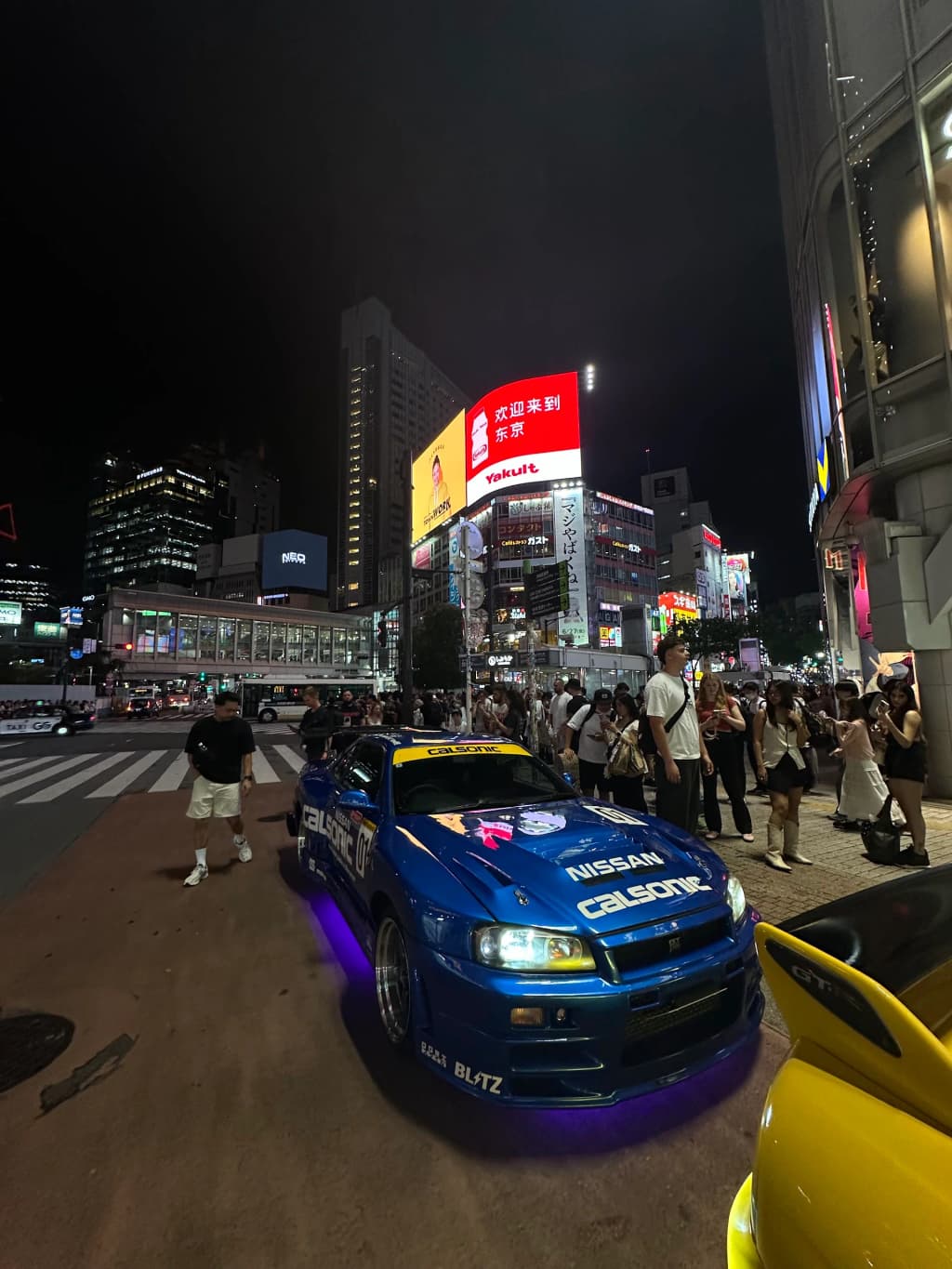
The air is thick with the scent of rain on concrete and the faint sweetness of sakura petals. My glasses fog as I step out of the metro, the world blurring into a neon watercolor. Shibuya Crossing pulses ahead—an ocean of umbrellas, school uniforms, and the occasional Pikachu onesie. The light changes. A thousand people surge forward, each step choreographed, no collisions, just a silent, collective ballet. Somewhere, a Freddie Mercury lookalike struts past a couple in wedding kimono, their photographer darting between the crowd, searching for that perfect, fleeting frame.
The city hums beneath my feet. Tokyo’s metro is a world unto itself—orderly, relentless, and oddly soothing. I tap my Suica card, lungs filling with the metallic tang of underground air, and descend into the labyrinth. The platform is a study in patience: commuters line up on painted marks, eyes down, phones on silent. A man in a crisp suit, Rolex glinting, stands beside a teenager in platform boots and bubblegum-pink hair. The train arrives, doors sliding open with a sigh. The oshiya, gloved and impassive, nudges the last stragglers inside. Silence falls. No one speaks. Some sleep, heads bobbing gently with the rhythm of the tracks. I watch the city flicker by through the window, each station a new world—Ginza’s polished glass, Harajuku’s riot of color, the quiet dignity of Ueno.
Outside, the rain has stopped. The city is impossibly clean, as if scrubbed by invisible hands. There are no trash cans, yet no litter. People carry their waste, tucking it away until they find a place to dispose of it. Even the dogs—dressed in Chanel and Gucci, pink bows and tiny raincoats—seem to know their place in this intricate social dance. In Tokyo, there are more pets than children, and the pet hotels are grander than most apartments. I pass a dog café, the line snaking down the block. Inside, laughter and the soft thump of tails against polished floors. A woman in a yellow raincoat leans down, offering her hand to a Shiba Inu. “He likes you,” she says, her English careful but warm. “You should come inside. It’s good therapy.”
I smile, tempted, but the scent of something savory pulls me onward. Ramen. The queue outside the shop is a living thing, winding around the corner, umbrellas bobbing. I join the end, shuffling forward as the minutes tick by. A vending machine glows at the entrance—press a button, insert coins, receive a ticket. Inside, the air is thick with steam and the sharp tang of soy. I wait again, watching the red lights on the seating board flicker. When my turn comes, I slide onto a stool, the counter slick beneath my fingers. The bowl arrives—broth shimmering, noodles coiled like secrets. I slurp, the heat blooming in my chest, and for a moment, the world narrows to this: salt, umami, the low hum of conversation, the rain tapping at the window.
Spring in Tokyo is a brief, intoxicating fever. Sakura season. I time my visit to catch the bloom, and the city rewards me with a riot of pink and white. Hanami—flower viewing—is a national ritual, a pause in the relentless march of work. In Shinjuku Gyoen, the line to enter is a river of anticipation, umbrellas and picnic baskets, children darting between legs. Inside, the park is a dreamscape: over 1,500 cherry trees, petals drifting like snow. Families spread blue tarps beneath the branches, shoes lined up neatly at the edge. Laughter, clinking glasses, the faint strum of a guitar. I sit with a group of students, their English halting but eager.
“Do you like hanami?” one asks, offering me a can of green tea, still warm from a vending machine.
“I love it,” I say, watching the petals fall. “It feels like the whole city is breathing together.”
He grins. “It’s short. Only one week. That’s why it’s special.”
The sun breaks through, and for a moment, everything glows—petals, faces, the city itself. I want to write a haiku, but the words slip away, lost in the breeze.
Evenings bring a different magic. In Odaiba, I wait forty minutes to enter Borderless, a digital art museum where light and sound spill across walls and floors, dissolving the boundaries between visitor and artwork. Each room is a universe—projectors painting flowers that bloom beneath your feet, waterfalls that part as you walk. I lose myself for hours, wandering from one glowing chamber to the next, the outside world forgotten.
Later, I meet Masha, a friend of a friend, in her apartment—a single room, $1,800 a month, no central heating but a bath that talks and keeps the water warm for hours. She laughs, showing me a children’s book about cats. “Everyone here loves animals,” she says, “sometimes more than people.”
We talk late into the night, the city lights flickering through the window, the hum of Tokyo never quite fading. I think of the people sleeping on the metro, the endless queues, the quiet pride in small rituals—lining up shoes, carrying trash, pausing for sakura. There is a softness here, beneath the neon and the crowds, a sense of care that threads through everything.
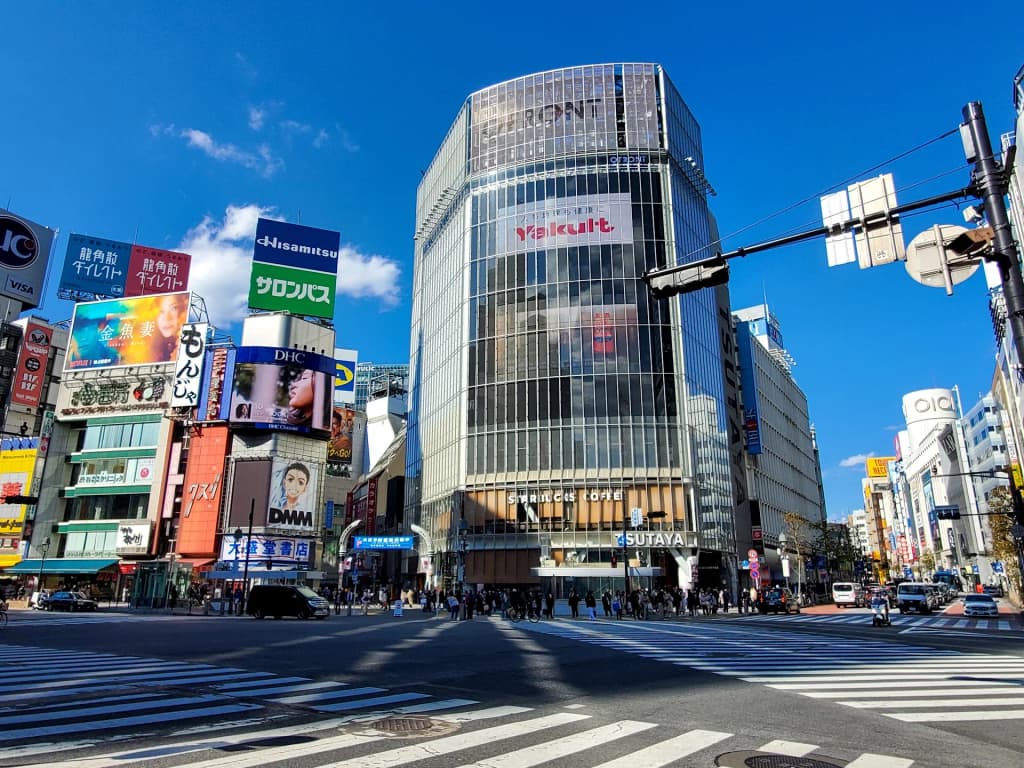
On my last morning, I walk Shibuya one more time. The city is waking—shopkeepers sweeping stoops, the first trains rumbling below, a salaryman pausing to photograph a stray cat. The air is cool, tinged with the promise of rain. I stand at the crossing, waiting for the light, and feel the city’s pulse in my chest. Tokyo is a place of contradictions—order and chaos, tradition and invention, solitude and togetherness. Each visit is a return and a beginning, a reminder that even in the world’s busiest city, there is always space for wonder, and always something new to find.
More Photos
More Adventures
 $50 - $150/day 5-10 days
 Finding the Rhythm of Bahia: From Porto Seguro to Trancoso
Experience the sensory magic of Brazil's Costa do Descobrimento, from the chaotic nightlife of Porto Seguro to the barefoot luxury of Trancoso's beaches.
 $50 - $120/day 4-7 days
 Sensory Buenos Aires: Smoke, Stone, and Neon Lights
Immerse yourself in Buenos Aires. Experience the contrasts from the smoky grills of San Telmo to the neon-drenched pizzerias of Avenida Corrientes.
 $100 - $250/day 2-4 days
 A Journey to Campos do Jordão: Finding Brazil's Alpine Soul
Experience the mountain culture of Campos do Jordão, Brazil's highest city. Discover cherry blossoms, historic railways, and cozy alpine gastronomy.
 $40 - $80/day 2-4 days
 Boa Vista: Exploring the Amazon's Fan-Shaped Frontier City
Experience the unexpected beauty of Boa Vista, Roraima. Discover Macuxi indigenous crafts, the unique Lavrado biome, and sunset boat tours on the Rio Branco.