
At the Edge of the Map: Tasting Ushuaia's Deep Sea Secrets
Discover the unexpected culinary treasures of Ushuaia, Argentina. Taste deep-sea Patagonian toothfish, historic scallop soup, and artisanal chocolates.
The smell of old wood, sea salt, and a rich, buttery broth wraps around me the moment I push through the heavy doors. The wind off the Beagle Channel has been howling all morning, rattling the glass panes, but inside Ramos Generales, the air is thick and warm. The heavy wooden doors require a firm push, opening right at noon just as the lunch crowd starts to gather. This place used to be an old general store, and it feels as though the dust of the early twentieth century has been lovingly preserved on the antique artifacts lining the walls. I sit at a battered wooden table, wrapping my half-frozen hands around a steaming bowl of scallop soup. The broth is a revelation—briny, sweet, laced with cream and a hint of white pepper that catches the back of my throat. The ten dollars or so I'll spend on this meal feels inconsequential once I'm inside. If you think eating in Argentina means a relentless parade of breaded milanesas and grilled beef, you are right about the mainland. But down here in Ushuaia, at the very edge of the map, the ocean dictates the menu.
Stepping back out onto the street, the cold immediately bites at my cheeks. The city center of Ushuaia is a patchwork of colorful rooftops set against the jagged, snow-dusted teeth of the Martial Mountains. Walking these steep streets, you hear the crunch of gravel, the distant hum of ship engines from the port, and the low murmur of Spanish spoken in a hurried, wind-chilled cadence. I pull my collar up, leaning into the gusts.
It is in this rugged, unforgiving environment that I discover what might be the greatest seafood of my life. They call it Merluza Negra, or Patagonian toothfish. It is a deep-water phantom, rare and notoriously difficult to catch, dwelling in the icy, high-pressure depths of the southern oceans. Finding it on a menu elsewhere is a luxury; eating it here is a communion with the landscape.
My first encounter with it is at the restaurant in the Los Acebos hotel, where it arrives roasted alongside winter vegetables, flaking at the mere suggestion of a fork. But it is later, inside the rustic, nautical dining room of a traditional institution called Volver, that the fish truly stops me in my tracks.
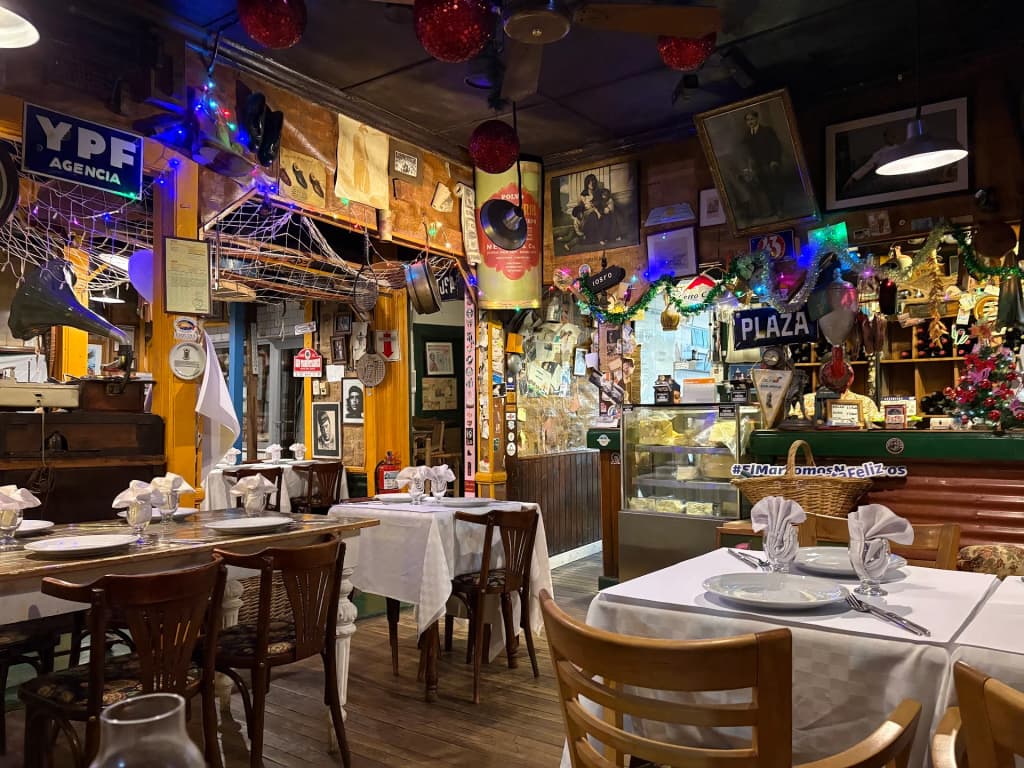
Securing a table at Volver usually requires calling a day ahead, but tonight I am lucky to find a single seat at the bar.
"It lives deep," the waiter tells me, setting a slate plate on the wooden counter just as the evening dinner rush begins to fill the room. The dish is called tiraditos—thin, translucent slices of the toothfish, served raw and lightly smoked. "Down in the icy dark. That's why the fat is so rich. It needs it to survive."
"I've never tasted anything like it," I say, watching the light catch the glossy surface of the fish.
He nods, a proud smile crinkling the corners of his eyes. "Welcome to the end of the world."
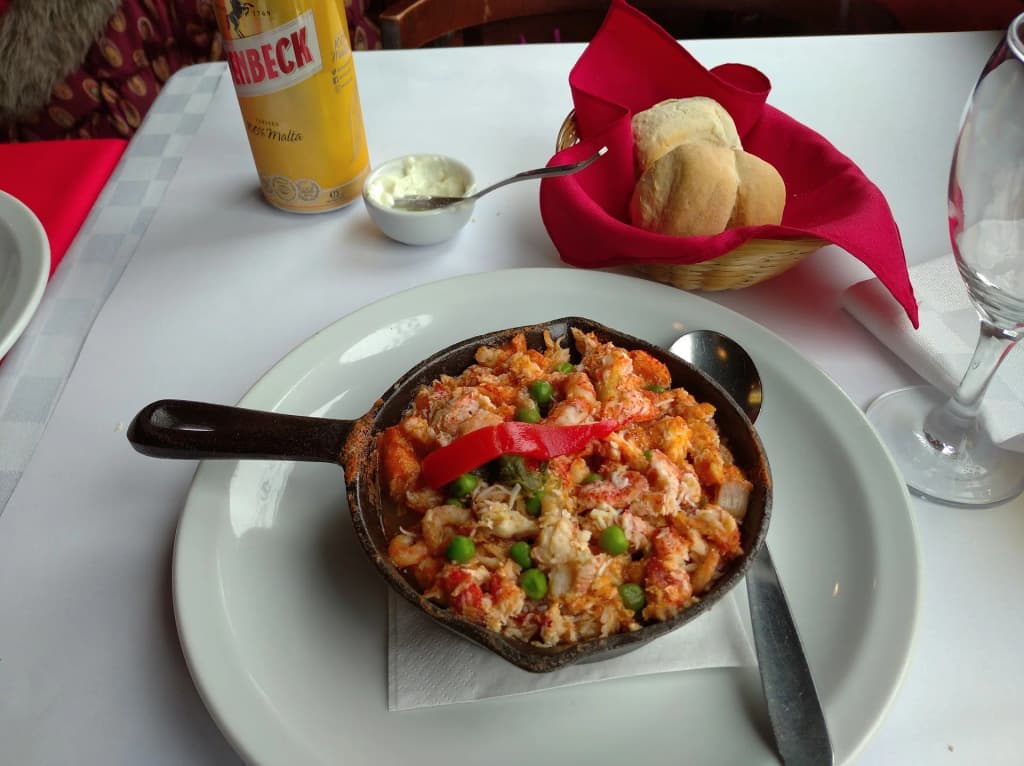
He isn't exaggerating. I place a slice on my tongue, and it practically melts, releasing a delicate smokiness intertwined with the pure, clean taste of the frozen sea. It is buttery, almost sweet, with a texture so luxurious it makes standard sashimi feel pedestrian. Volver is also famous for its centolla, the giant Patagonian king crab, which arrives at neighboring tables in massive, spiky crimson shells, smelling of iodine and ocean spray.
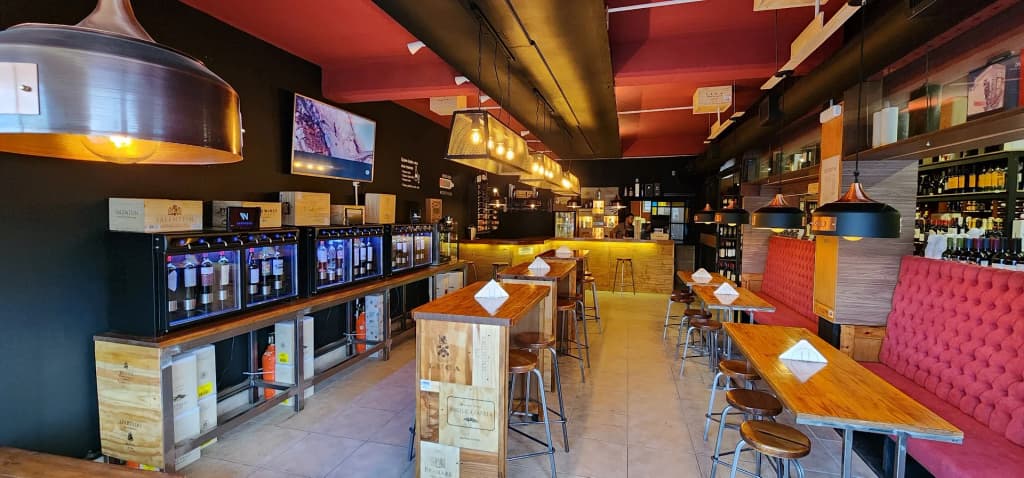
No meal in Argentina, regardless of latitude, is complete without the ruby glint of wine. In a dimly lit tasting room nearby, the clinking of glasses cuts through the quiet evening. We dive into a Patagonian wine tasting, exploring the high-altitude, cold-climate vintages of the deep south. The guide pours a Pinot Noir that smells of damp earth and crushed red berries. The tannins are soft, the acidity bright enough to cut through the rich fat of the Merluza Negra. It is a masterclass in regional terroir, proving that the harsh extremes of Patagonia produce flavors of startling elegance.
Yet, the mainland's culinary legacy still echoes down here. At a family-run ranch just outside the city limits, I find the familiar comfort of the traditional Argentine asado. The smell of woodsmoke and rendering fat fills the air long before the meat hits the table. Sizzling cuts of bife de chorizo and ribeye arrive cooked to a flawless medium-rare, heavily crusted with coarse salt and accompanied by the garlicky, herbaceous bite of fresh chimichurri. Sitting in the rustic farmhouse, listening to the crackle of the fire, I feel entirely at home.
This duality of Argentine food—the rugged meats and the delicate seafood—reminds me of a brief detour I took through Buenos Aires before flying south. I had wandered into a classic grill called Fervor, expecting impeccable steaks, which I found. But what anchored itself in my memory was a dessert I had never encountered before: the Rogel.
Even now, sitting in the biting cold of Ushuaia, I can still feel the texture of it. The Rogel is a structural masterpiece of thin, crispy pastry layers, stacked high and cemented together with thick, impossibly sweet Argentine dulce de leche. On top sits a towering crown of Italian meringue, torched to a golden brown. The crunch of the pastry giving way to the sticky caramel and the marshmallow-soft meringue is a sensory triumph. It instantly dethroned the beloved alfajor as my favorite Argentine sweet.
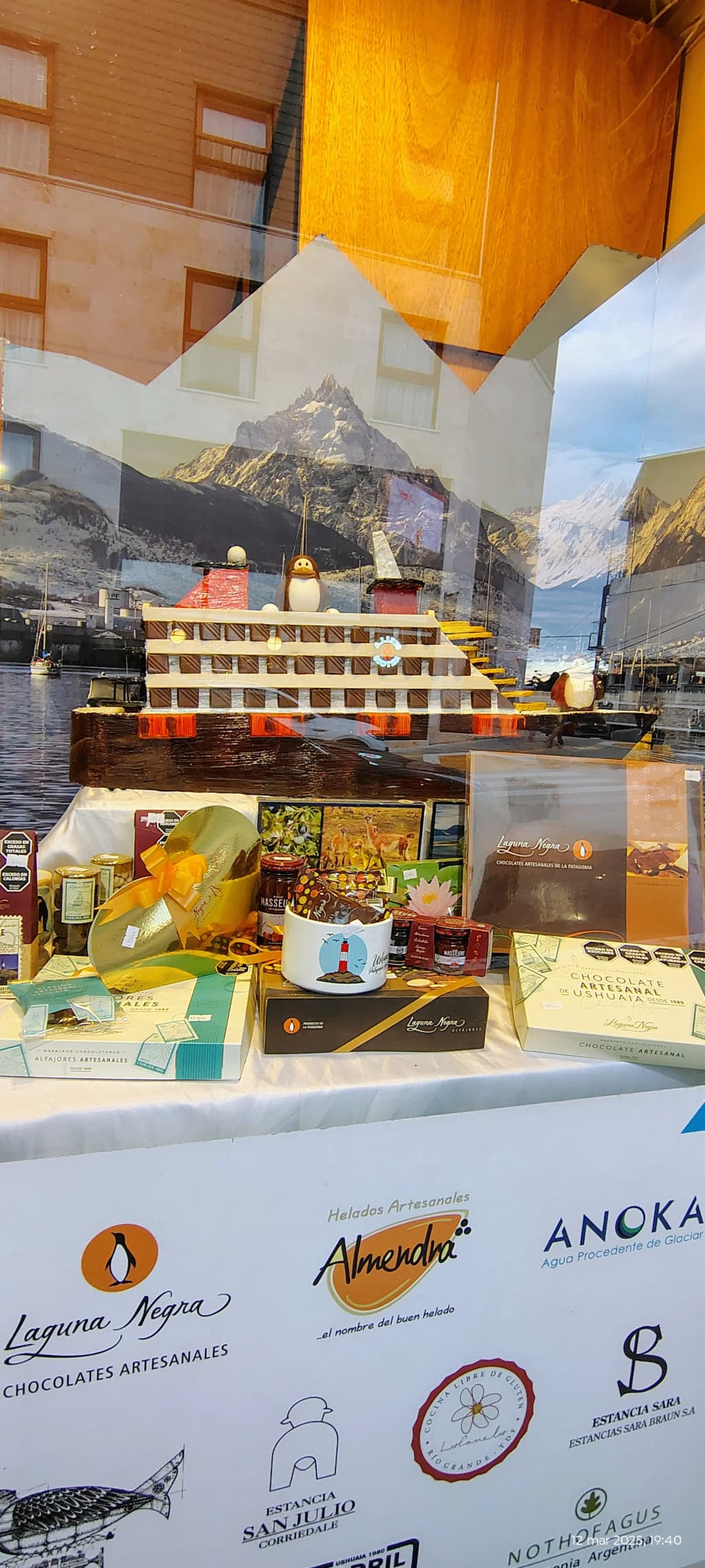
But Ushuaia has its own remedies for the sweet tooth, necessitated by the freezing temperatures. On my final afternoon, I seek refuge in Moala, a tiny, artisanal chocolateria situated right in the city center. The shop is a sensory embrace. The air is heavy with the dark, bitter aroma of roasted cacao and warm vanilla. I order a selection of truffles, each one a small, dense bomb of flavor melting slowly against the roof of my mouth.
I step back out onto the street, a small box of chocolates in my pocket, pulling my scarf tight against the wind. The sky over the Beagle Channel is turning a bruised purple, the mountains fading into silhouettes. Ushuaia is a place that forces you to feel everything intensely—the freezing wind, the dramatic peaks, the isolation. But it is on the plate that this extremity truly makes sense. When you live at the edge of the map, every meal is a warm fire in the dark, a quiet victory over the cold.
More Photos
More Adventures
 $100 - $250/day 5-7 days
 A Summer Road Trip Through Bariloche and the Seven Lakes
Trade snow for crystal lakes and winding mountain roads on a summer road trip through Bariloche and Villa La Angostura in Argentine Patagonia.
 $150 - $300/day 3-5 days
 Shattered Ice and Woodsmoke: An Immersive Journey Through El Calafate
Step onto the ancient, groaning ice of the Perito Moreno glacier and into the warm, woodsmoke-filled parrilladas of El Calafate in this sensory Patagonian journey.
 $100 - $250/day 3-5 days
 A Handheld Feast: Walking the Cobblestones of Edinburgh
Explore the sensory magic of Edinburgh. From handheld meat pies to cask-strength whisky, discover the warmth and history of Scotland's stunning capital.
 $600 - $2500/day 4-7 days
 Chasing the Wind and Luxury in St. Barts
Experience the striking contrasts of St. Barts. This narrative guide takes you from the wild hikes of Colombier to the uncompromising luxury of Gustavia.